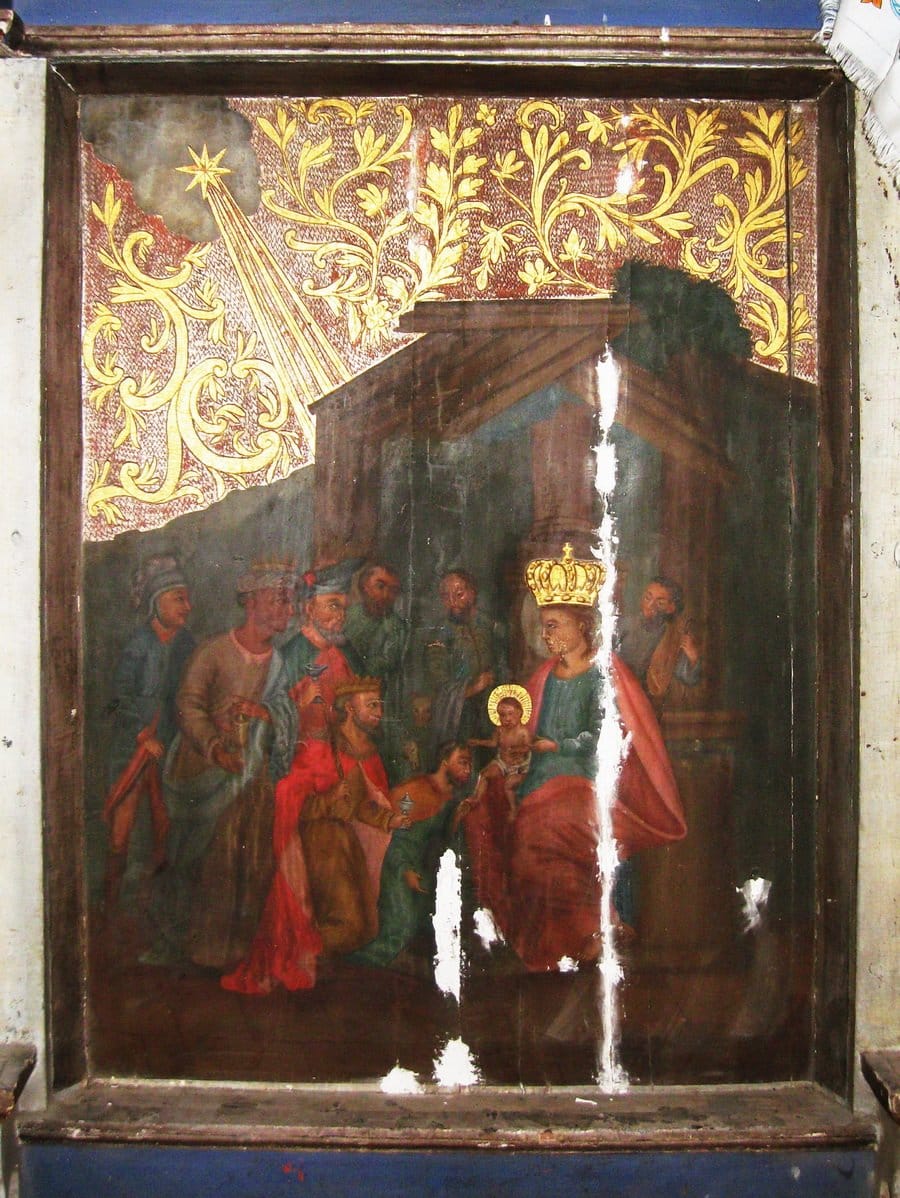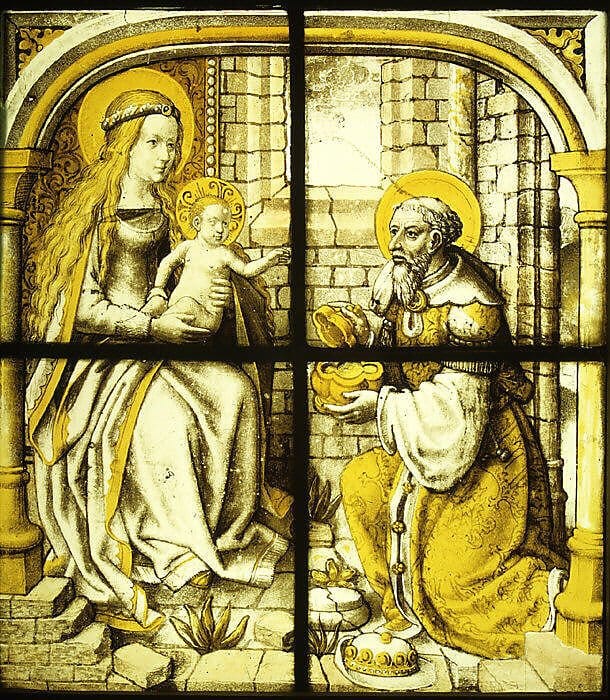
The Adoration of the Magi (1510-1515) - Public Domain Catholic Stock Photo
Stained glass panel of colorless glass with vitreous paint and silver stain, made in Cologne, Germany. It measures 39.1 x 34.6 cm (15 3/8 x 13 5/8 in.).

This site's editor-in-chief is a Catholic husband, father, and author. He loves sharing the Catholic faith through art and graphic design. Check out his prayer books and coloring books on Amazon.com
Stained glass panel of colorless glass with vitreous paint and silver stain, made in Cologne, Germany. It measures 39.1 x 34.6 cm (15 3/8 x 13 5/8 in.).
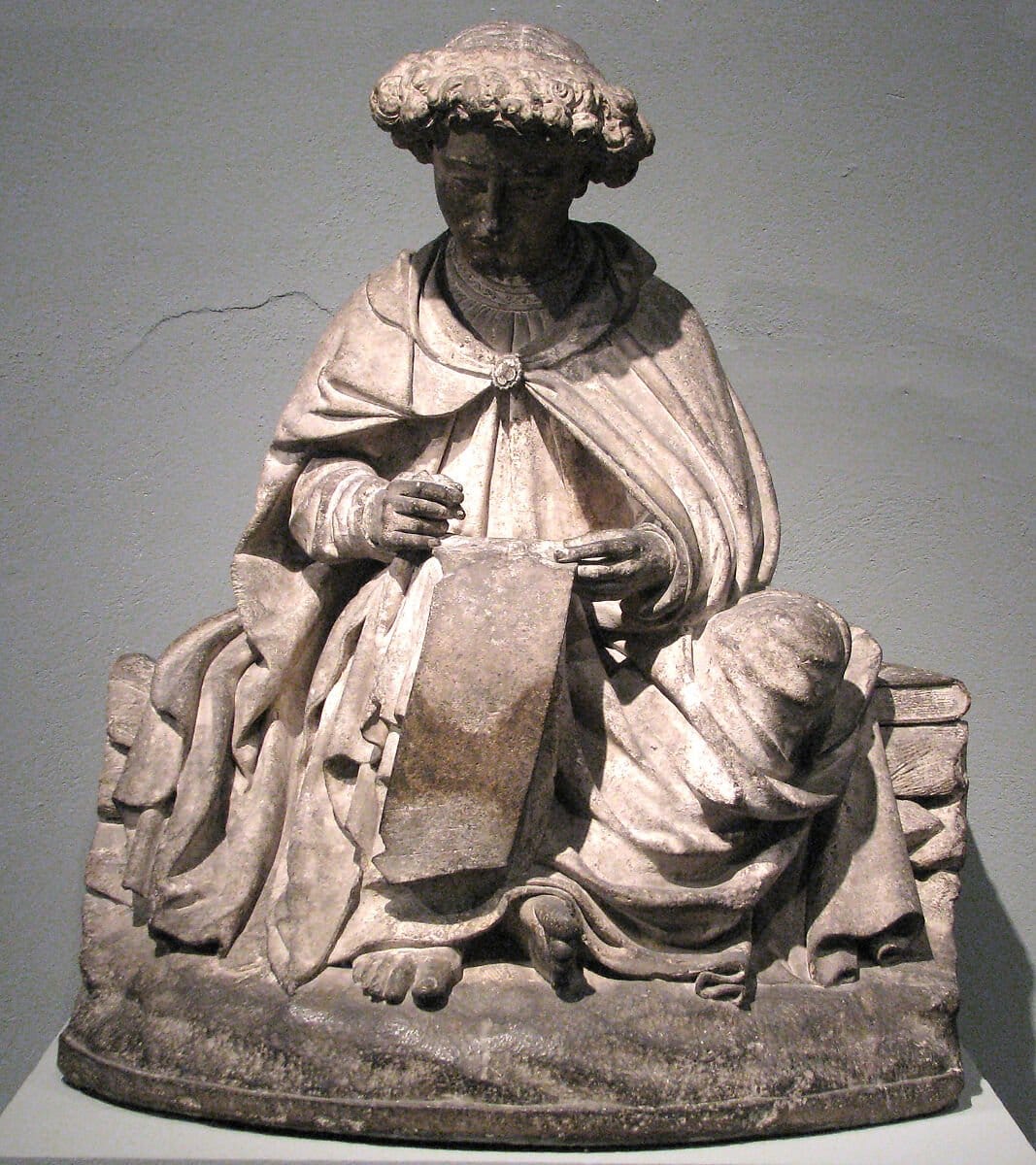
Writing on a long scroll, the youthful saint records divinely inspired revelations. Due to his youthfulness, he probably represents Saint John, who, in addition to his own Gospel, was believed to have written the Apocalypse (Book of Revelation) while living in exile on the Greek Island of Patmos.
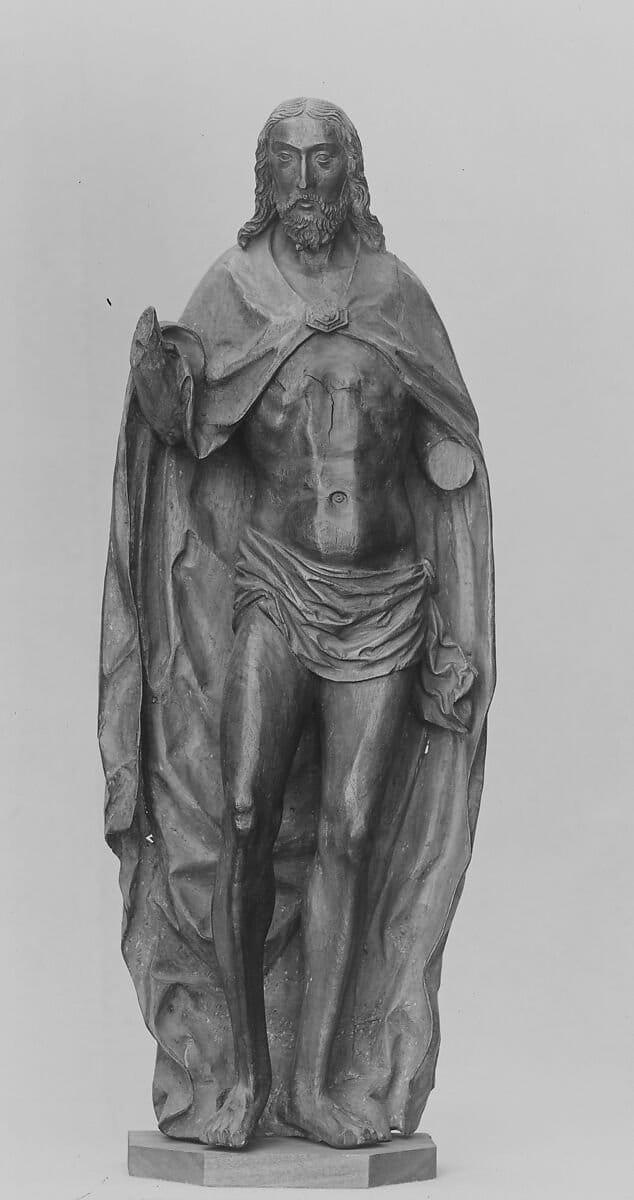
Oak wall statue of the risen Christ. It is 69.2 cm (27 1/4 in.) tall.
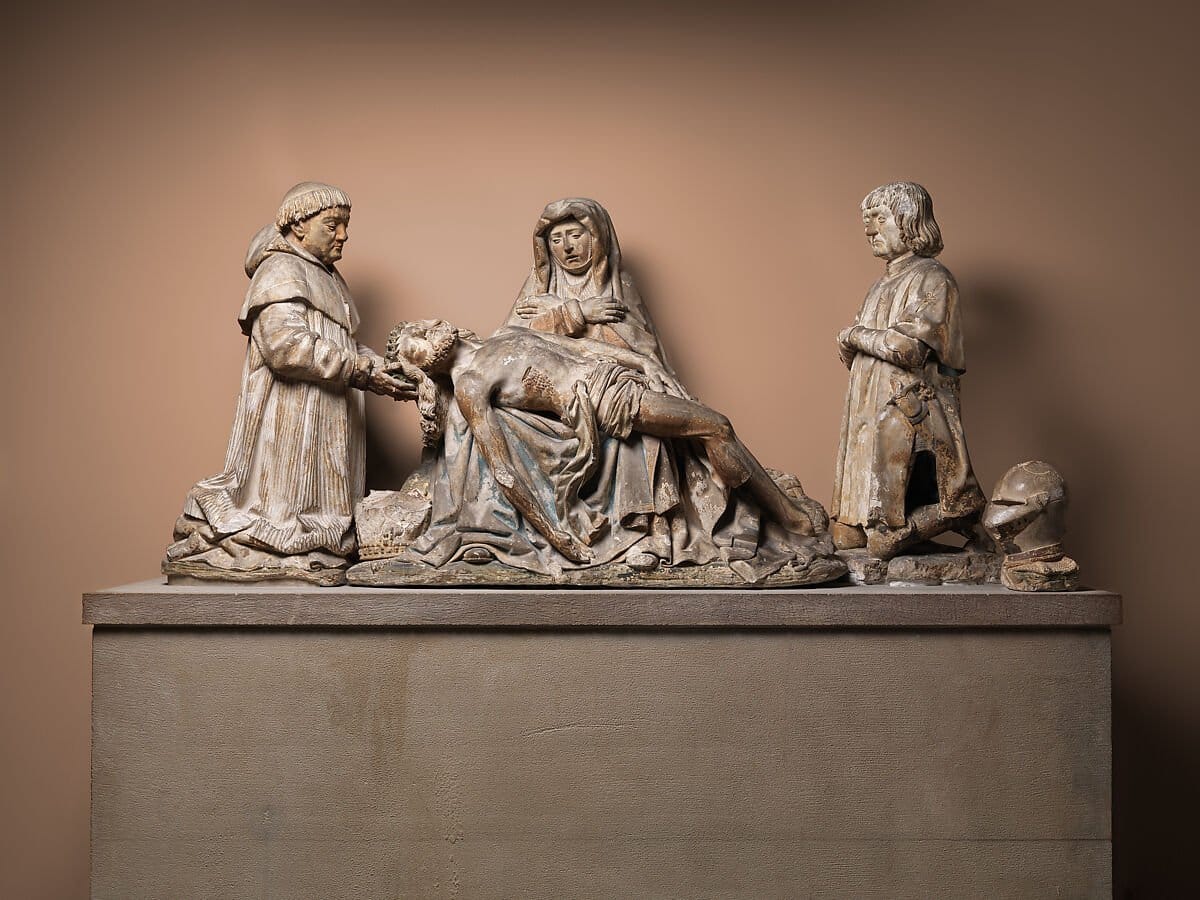
The donors are Pons de Gontaut and his brother Armand, Bishop of Sarlat, in whose family funerary chapel this sculpture and the Entombment originally stood. Their coats of arms were held by the angels in the Entombment scene.
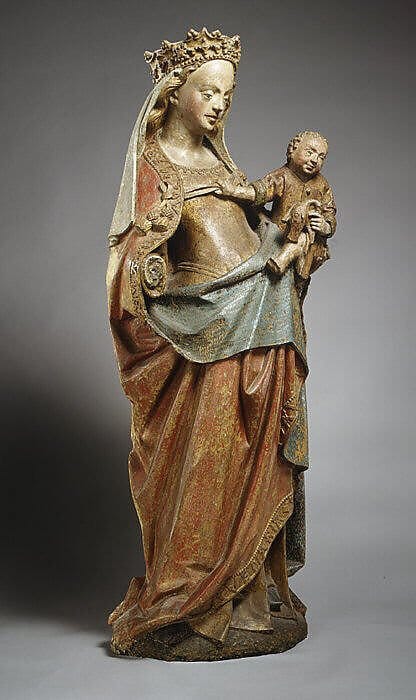
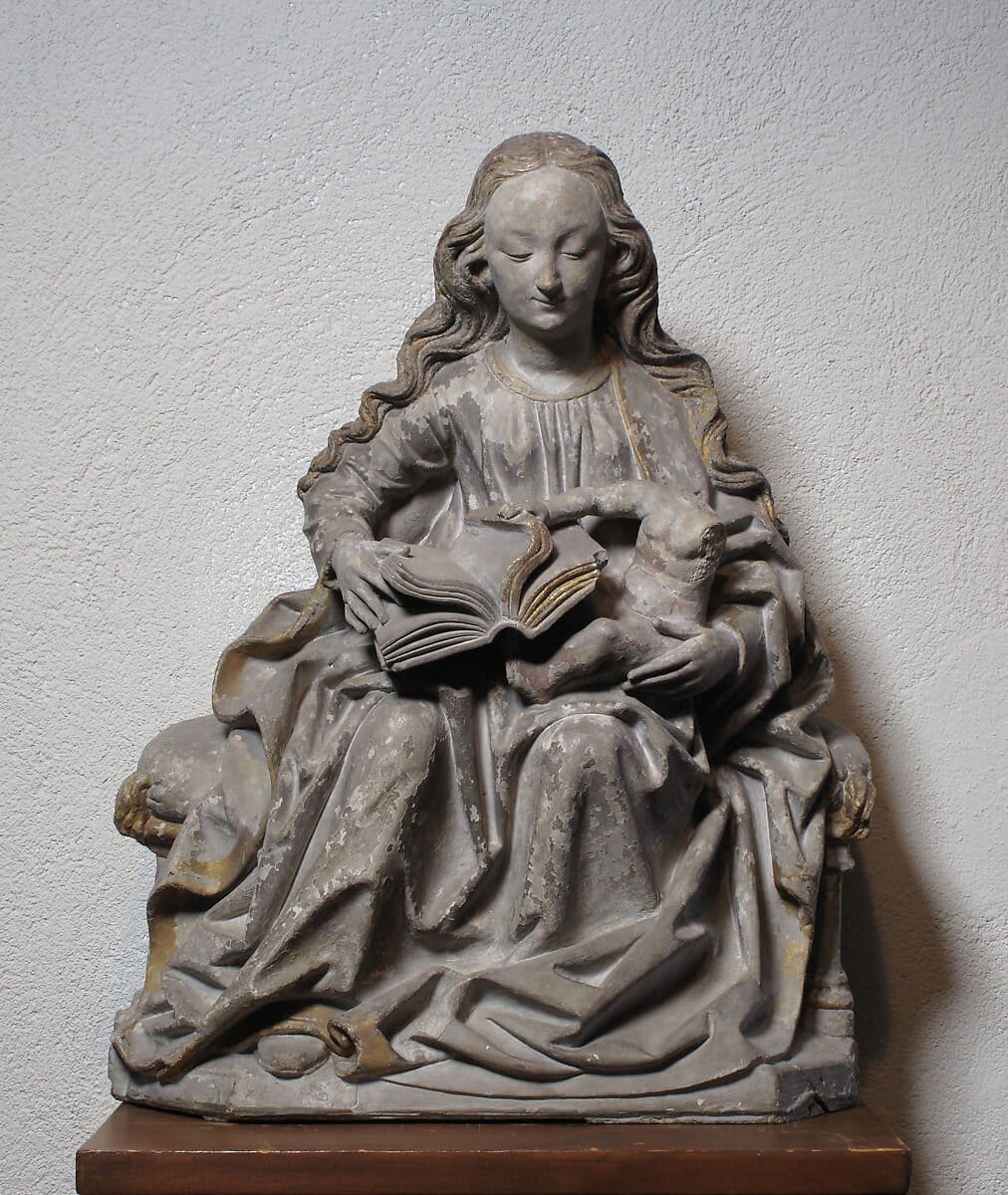
Represented as Queen of Heaven, the Virgin holds a playful Christ Child who, in turn, has caught a bird in flight. The bird symbolizes the soul and its resurrection. The bird nourishes itself on the blood of Christ, an act that refers to the Eucharist.
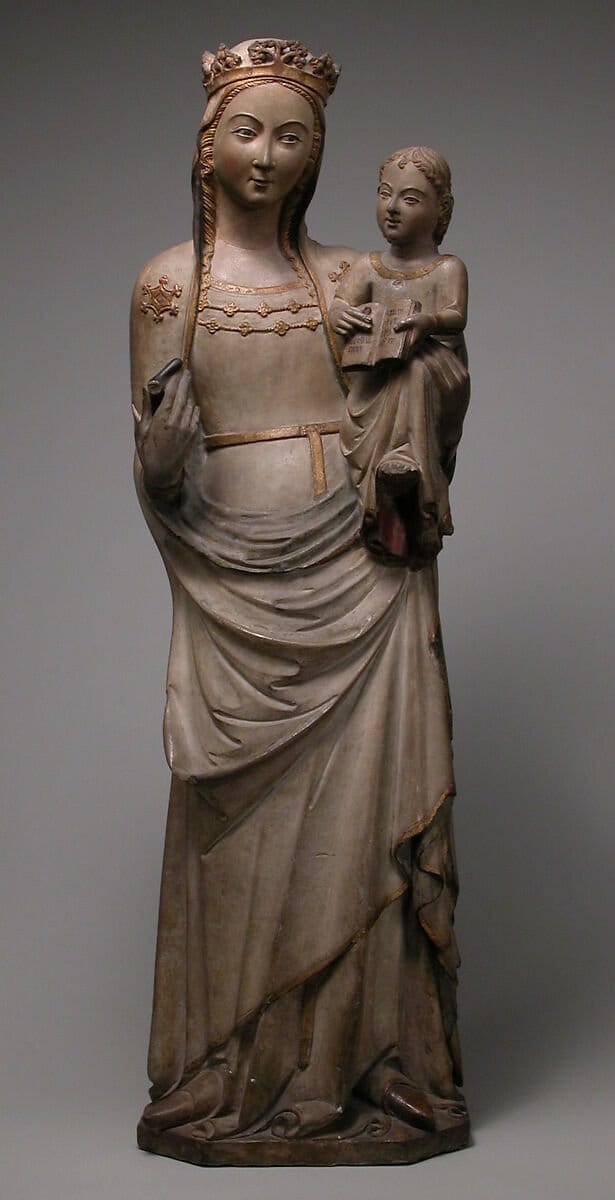
The Catalan sculptor, architect, and painter Guillem Seguer was active in the diocese of Lleida and elsewhere in the mid-1300s. This limestone statue with polychromy and gilding measures 132.7 x 41.6 x 32.1 cm (52 1/4 x 16 3/8 x 12 5/8 in.).
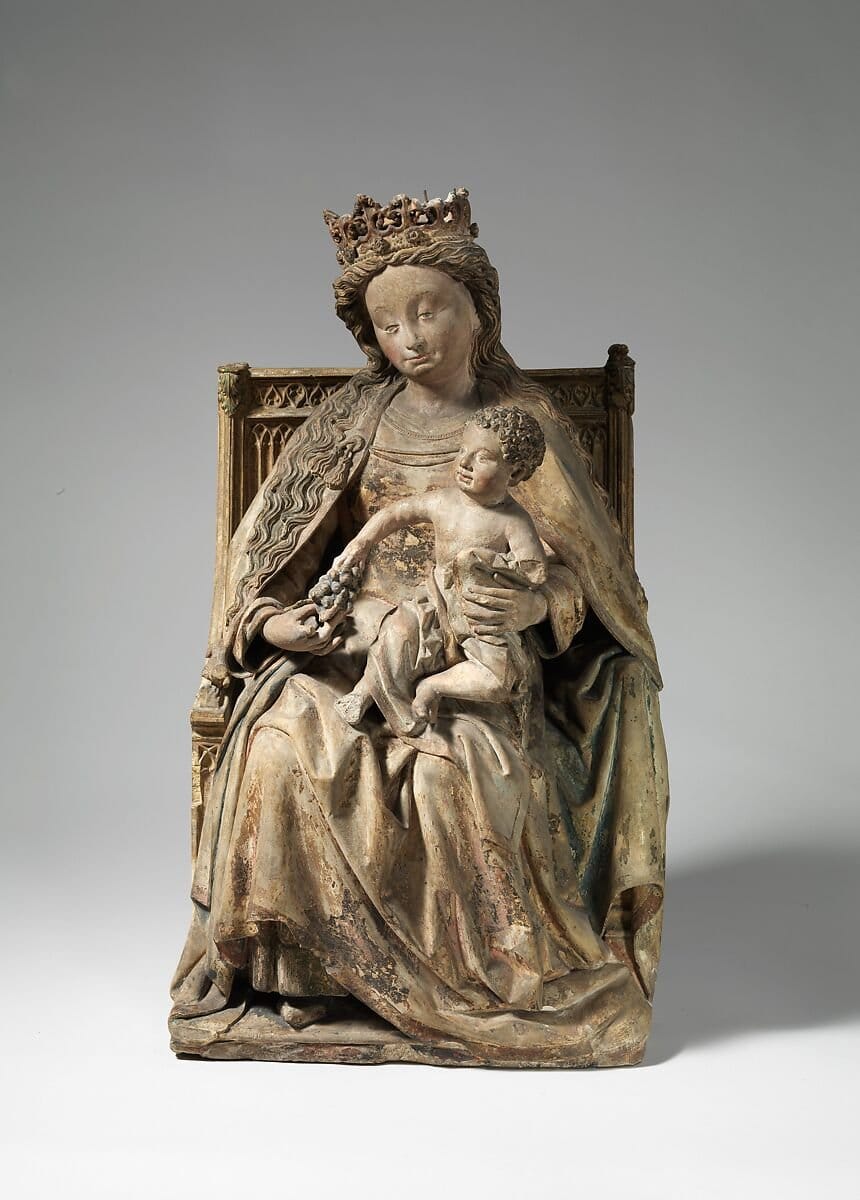
Limestone statue with traces of polychromy, made in Troyes, France. It measures 75.9 x 43.8 x 30.5 cm (29 7/8 x 17 1/4 x 12 in.).
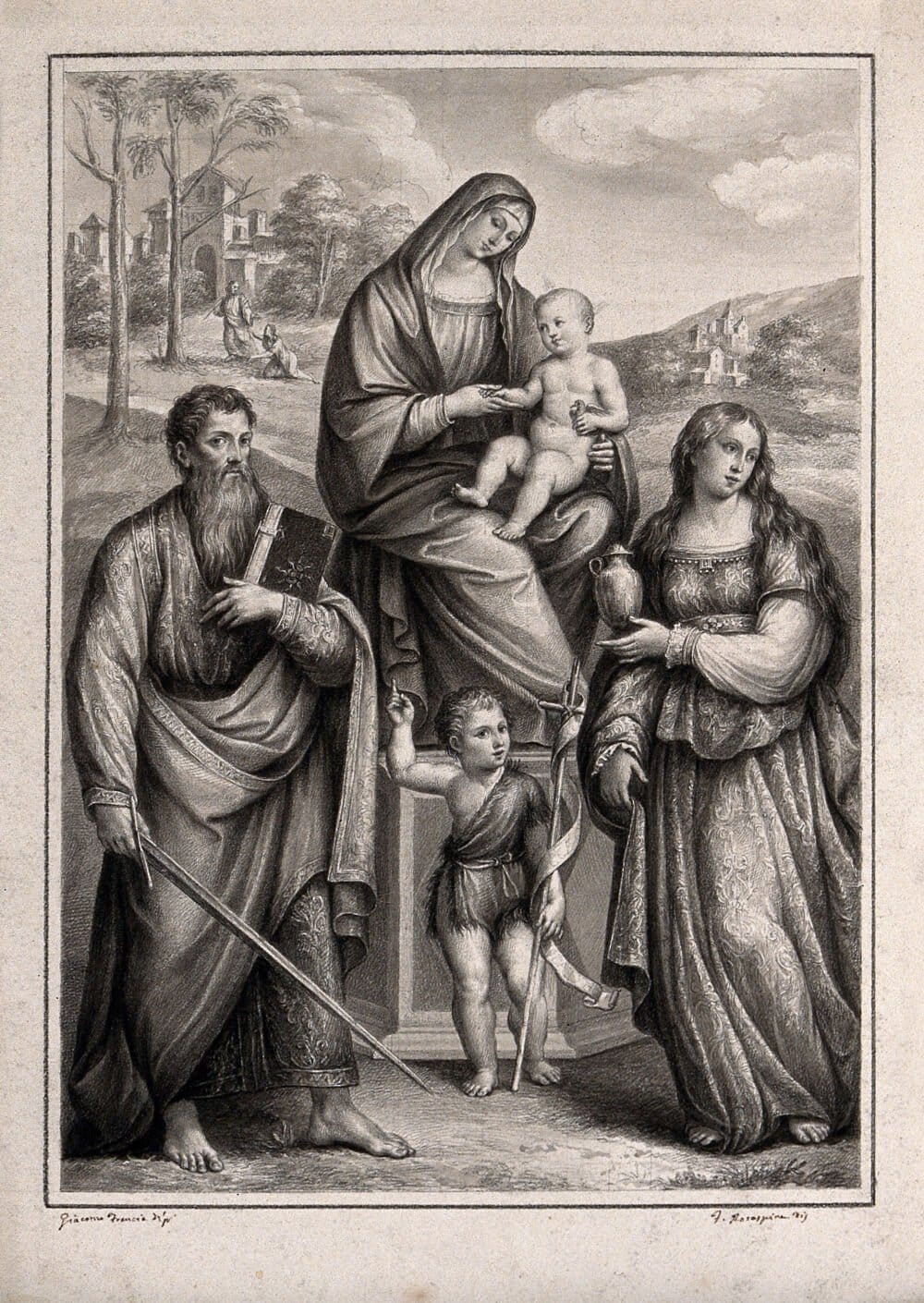
Pencil drawing by Francesco Rosaspina after a painting by Giacomo Francia (Raibolini), from the Wellcome Collection. The border measures 26 x 18.7 cm.
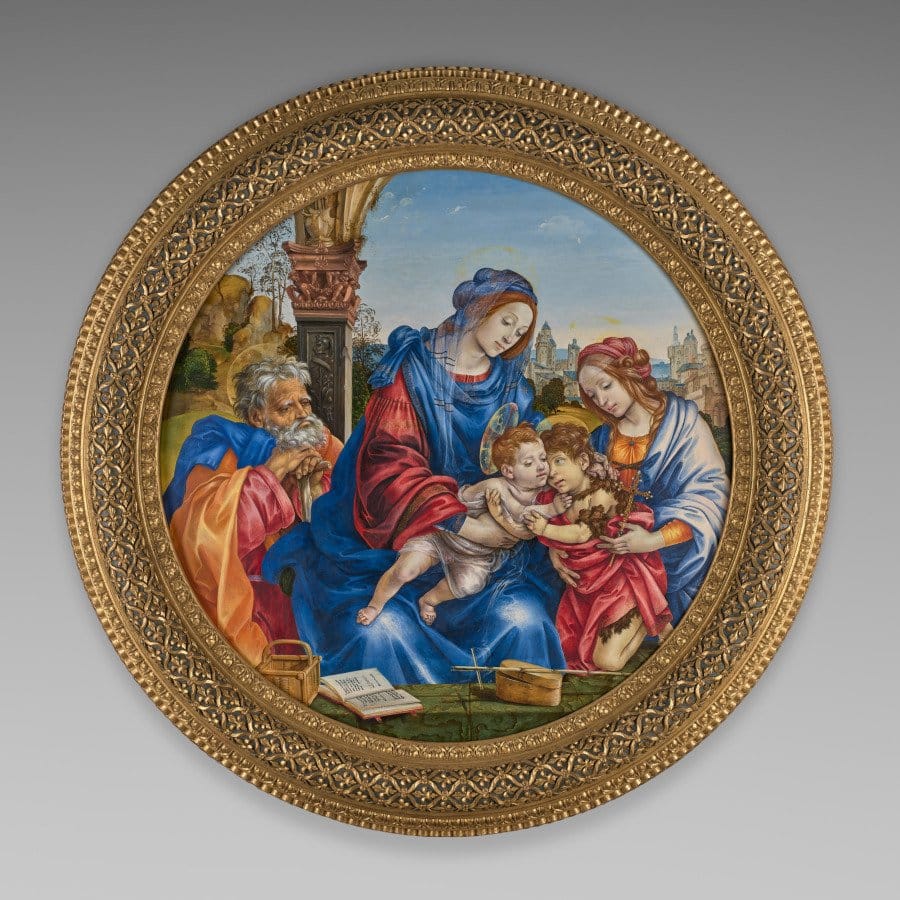
This monumental tondo, among Filippino's most significant works, was commissioned by Neapolitan cardinal Oliviero Carafa, a leading political and ecclesiastical figure.
Limestone relief statue with traces of polychromy and gilding, made in Lorraine, France. It measures 69.9 x 54.6 x 27.3 cm (27 1/2 x 21 1/2 x 10 3/4 in.).
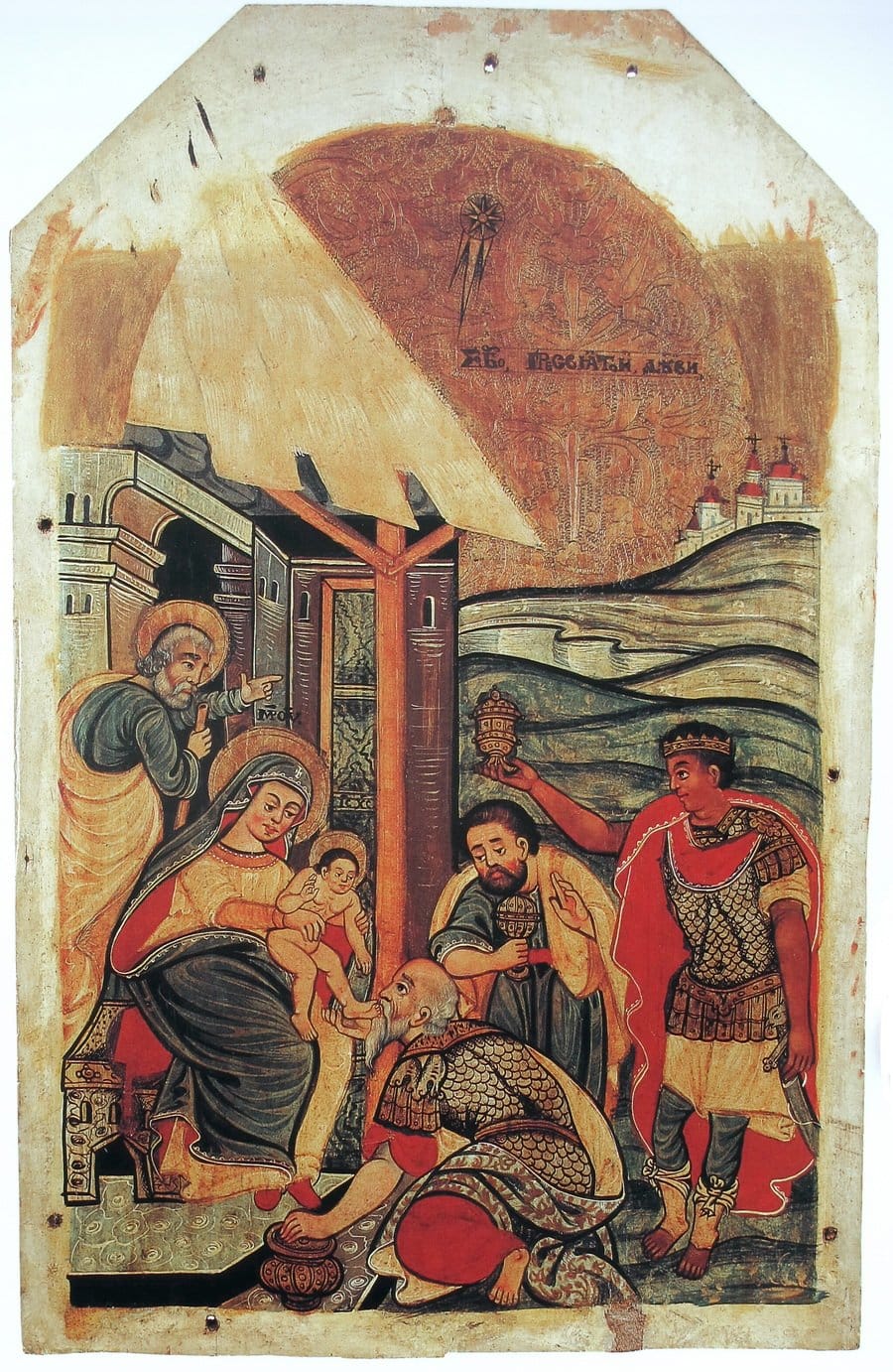
Icon of the Adoration of the Magi by the Rybotychi school, from the village of Uherci. Held in the Historical Museum in Sanok, Poland.
Icon of the Adoration of the Magi from the early 18th century, from the village of Rodatychi in the Lviv region of Ukraine.
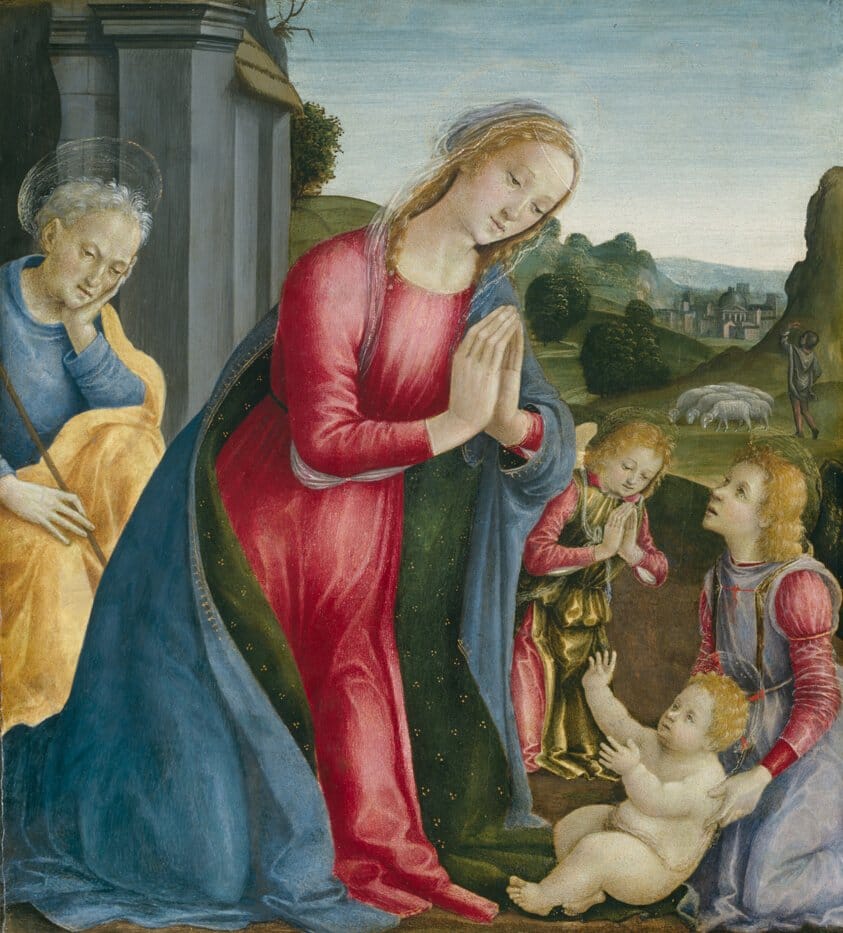
Tempera on panel, made in Florence, Italy. The painting measures 52 × 47.2 cm (20 1/2 × 18 9/16 in.).
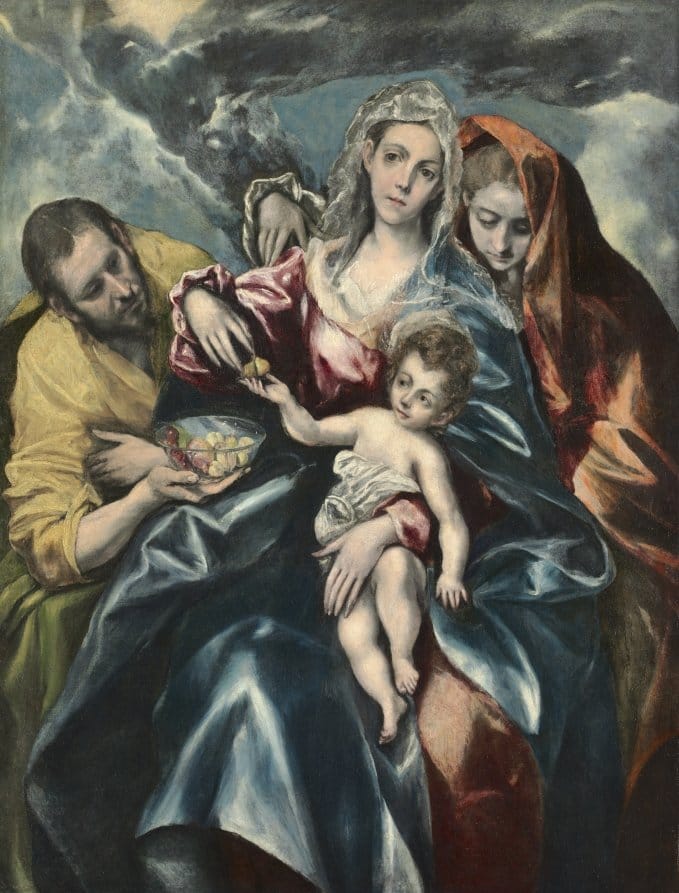
The seemingly weightless figures, the startling color combinations, and the moody, imprecise setting all show El Greco’s interest in conveying the intense spirituality of these figures rather than their concrete reality.
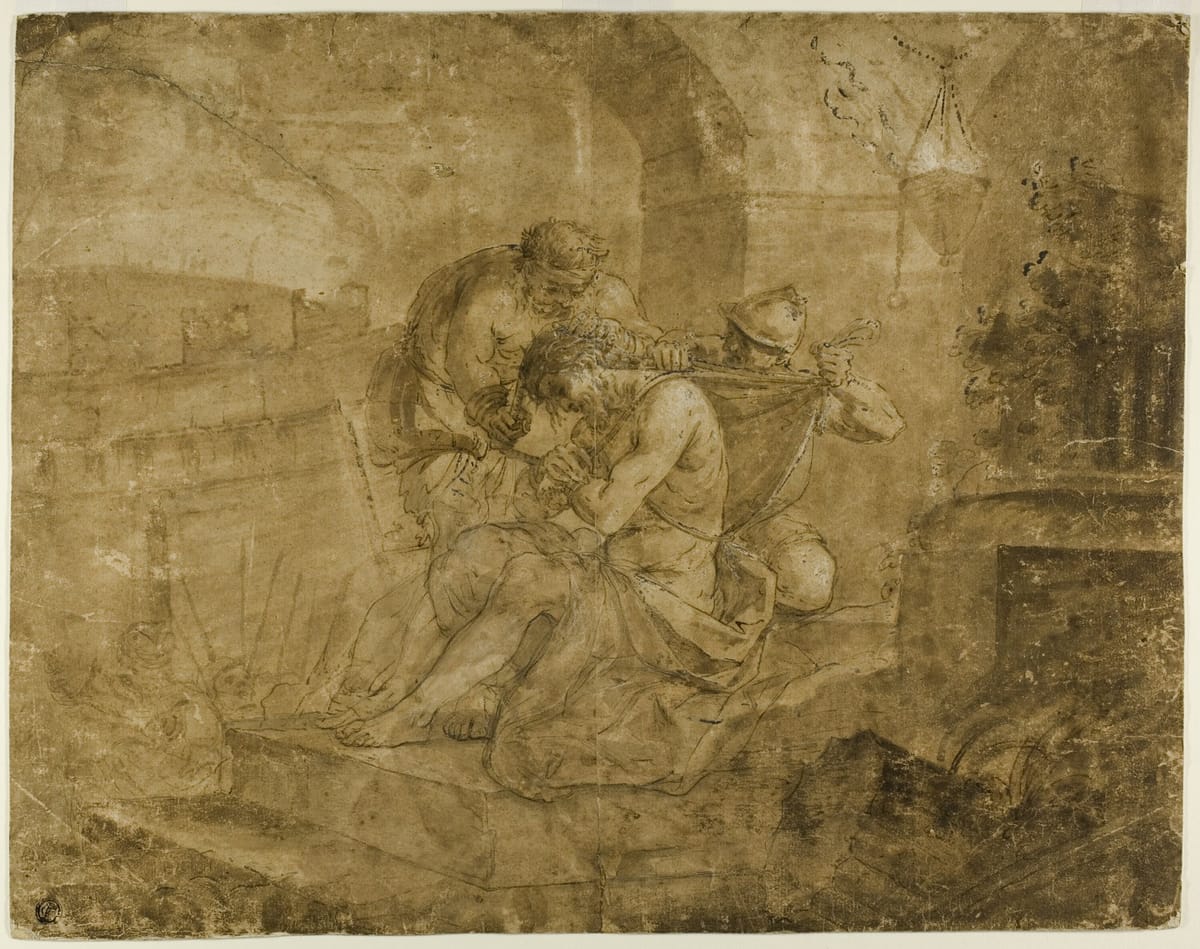
Pen and brown ink, with brush and brown wash, with black chalk, heightened with lead white (partly discolored), on tan laid paper, laid down on gray wove paper.
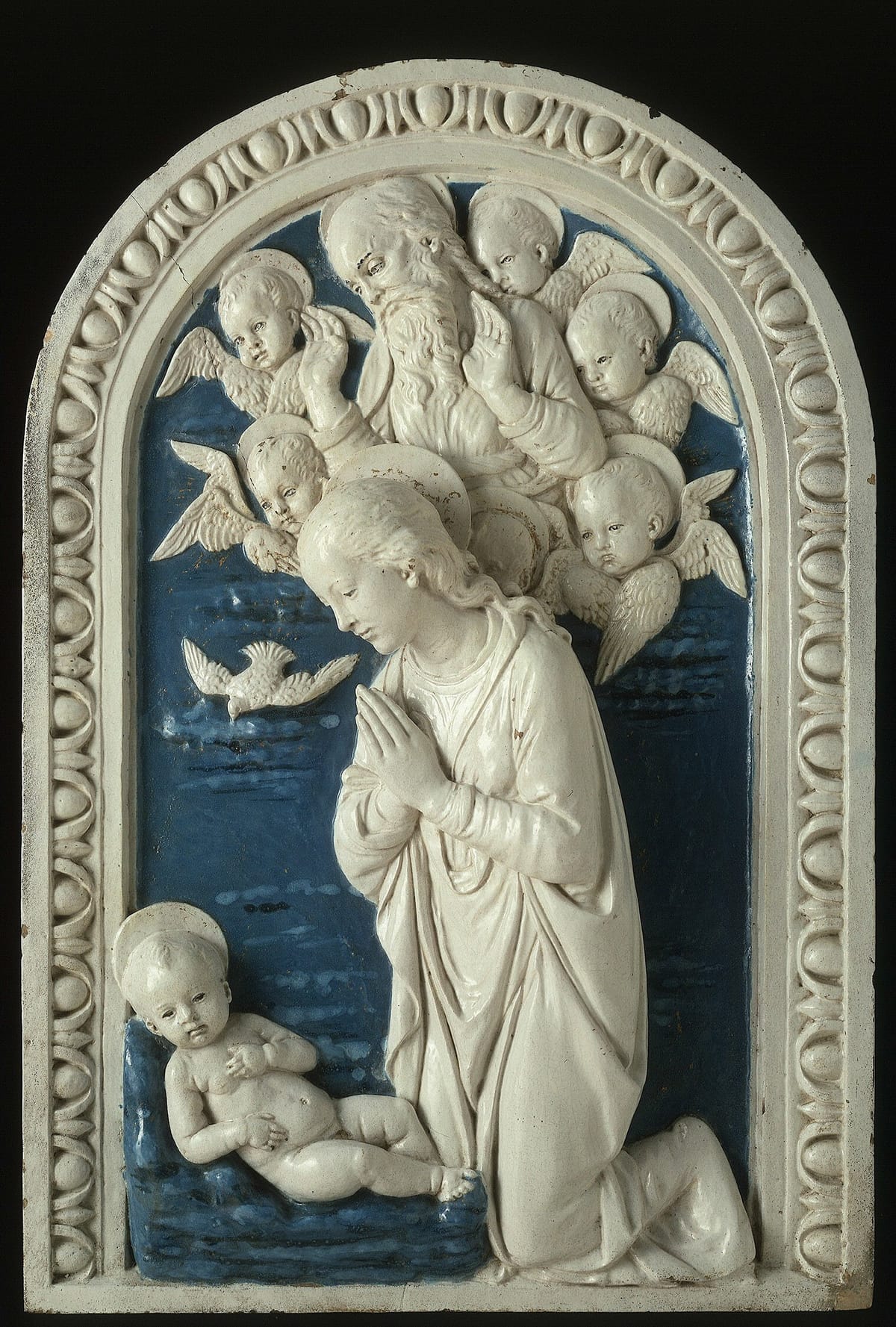
Glazed terracotta. Dimensions: 67 × 44.5 cm (26 3/8 × 17 1/2 in.)
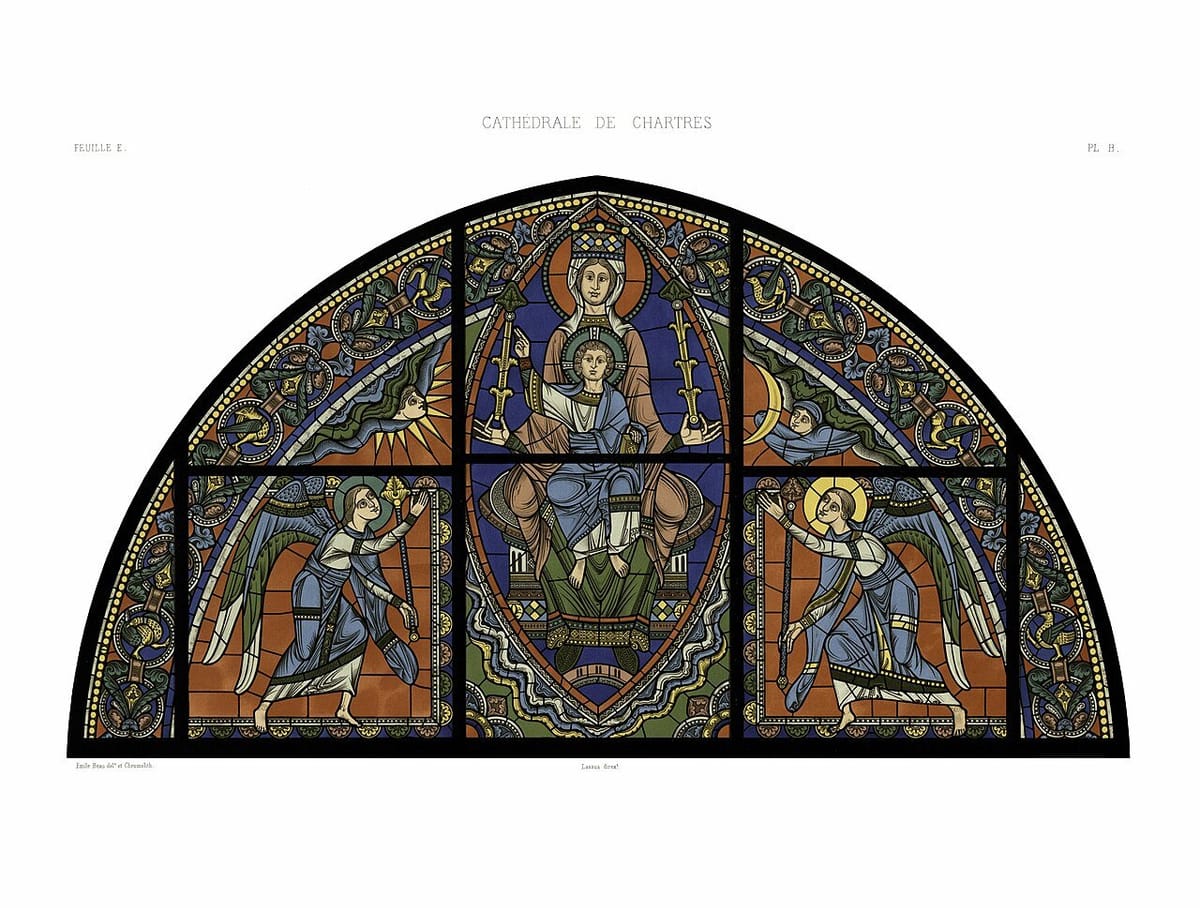
Chrome lithography of the stained glass window: The life of Jesus, Paris, Imprimerie impériale.
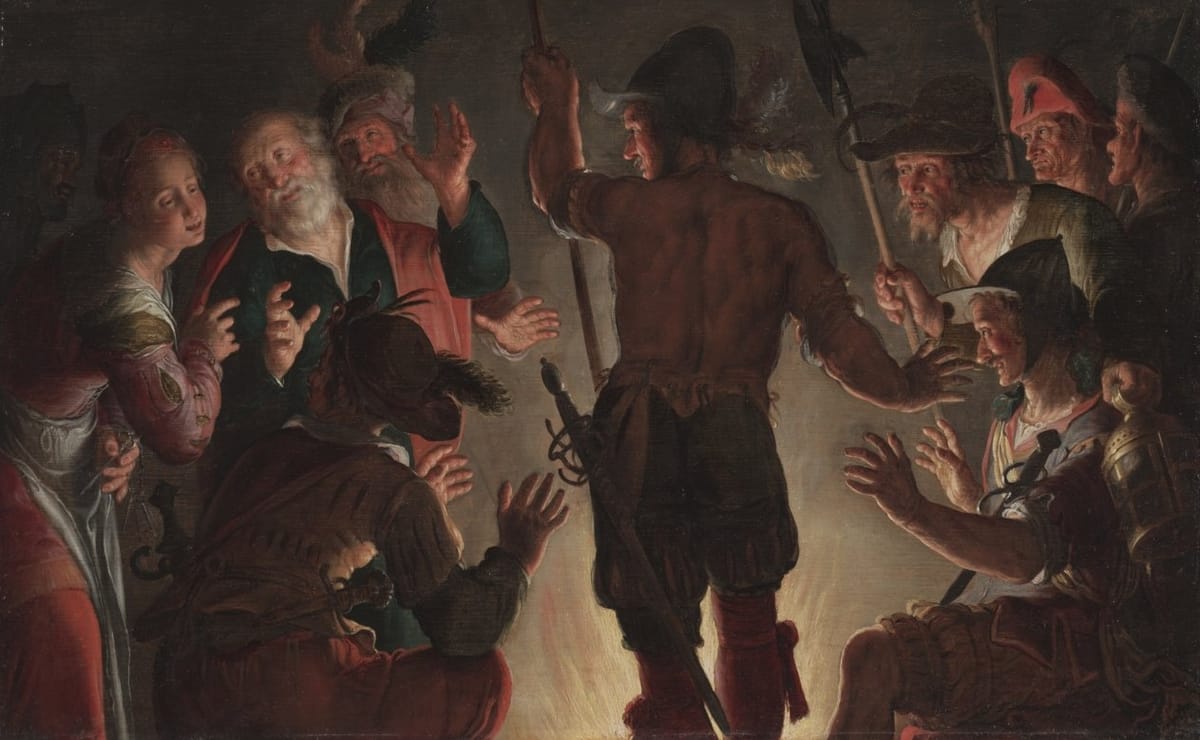
Wtewael depicts when Peter denies knowing Jesus. Few works by this artist are known, and he draws on an unusual combination of styles.
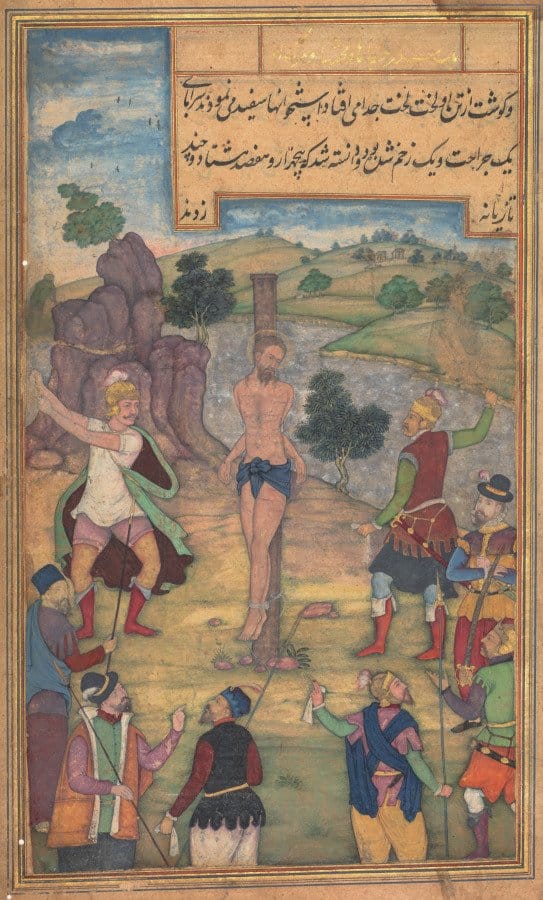
Two Romans flog Jesus, bound to a stake on a hilly horizon. His expression conveys pain and compassion, as he endures cuts and bindings that secure him so tightly to the post that his feet are elevated off the ground.
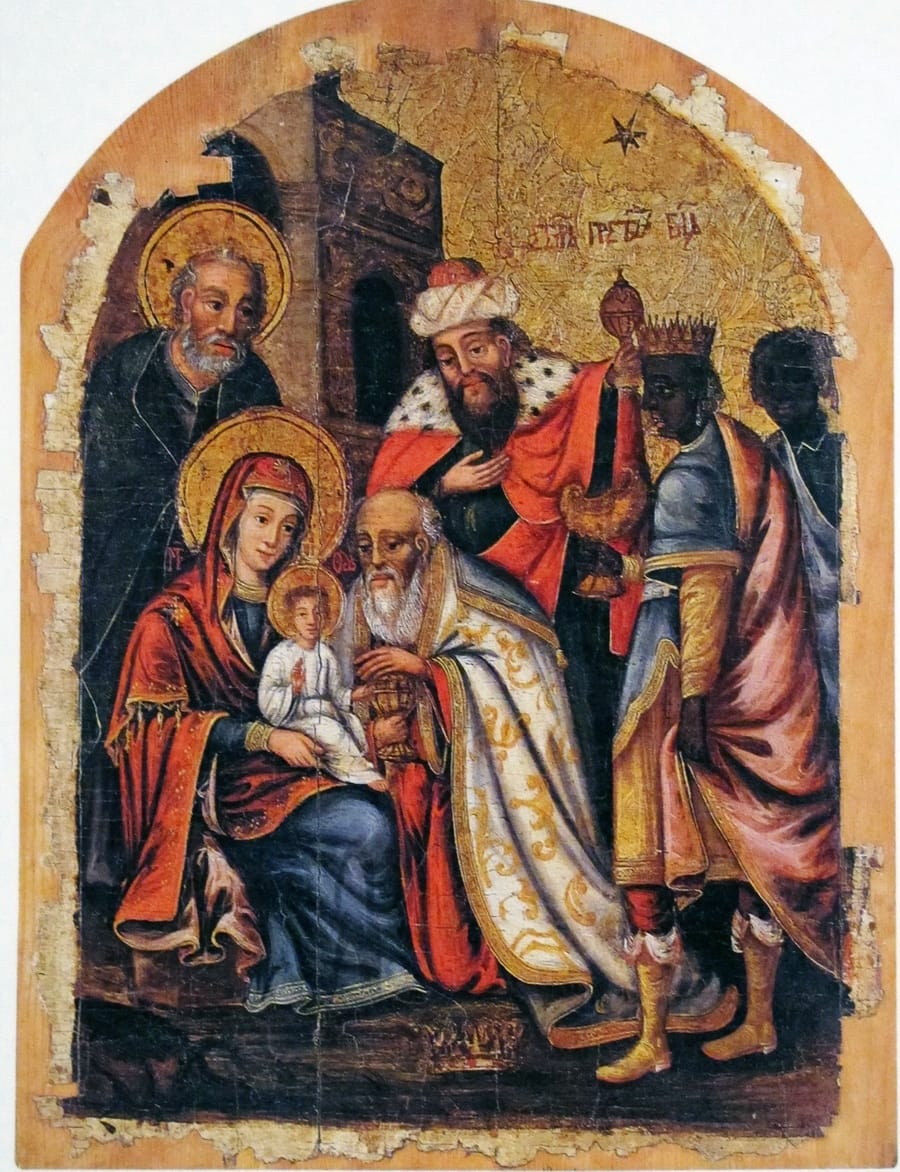
Ukrainian icon of the Adoration of the Magi, made in the second half of the 18th century.
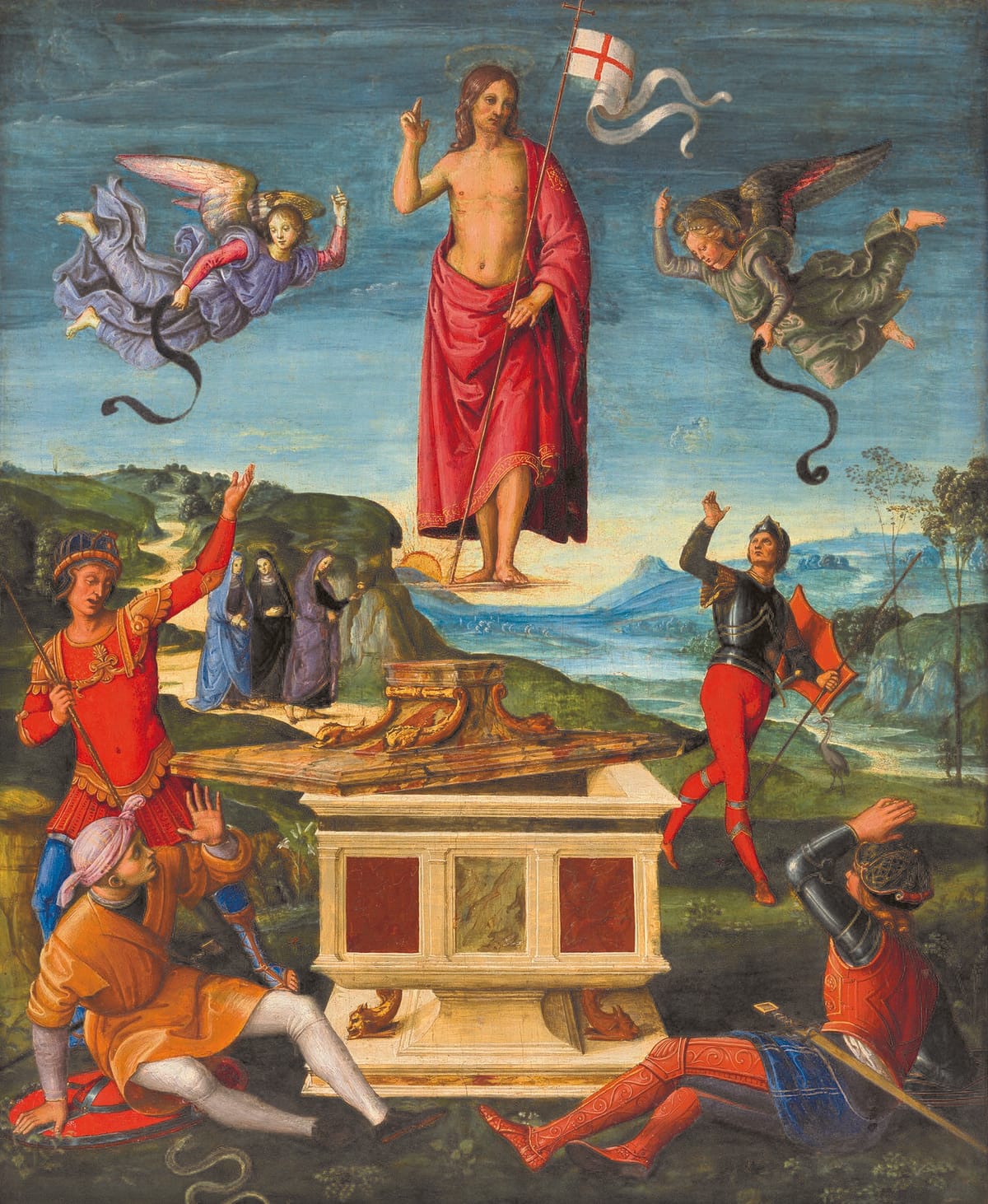
Jesus Christ rising from a marble tomb holding the cross of St. George, Christ is flanked by angels, and surrounded by frightened soldiers.
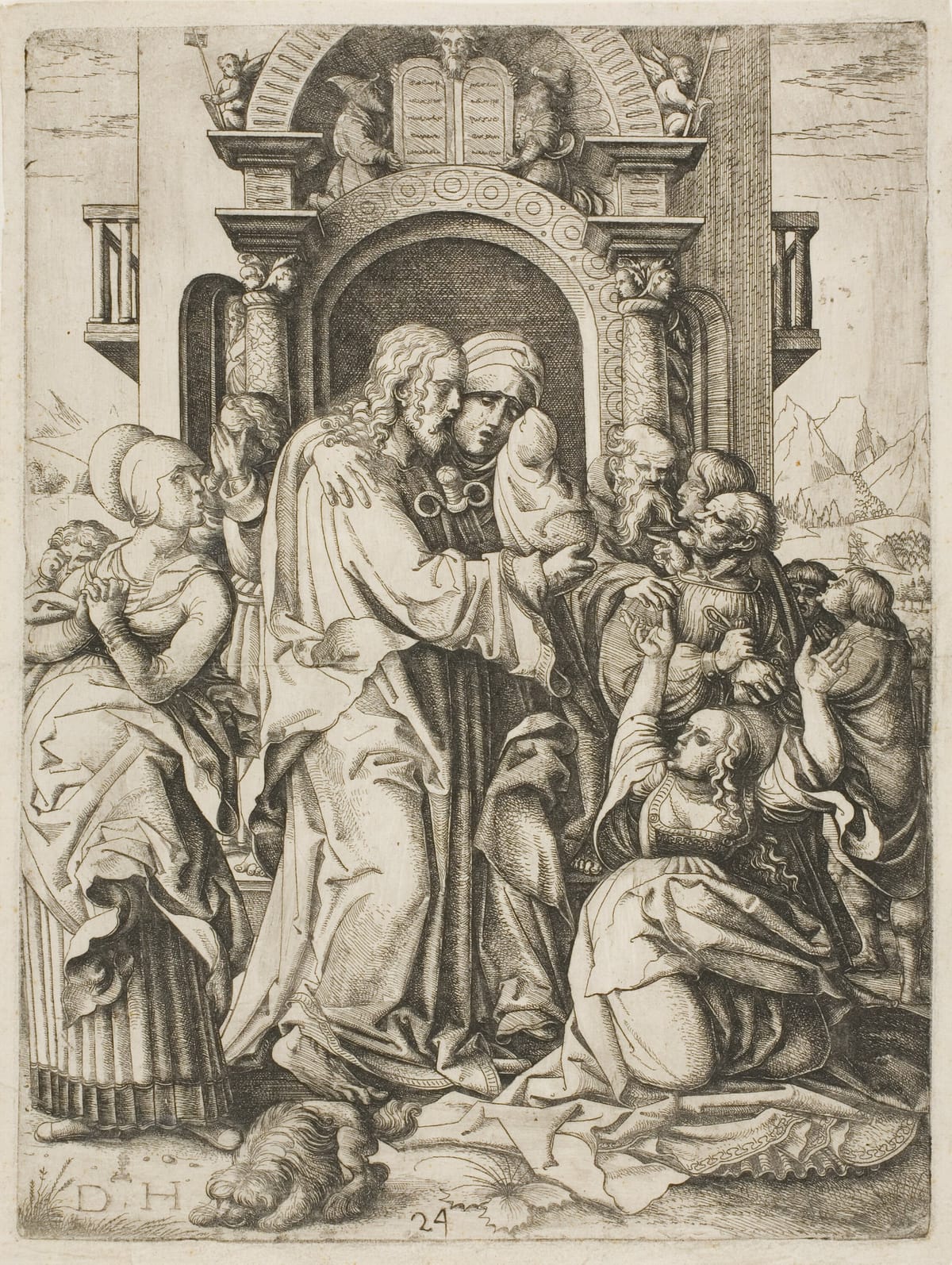
Daniel Hopfer I’s visionary image depicts the Virgin sobbing before Christ’s betrayal, scourging, and crucifixion. Knowing her son will die a gruesome death, she feels physical pain at his departure.
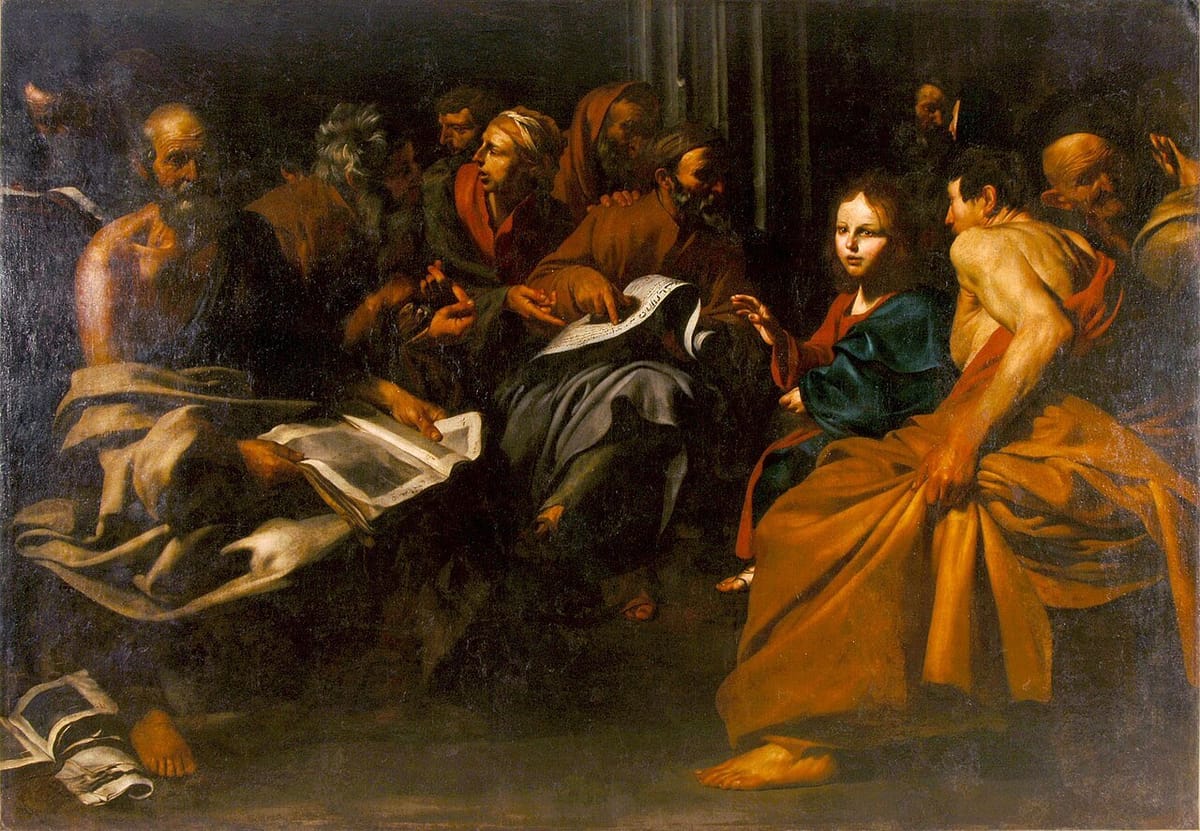
Oil on canvas painting by Jusepe de Ribera of the boy Jesus among the teachers in the Temple, dated 1612-1613.
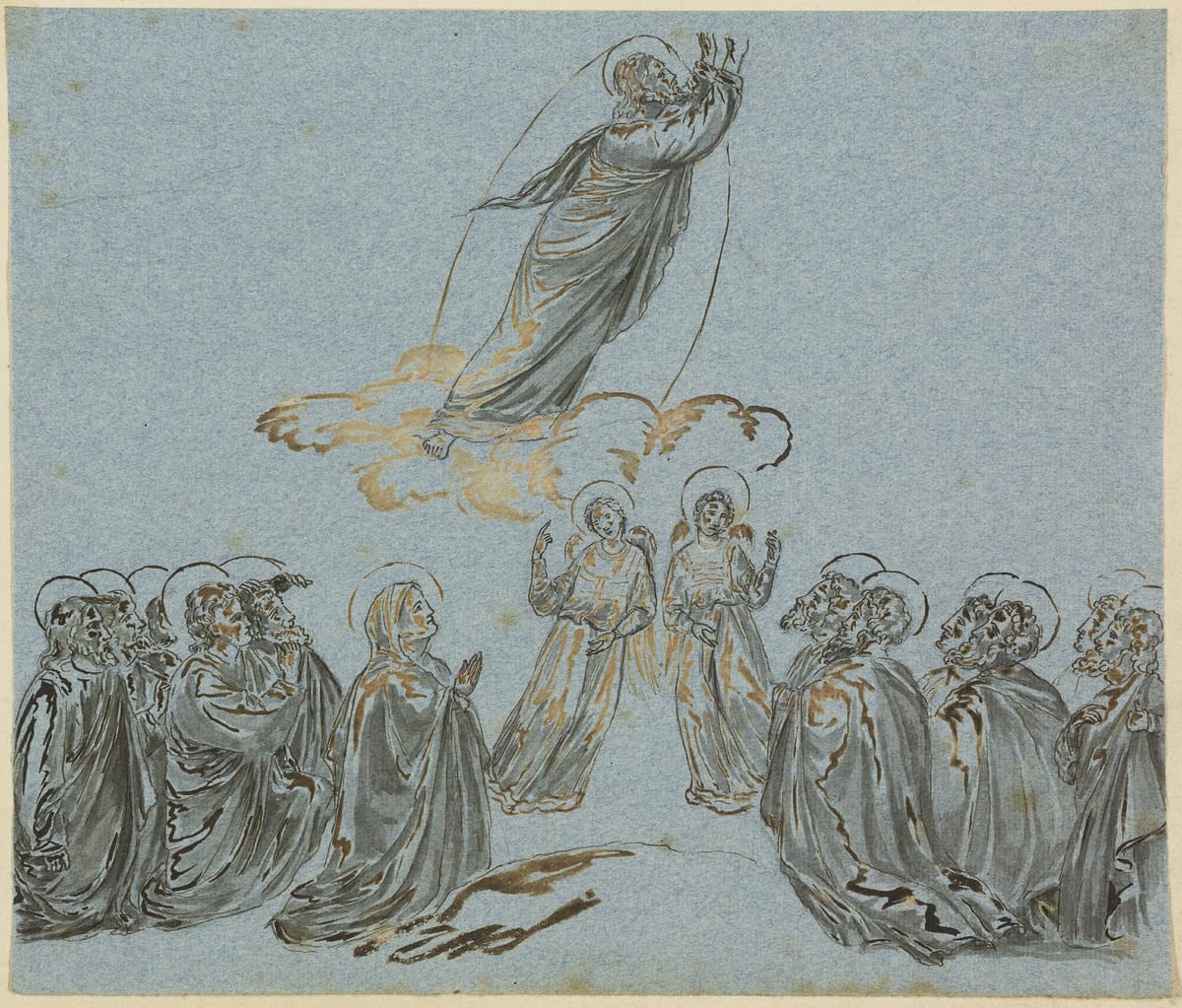
Pen and brown ink, with brush and gray wash, heightened with lead white (oxidized), on blue laid paper, tipped onto cream laid paper