Adoration of the Magi (18th century) - Public Domain Orthodox Icon
Icon of the Adoration of the Magi from the early 18th century, from the village of Rodatychi in the Lviv region of Ukraine.
This site's editor-in-chief is a Catholic husband, father, and author. He loves sharing the Catholic faith through art and graphic design. Check out his prayer books and coloring books on Amazon.com
Icon of the Adoration of the Magi from the early 18th century, from the village of Rodatychi in the Lviv region of Ukraine.
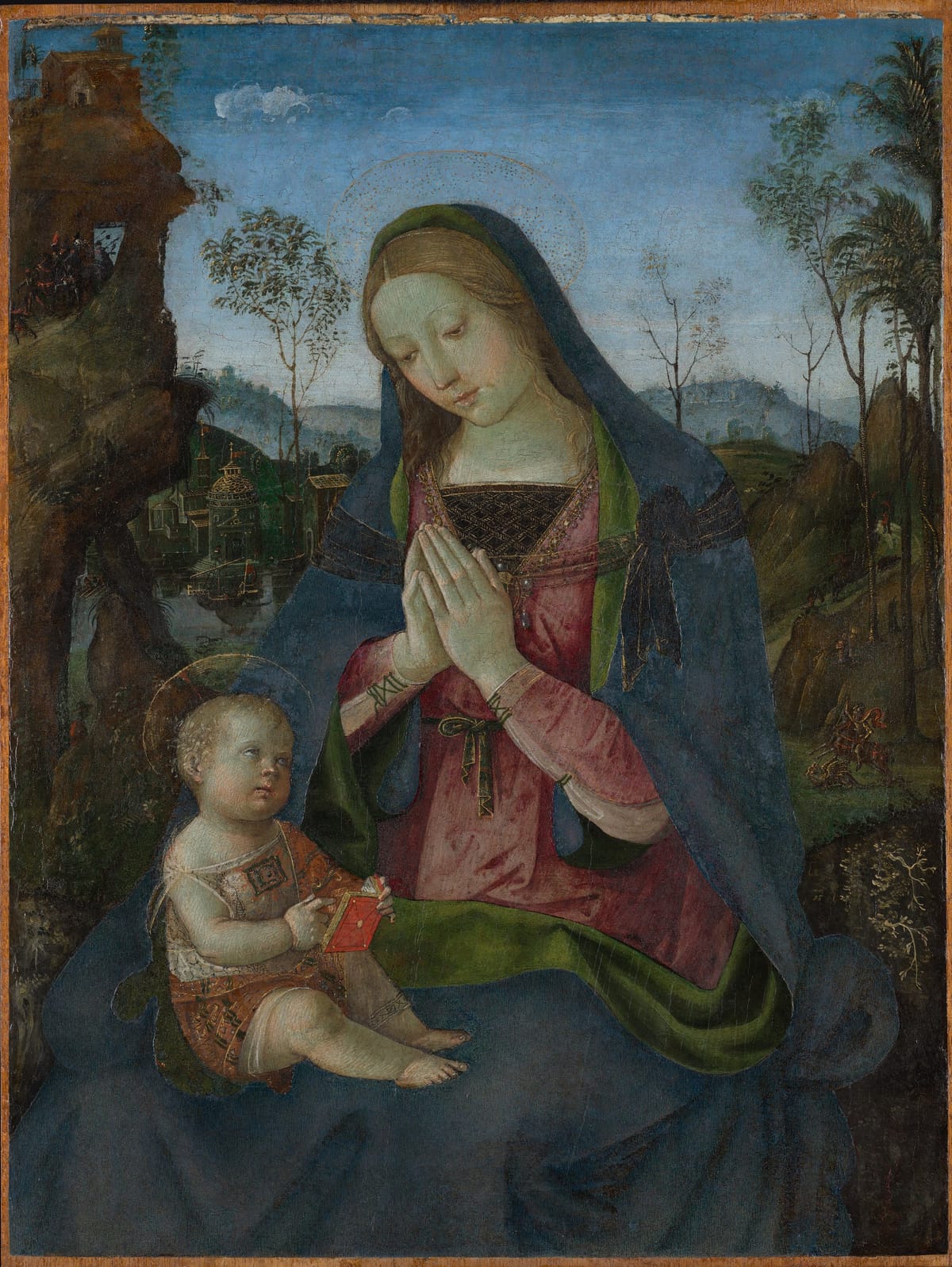
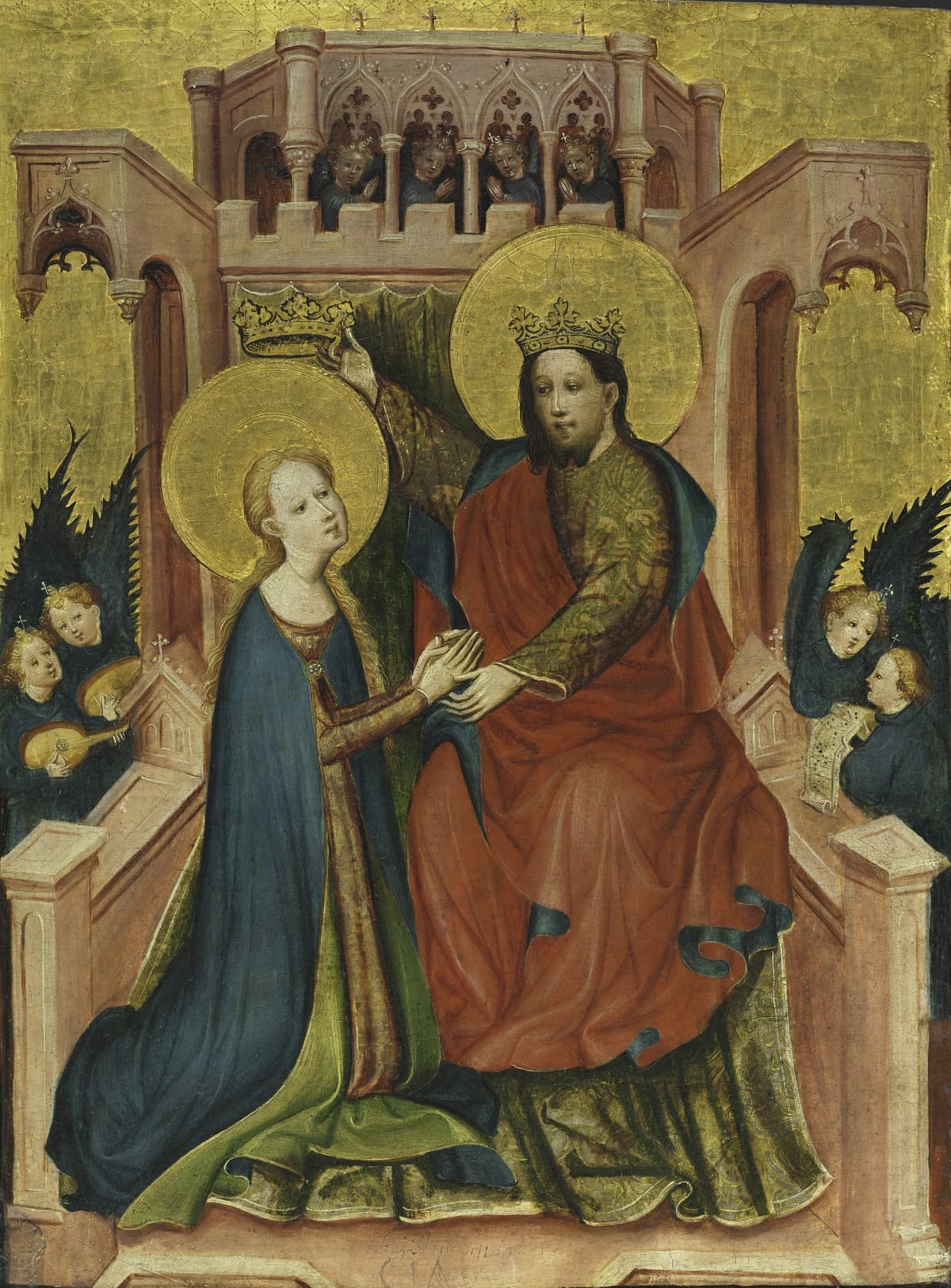
Tempera on panel, made in Florence, Italy. The painting measures 52 × 47.2 cm (20 1/2 × 18 9/16 in.).
The seemingly weightless figures, the startling color combinations, and the moody, imprecise setting all show El Greco’s interest in conveying the intense spirituality of these figures rather than their concrete reality.
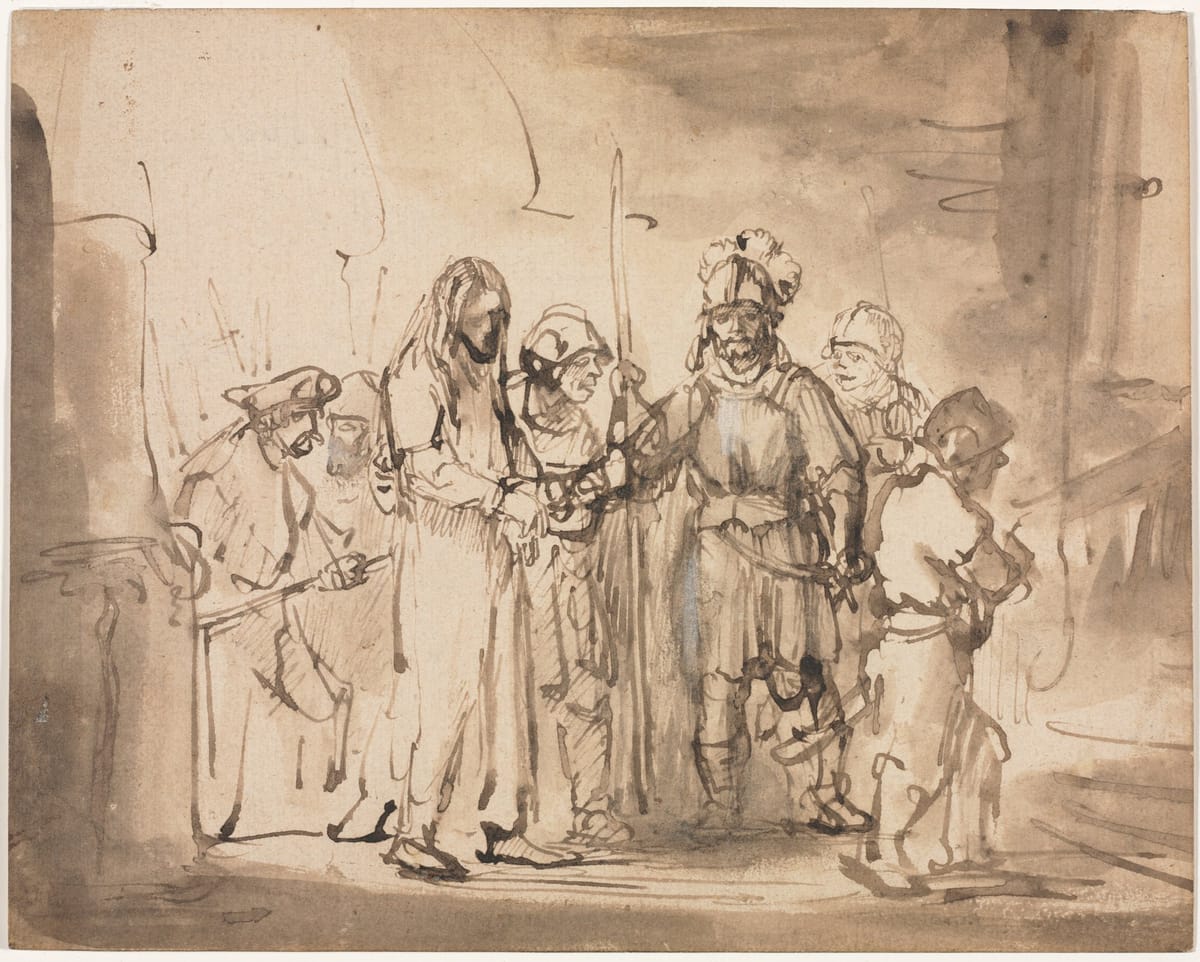
Pen and brown ink, with brush and brown wash, with black chalk, heightened with lead white (partly discolored), on tan laid paper, laid down on gray wove paper.
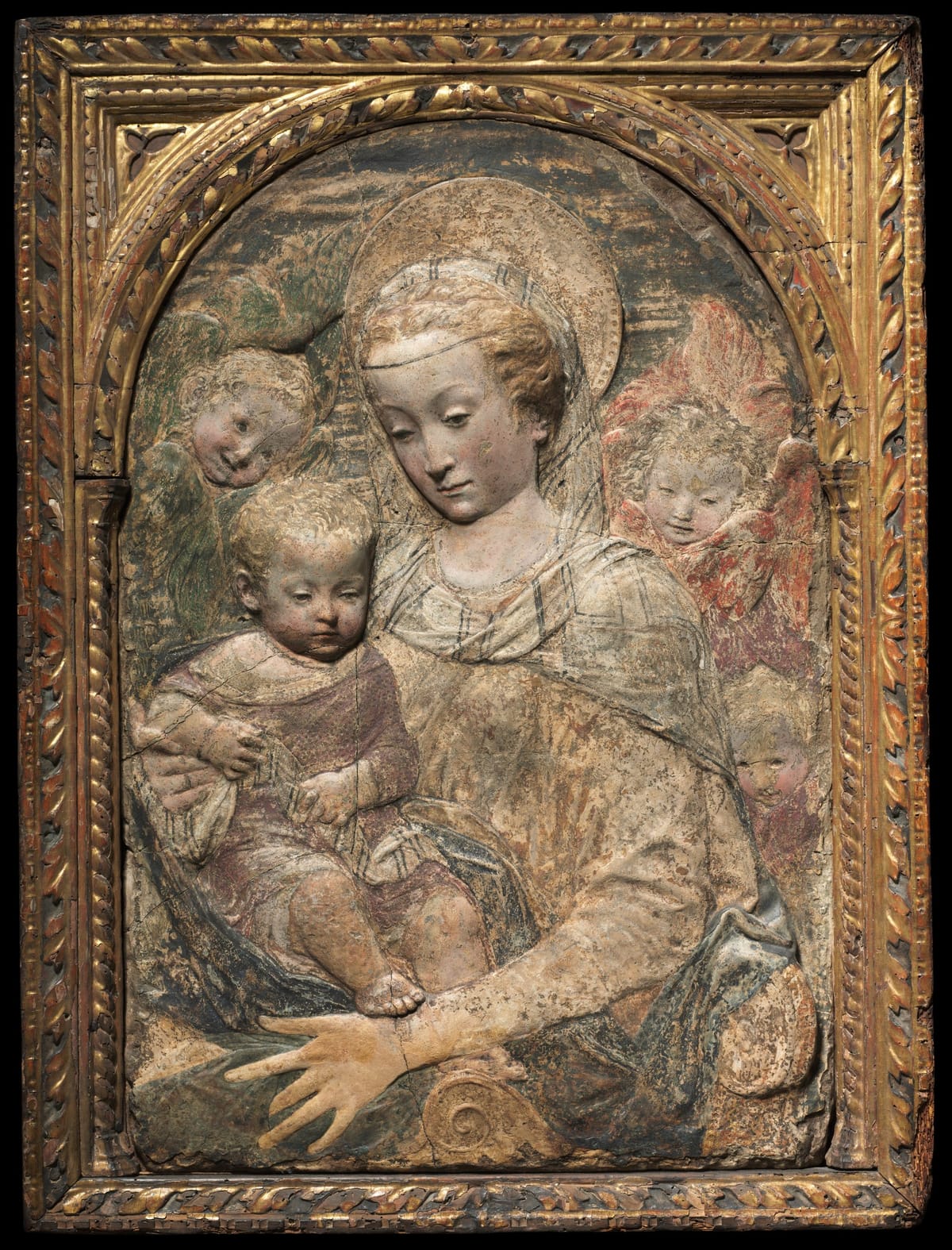
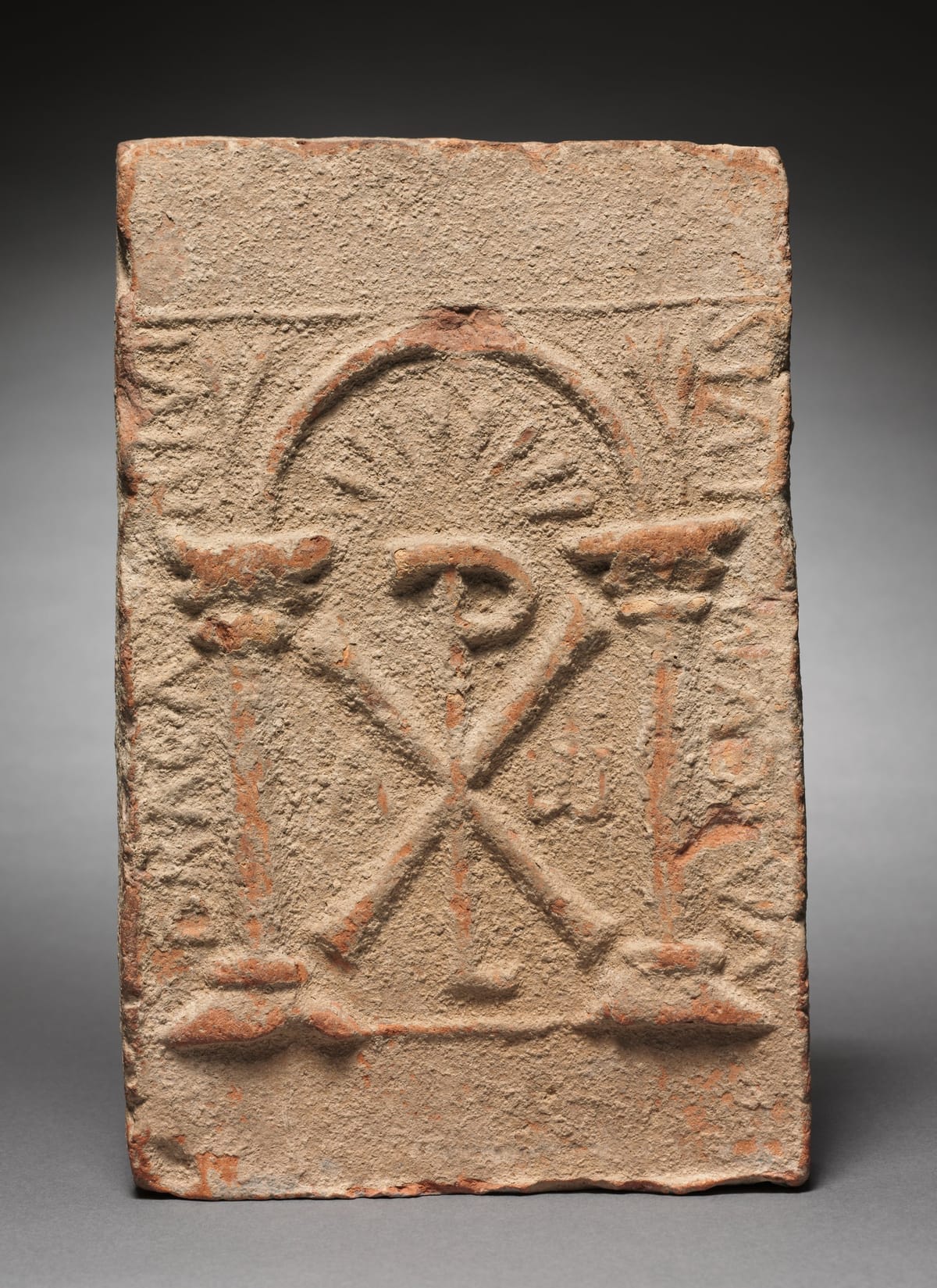
Glazed terracotta. Dimensions: 67 × 44.5 cm (26 3/8 × 17 1/2 in.)
Chrome lithography of the stained glass window: The life of Jesus, Paris, Imprimerie impériale.
Wtewael depicts when Peter denies knowing Jesus. Few works by this artist are known, and he draws on an unusual combination of styles.
Two Romans flog Jesus, bound to a stake on a hilly horizon. His expression conveys pain and compassion, as he endures cuts and bindings that secure him so tightly to the post that his feet are elevated off the ground.
Ukrainian icon of the Adoration of the Magi, made in the second half of the 18th century.
Jesus Christ rising from a marble tomb holding the cross of St. George, Christ is flanked by angels, and surrounded by frightened soldiers.
Daniel Hopfer I’s visionary image depicts the Virgin sobbing before Christ’s betrayal, scourging, and crucifixion. Knowing her son will die a gruesome death, she feels physical pain at his departure.
Oil on canvas painting by Jusepe de Ribera of the boy Jesus among the teachers in the Temple, dated 1612-1613.
Pen and brown ink, with brush and gray wash, heightened with lead white (oxidized), on blue laid paper, tipped onto cream laid paper
This initial E serves as a frame for the figure of Christ, shown here as the judge of the world with the swords of justice emanating from his mouth.
Etching in black on off-white laid paper
from William Hole's series of THE LIFE OF CHRIST, which was published in the UK and in the USA both (in various books and publications) before 1923.
Mughal, India. Medium: Gum tempera, ink, color, and gold on paper.
French. Etching on paper.
Medium: Black and red chalk, pen and black and gray ink, brush and brown wash, watercolor, and gouache, heightened with white gouache; framing lines in red chalk and graphite (right edge).
Flemish oil on panel painting of Christ on the Cross, made in Flanders about 1575-1605. The panel measures 40.1 x 32.3 cm.
Florence, Italy. Ink and tempera on vellum.
In this scene (Luke 19: 1-10), Jesus Christ passes through Jericho and notices a wealthy, but diminutive, devotee who has climbed a sycamore tree (drawn here with recognizable seed pods) in order to see him better.
Germany, early 16th Century. Medium: Woodcut
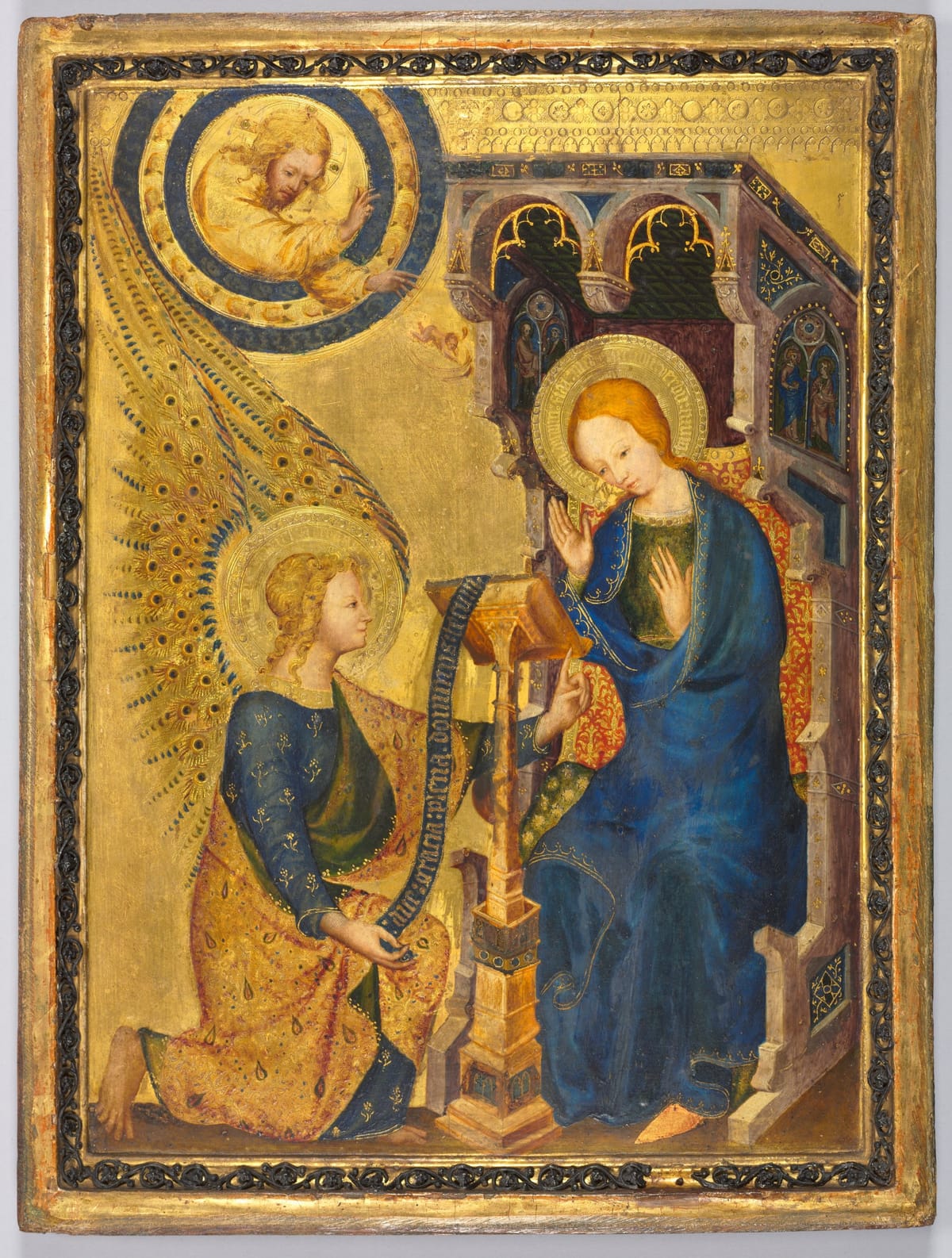
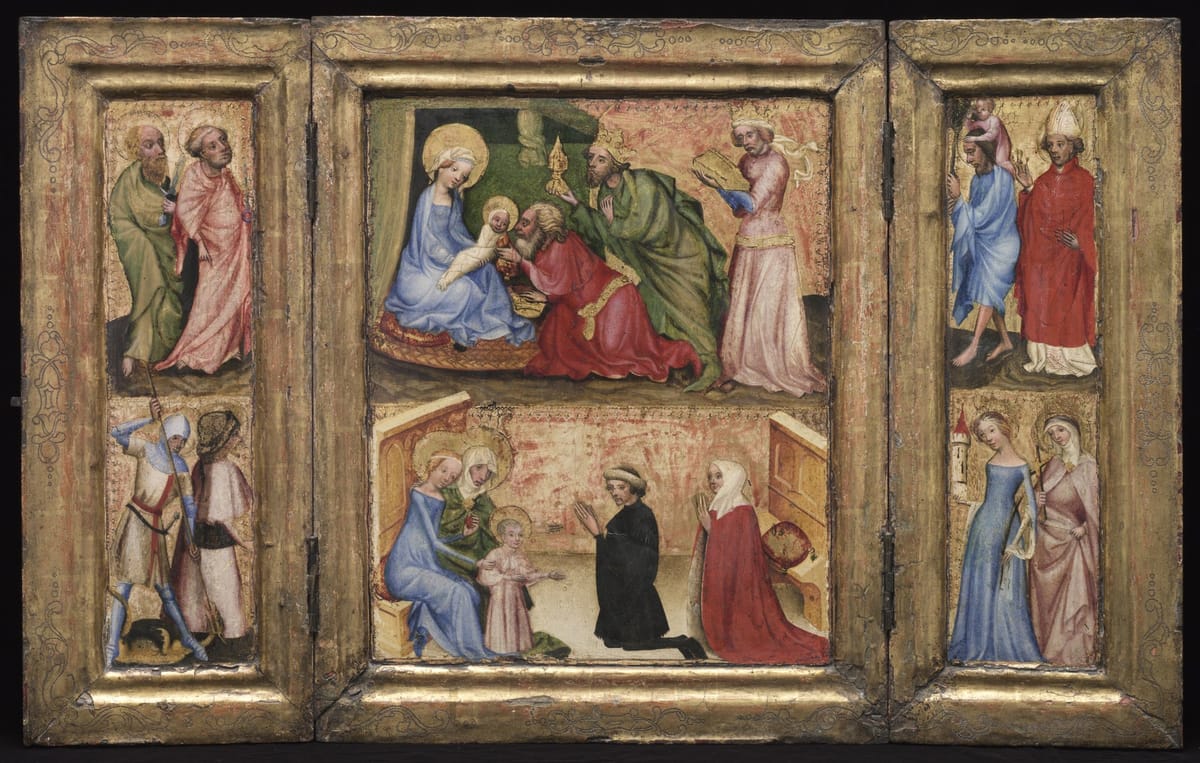
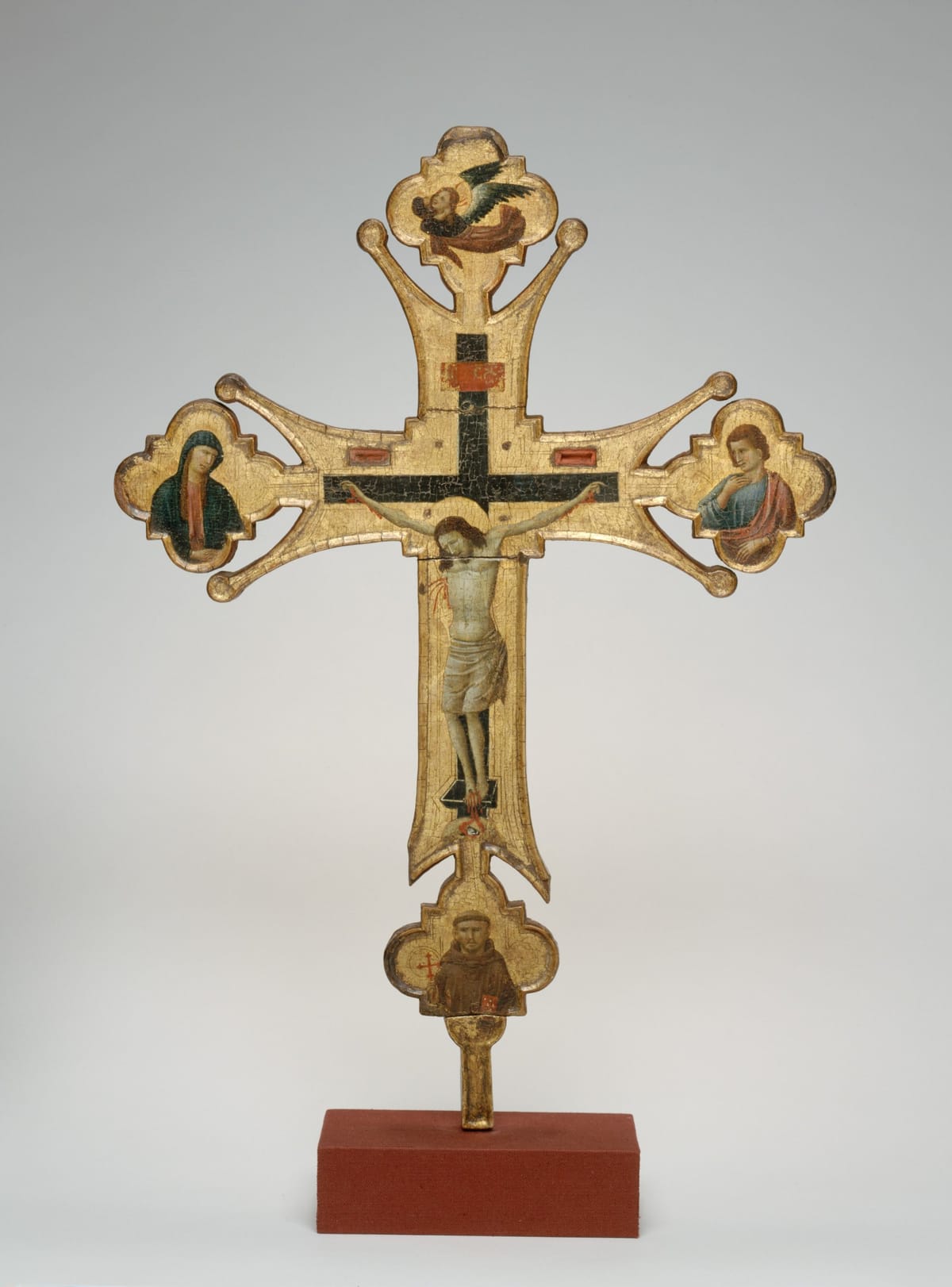
Medium: paint, gold and poplar wood. Dimensions: height: 25.8 cm (10.1 in); width: 20.3 cm (7.9 in).