Christ the King (2025) - Catholic Coloring Page
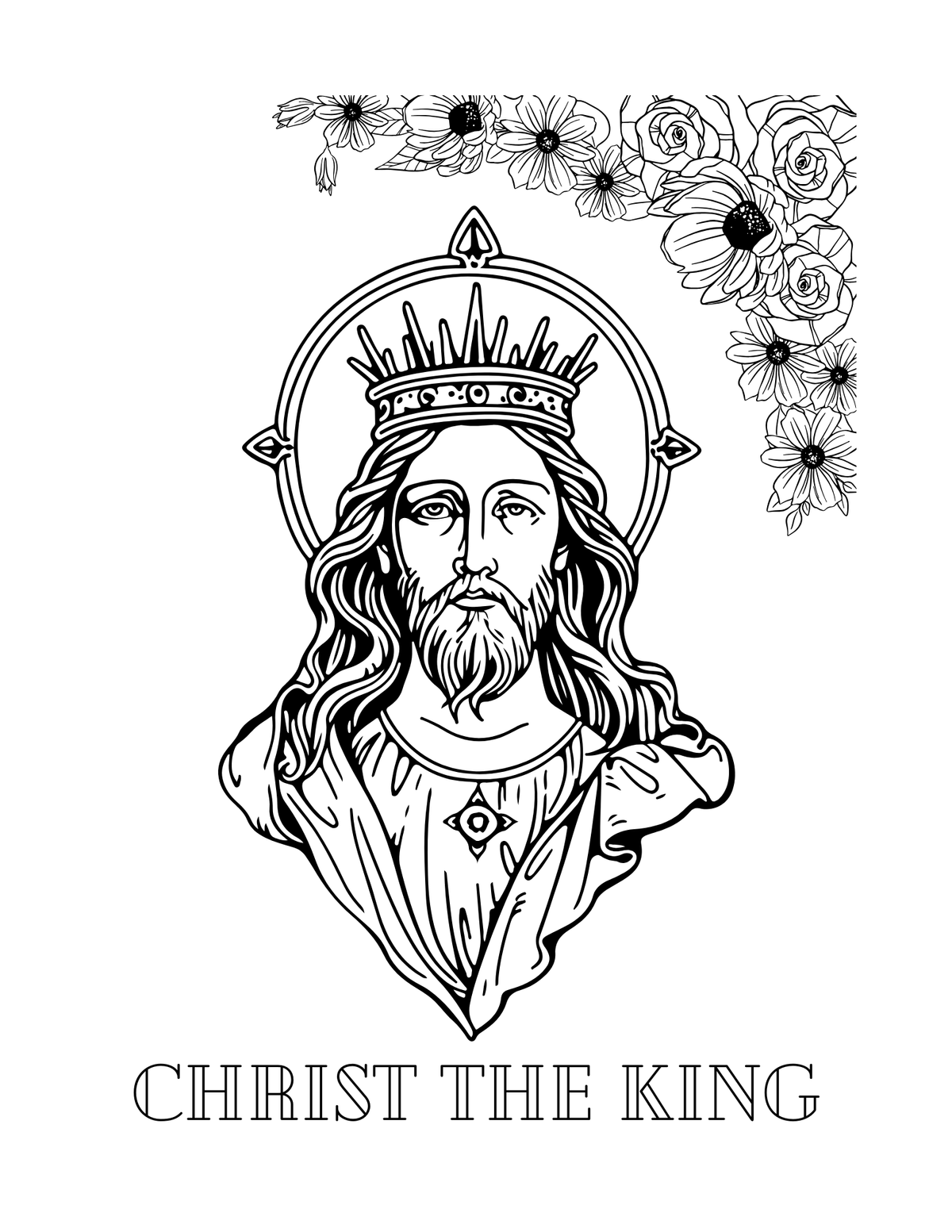
This line drawing utilizes established Christian iconography, presenting a crowned and haloed bust of Christ to represent his divine sovereignty in a simplified, accessible style.
This site's editor-in-chief is a Catholic husband, father, and author. He loves sharing the Catholic faith through art and graphic design. Check out his prayer books and coloring books on Amazon.com
This line drawing utilizes established Christian iconography, presenting a crowned and haloed bust of Christ to represent his divine sovereignty in a simplified, accessible style.
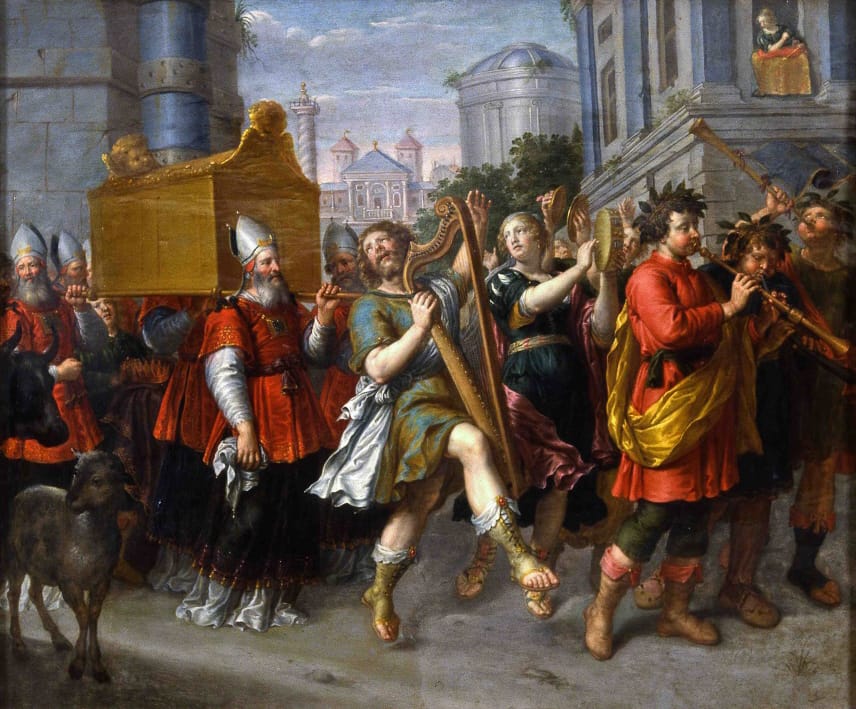
This painting depicts the biblical scene of King David bringing the Ark of the Covenant to Jerusalem, rendered with dynamic composition and rich detail characteristic of the Baroque period.
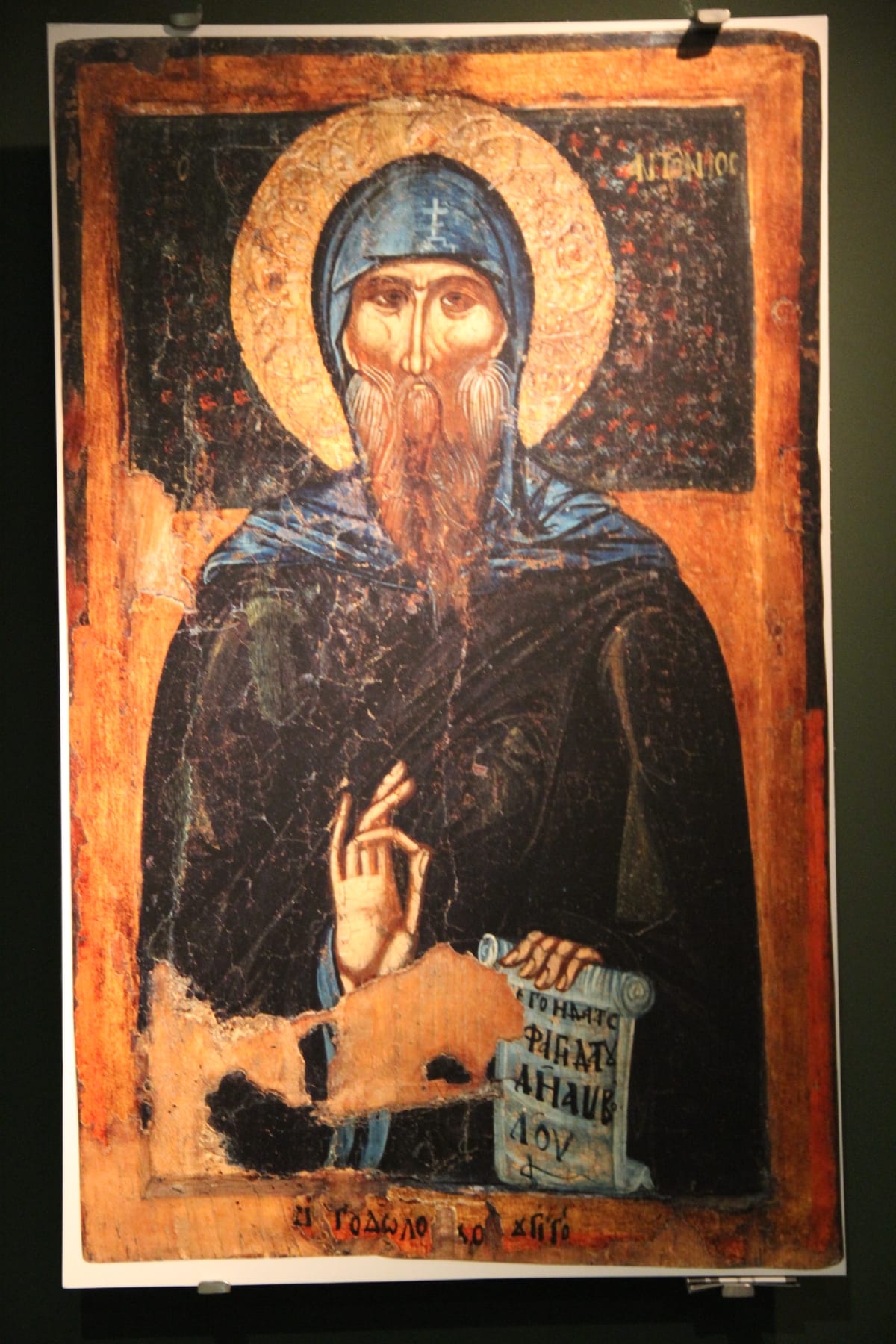
Saint Anthony the Great (also known as Saint Anthony of Egypt), who is often shown as an elderly monk with a long beard, wearing monastic robes, and sometimes holding a scroll containing his teachings or a passage from scripture. He is considered one of the fathers of Christian monasticism.
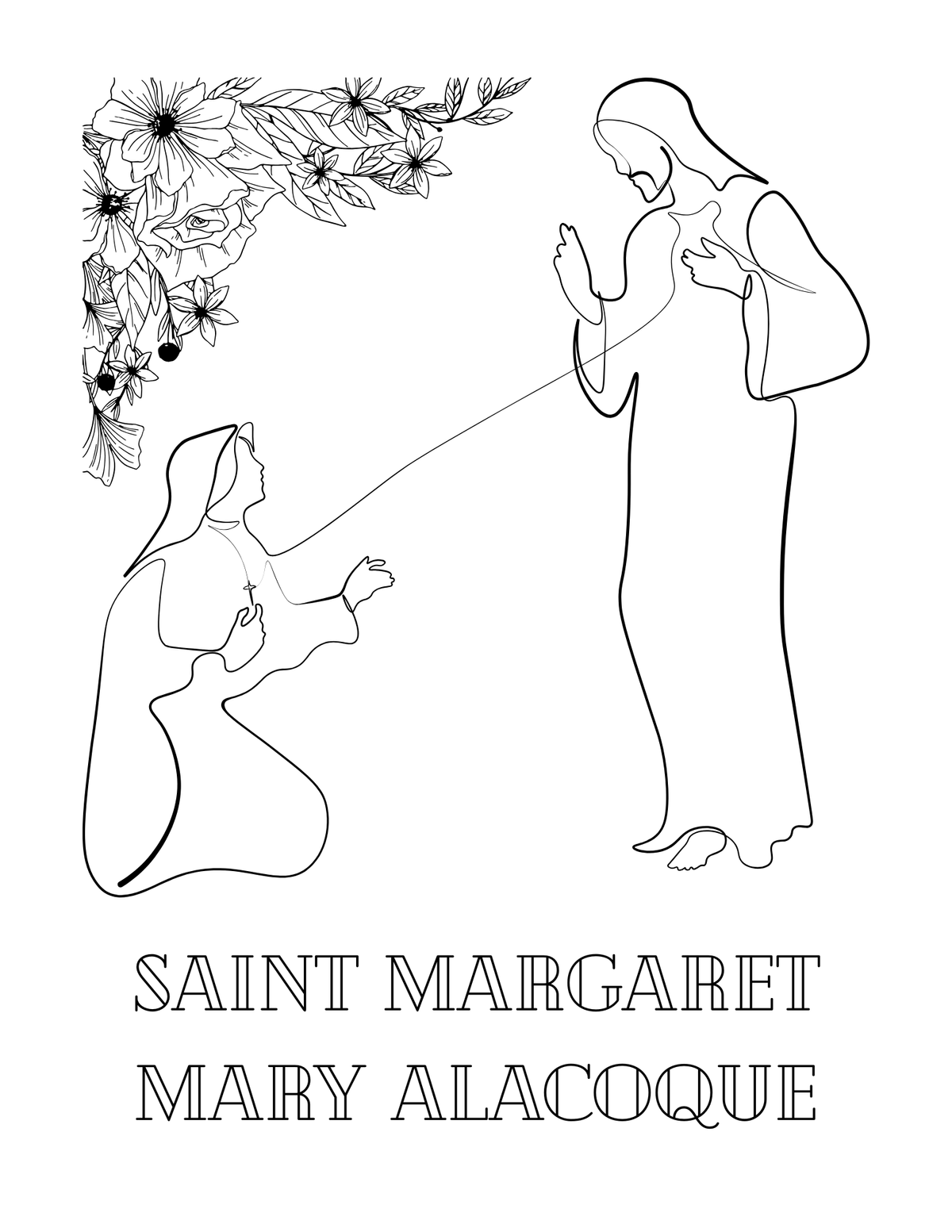
This minimalist line drawing portrays Saint Margaret Mary Alacoque experiencing a vision of the Sacred Heart of Jesus.
This Byzantine silver spoon features a pear-shaped bowl incised with a cross and a slender handle, typical of Late Roman or Byzantine tableware and potentially liturgical implements.
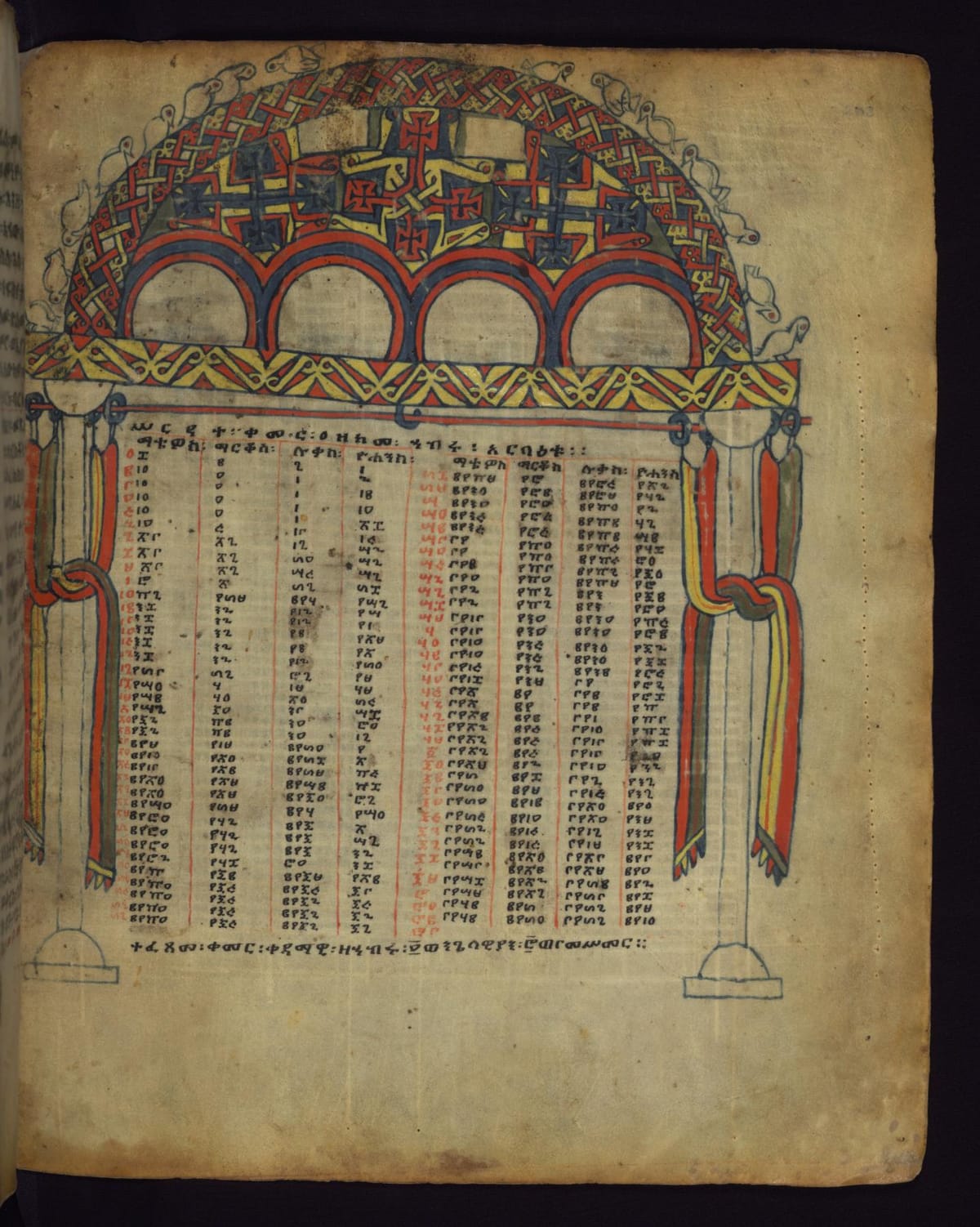
This illuminated canon table from an Ethiopian Gospel book employs Ge'ez script within a brightly colored, architectonic structure decorated with characteristic interlace patterns.
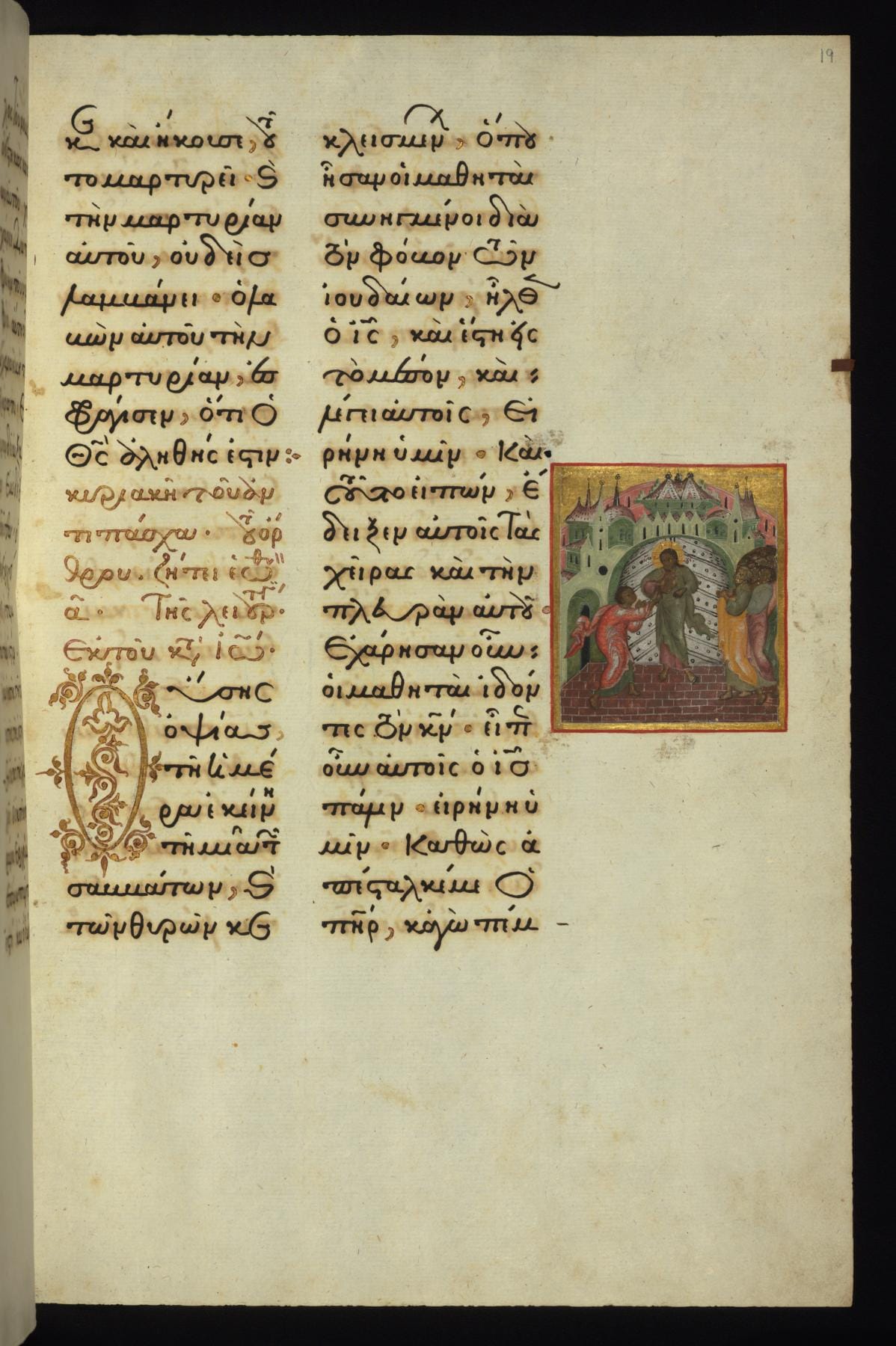
This illuminated manuscript page features Greek script alongside a figural miniature and an ornamented initial, characteristic of Byzantine or post-Byzantine book production. Luke the Cypriot (Λουκᾶς ὁ Κύπριος)was an accomplished Greek Orthodox scribe and calligrapher.
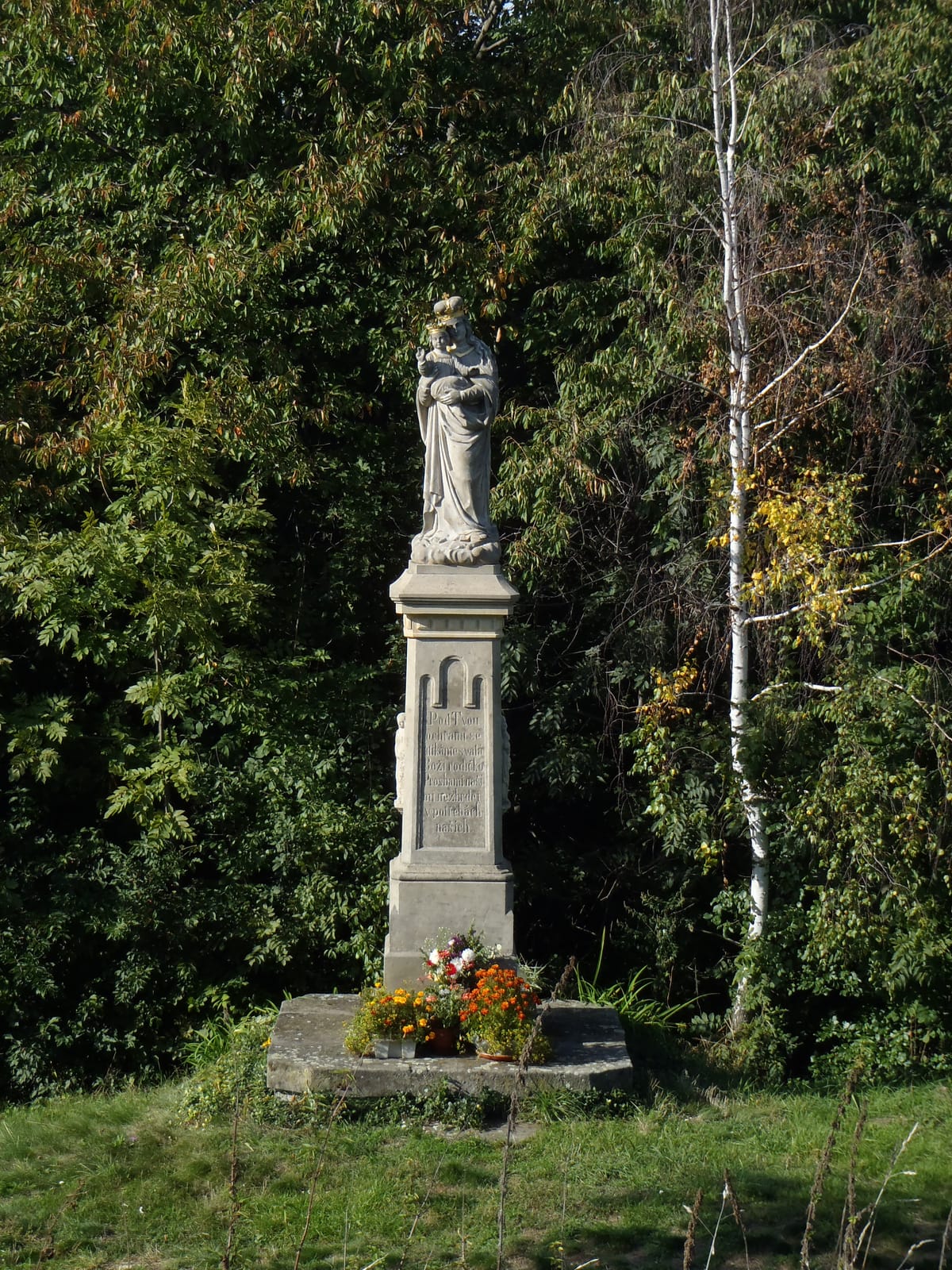
This outdoor devotional statue presents the Madonna and Child atop an inscribed plinth, typical of Marian columns or roadside shrines found throughout Central Europe.
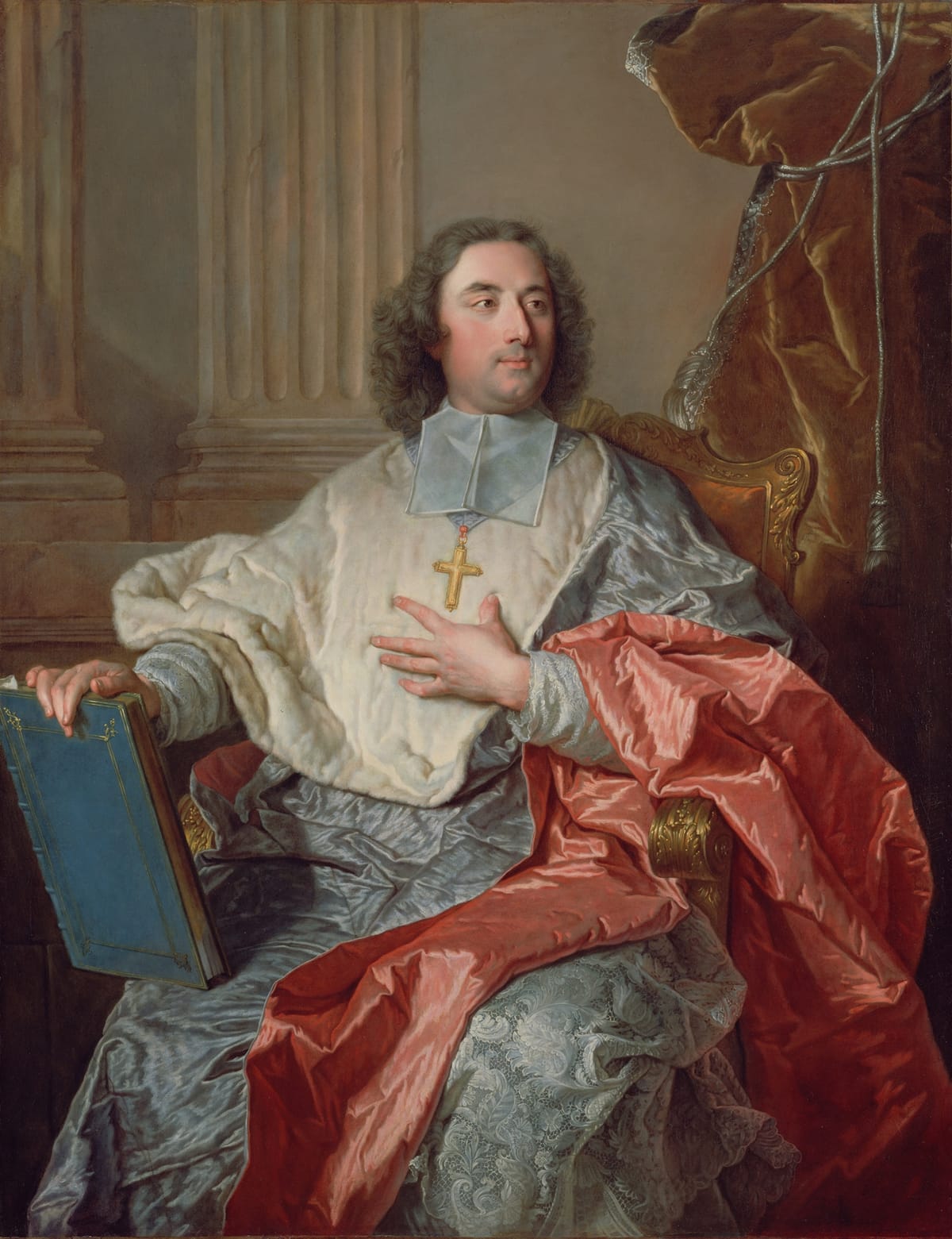
This formal portrait by Hyacinthe Rigaud presents Archbishop Charles de Saint-Albin with authoritative poise, utilizing opulent fabrics and symbols of ecclesiastical rank characteristic of the French Baroque grand manner.
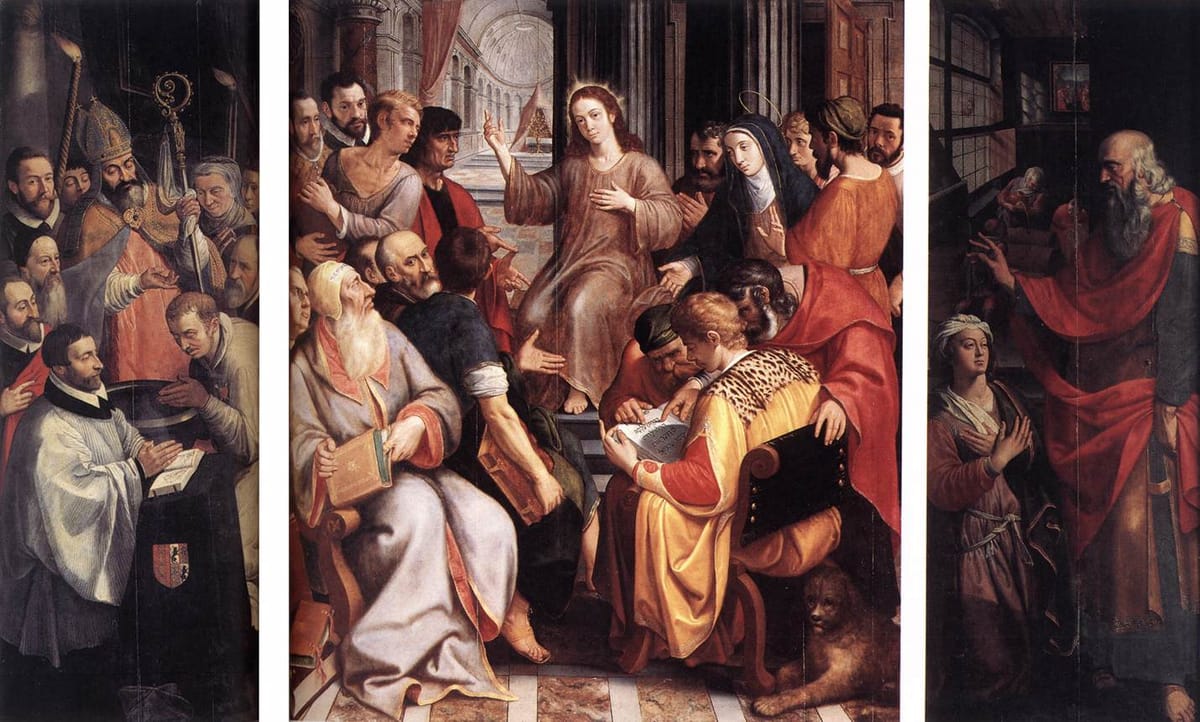
This early Baroque triptych by Frans Francken the Younger vividly depicts the biblical episode of the Finding of Jesus in the Temple, characterized by its crowded composition and detailed rendering of figures and architecture.
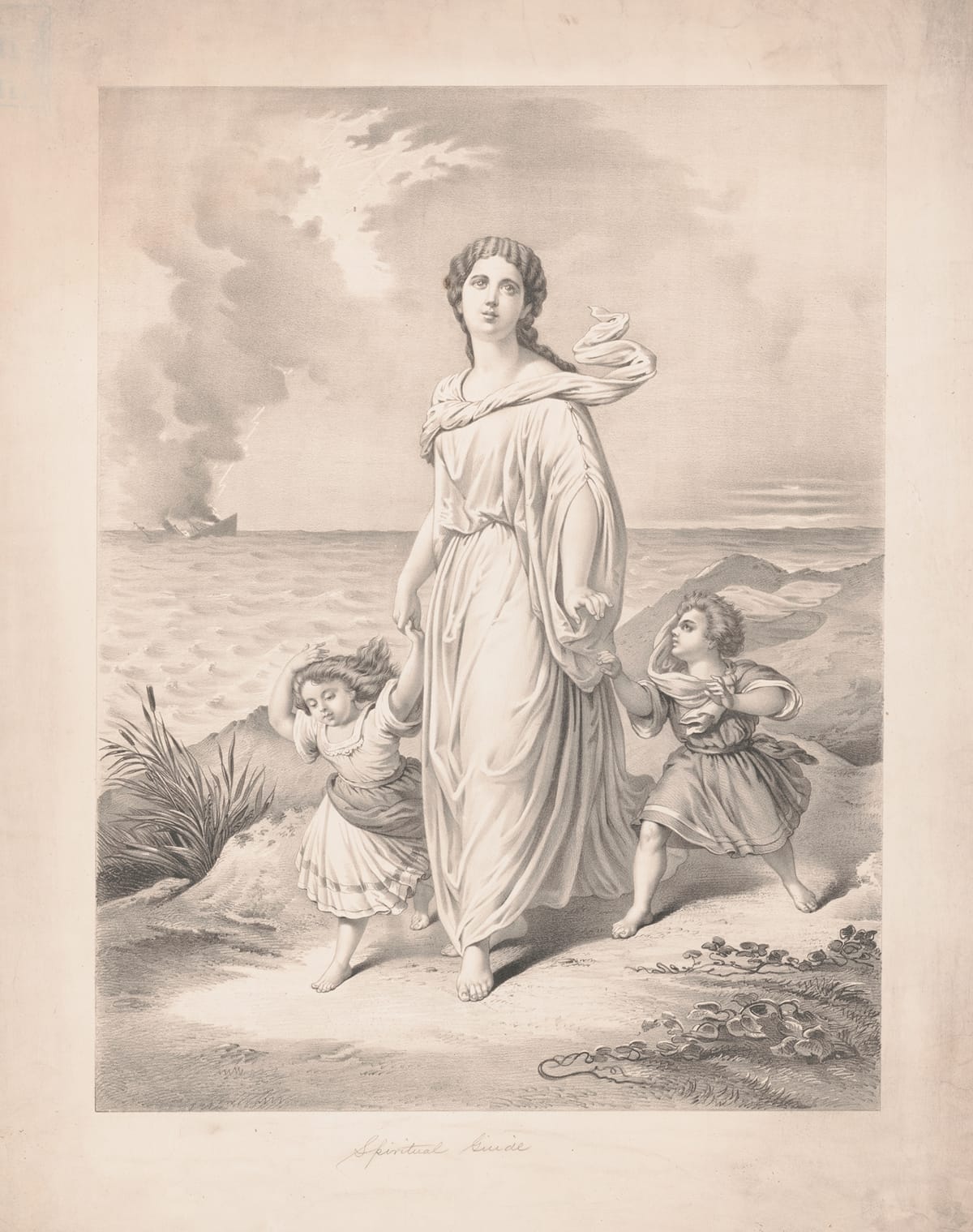
This image could be interpreted as an allegory of Mother Church guiding the faithful (represented by the children) through the turbulent trials of the world (symbolized by the stormy sea and shore).
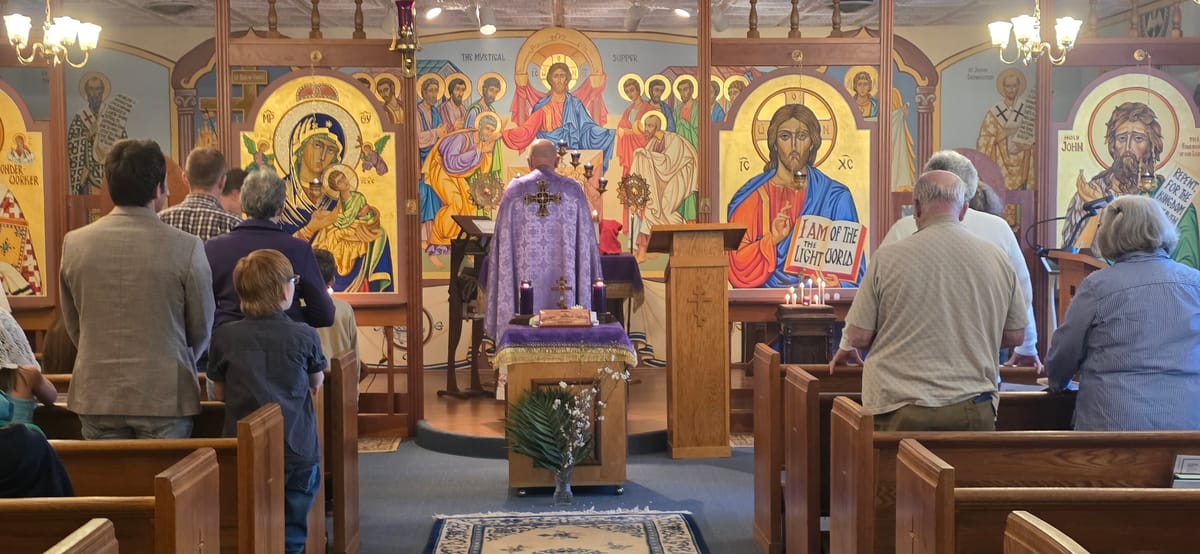
The Byzantine Catholic Great and Holy Wednesday Pre-Sanctified Liturgy is a solemn evening service (often celebrated in the morning for convenience) that combines Great Vespers with Holy Communion.
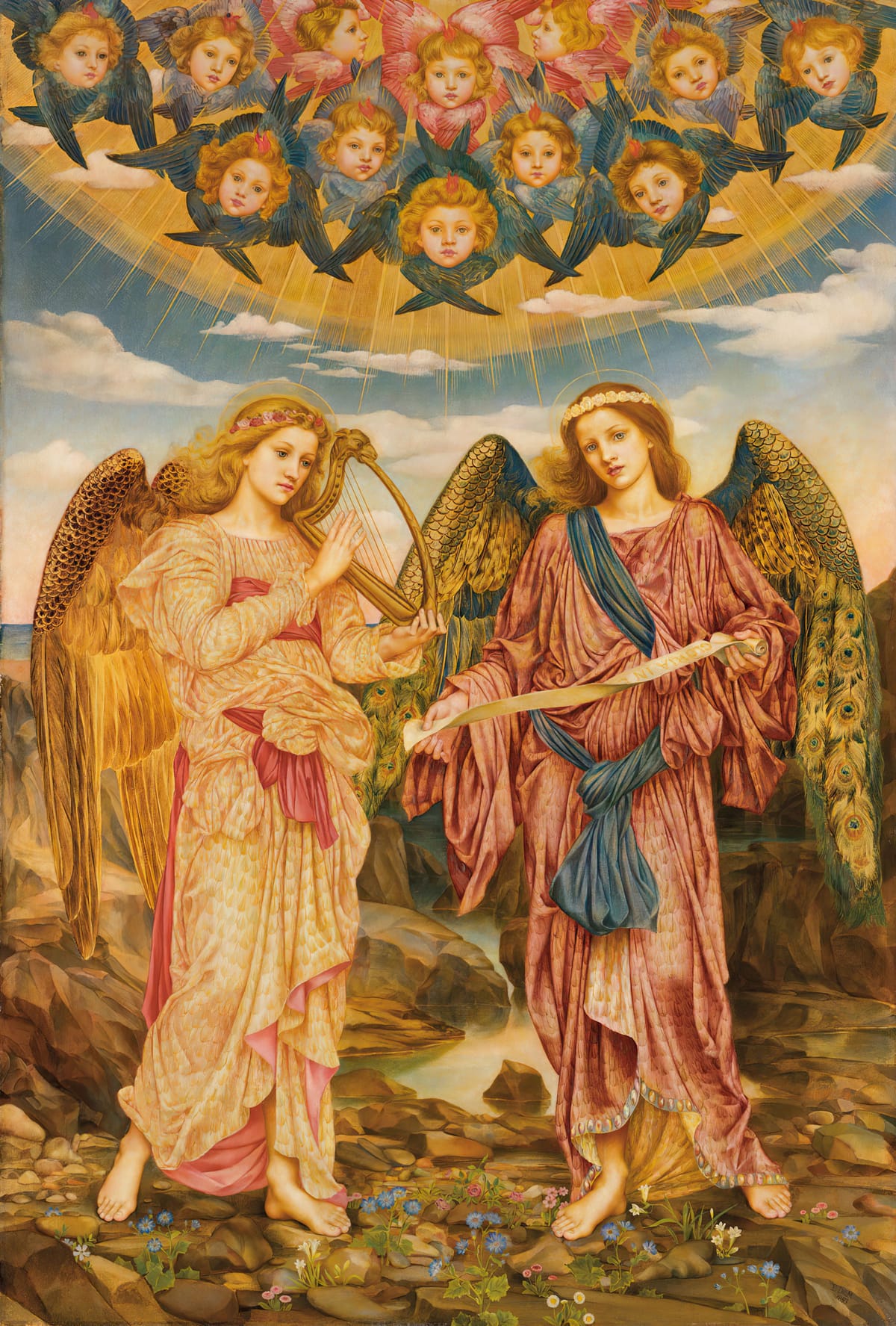
The Pre-Raphaelite painting "Gloria in Excelsis" shows two winged figures with a harp and scroll beneath radiant cherubs, evoking a scene of heavenly praise.
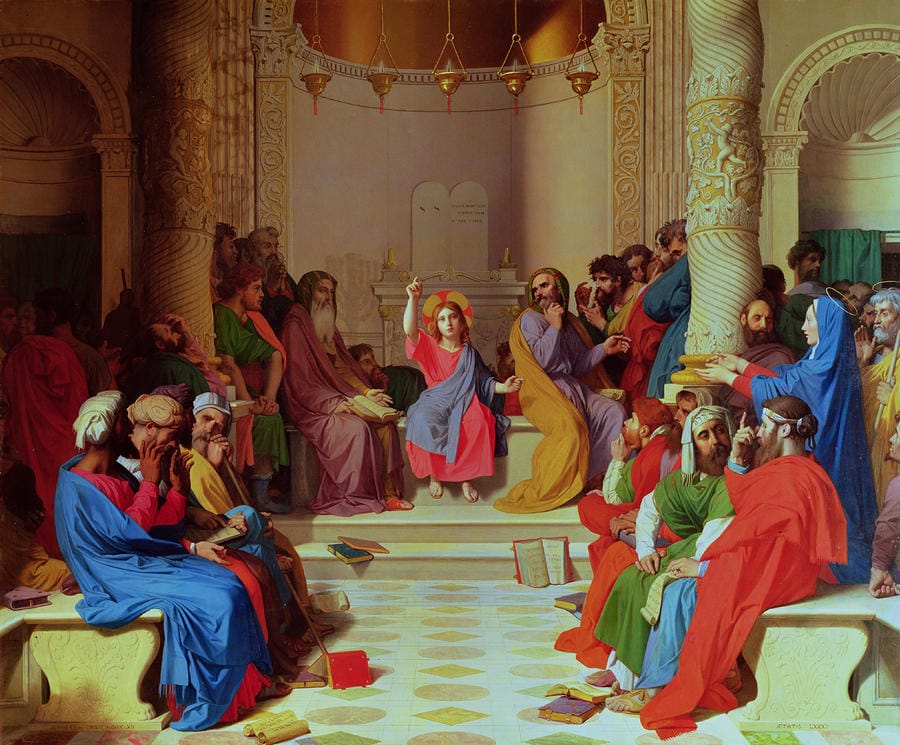
This Neoclassical painting by Jean-Auguste-Dominique Ingres depicts the biblical episode of the young Jesus debating with learned scholars in the Temple of Jerusalem, showcasing a central theme of wisdom and precociousness.
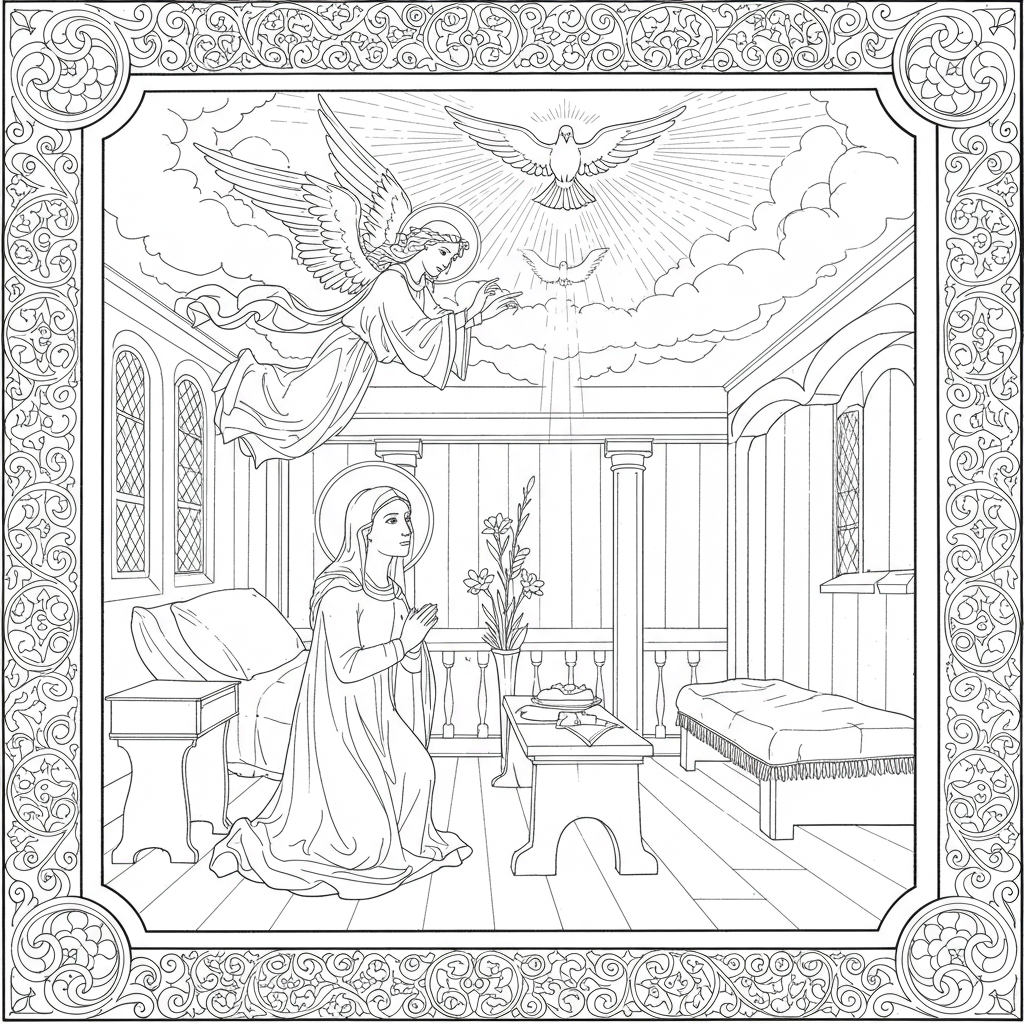
An AI generated coloring page showing the Annunciation: Mary kneels before an angel and a descending dove.
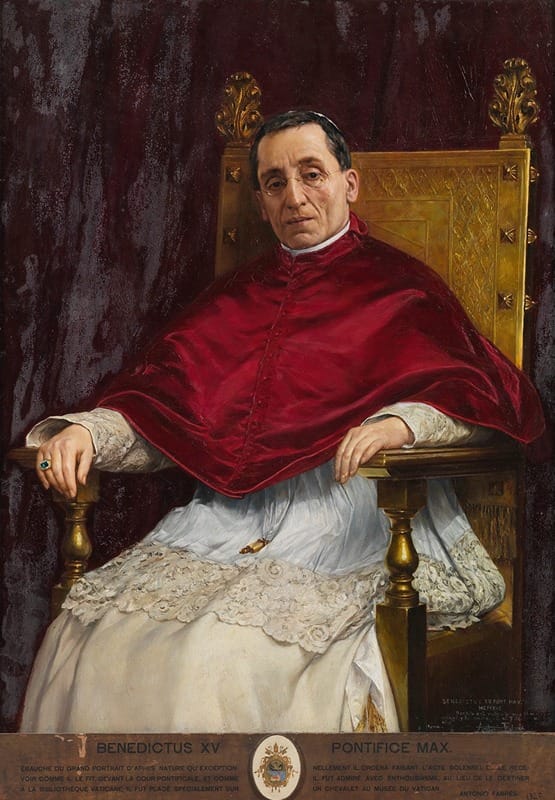
The painting is a formal and dignified portrait of Pope Benedict XV. It captures his authority and status while also conveying a sense of his humanity. The artist's skill in rendering the textures and details of the clothing and chair adds to the overall richness of the image.
Hesse, a French painter born in 1795, was known for producing stained glass designs, portraits, and large-scale religious compositions. He was decorated in 1840 for his contributions to art and later became a member of the Institut, succeeding Eugène Delacroix in 1863.
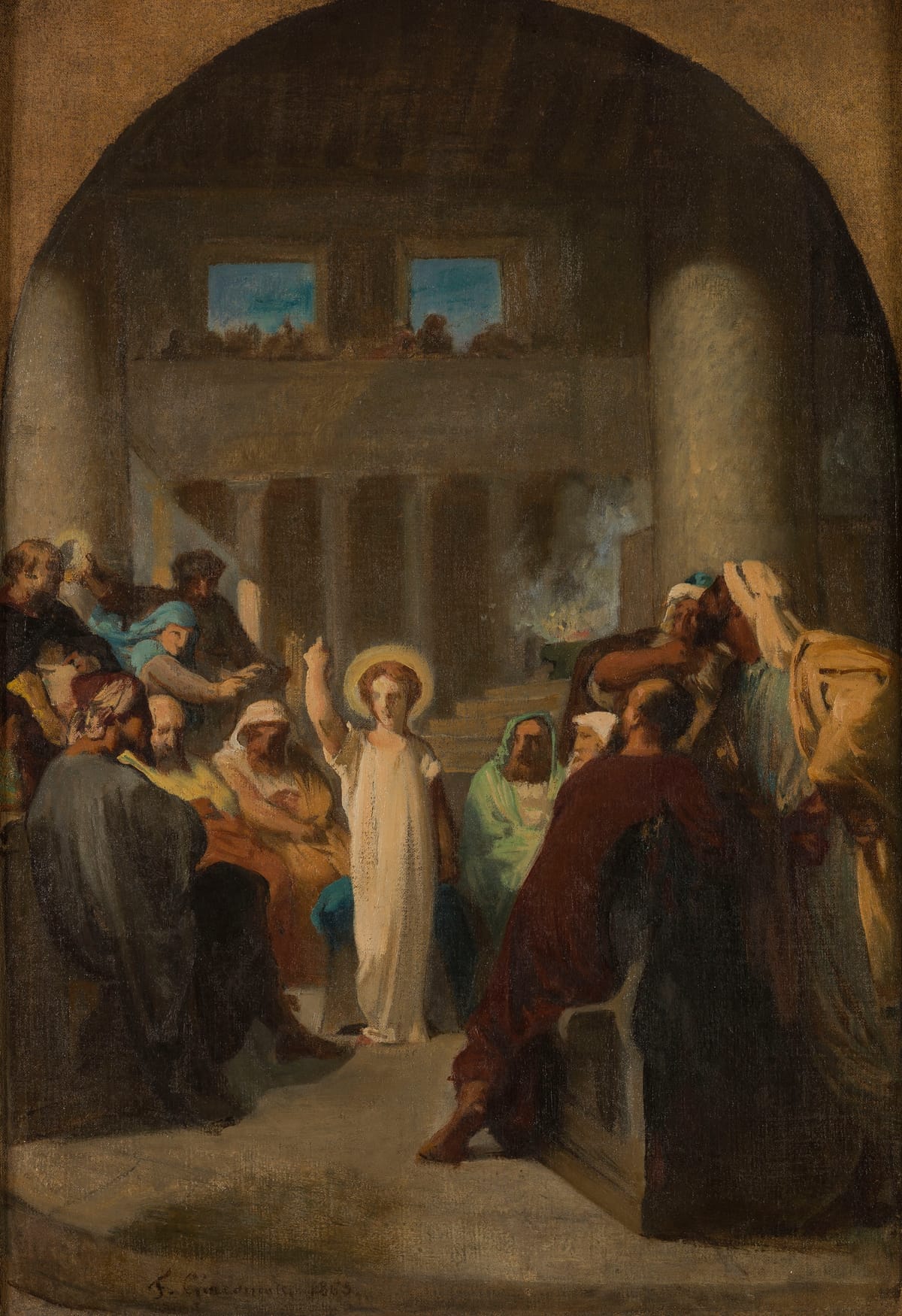
Giacomotti's "Jésus chez les docteurs" (1865) depicts the biblical scene of 12-year-old Jesus discussing scripture with scholars in the temple. The painting showcases the young Jesus's wisdom as he engages with elders, emphasizing his divine knowledge despite his youth.
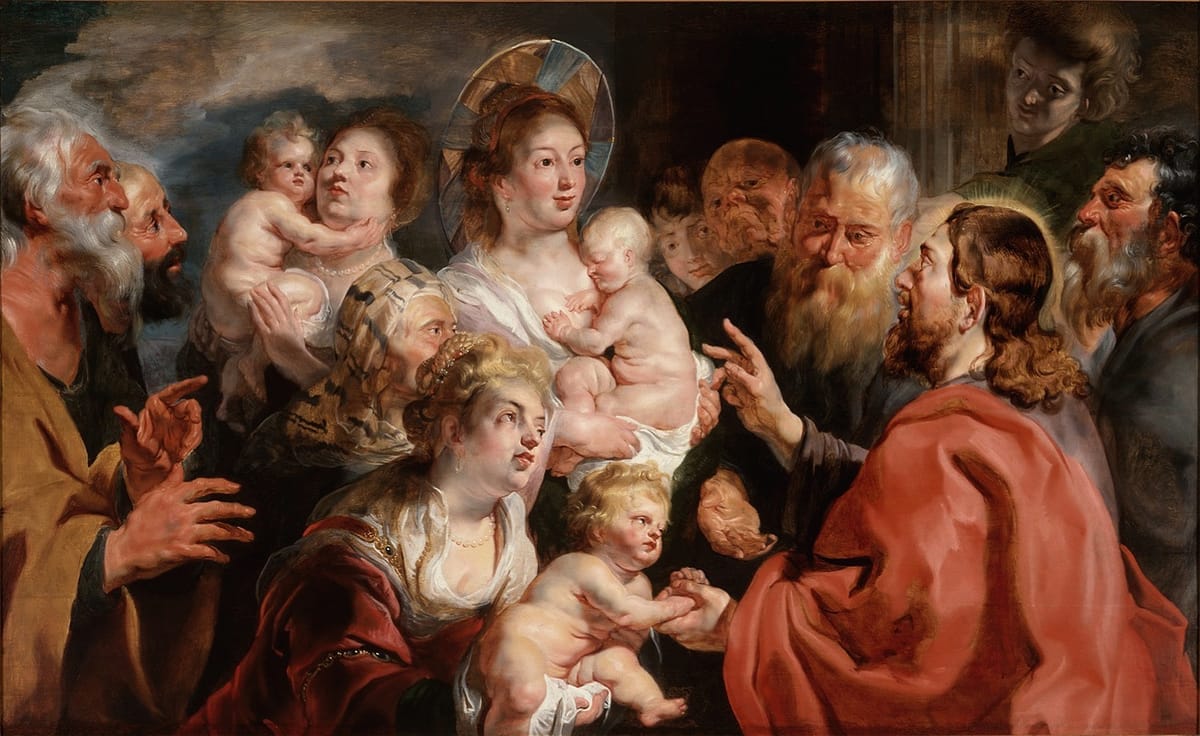
Suffer the Little Children to Come Unto Me (1615–16) is an oil-on-panel painting by Jacob Jordaens, a prominent Flemish Baroque artist. The artwork illustrates the biblical passage from Mark 10:13–16, where Jesus blesses children brought to him by their parents.
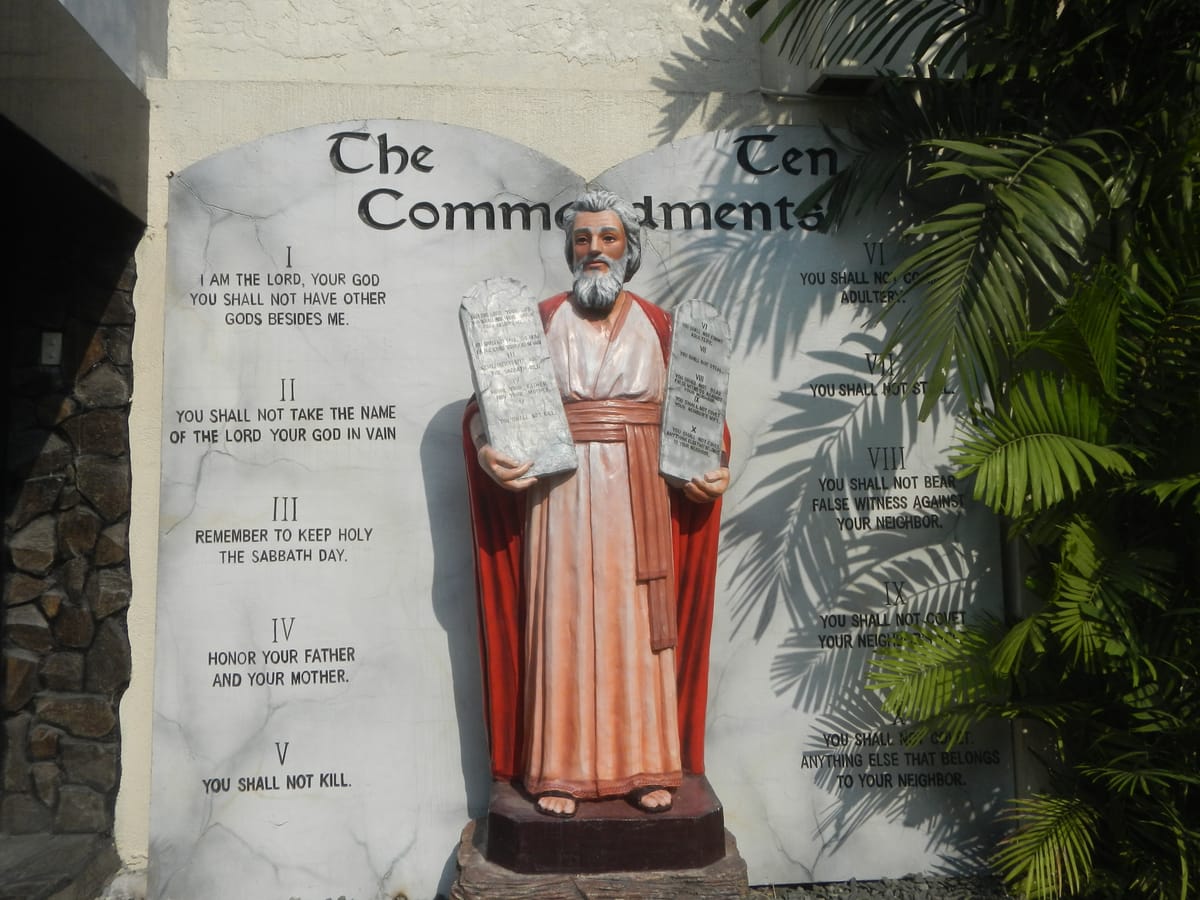
The Philippines features impressive Catholic statues. This one, of Moses holding the Ten Commandments, symbolizes a rich historical and religious heritage. This awe-inspiring sculpture draws visitors for its intricate artistry.
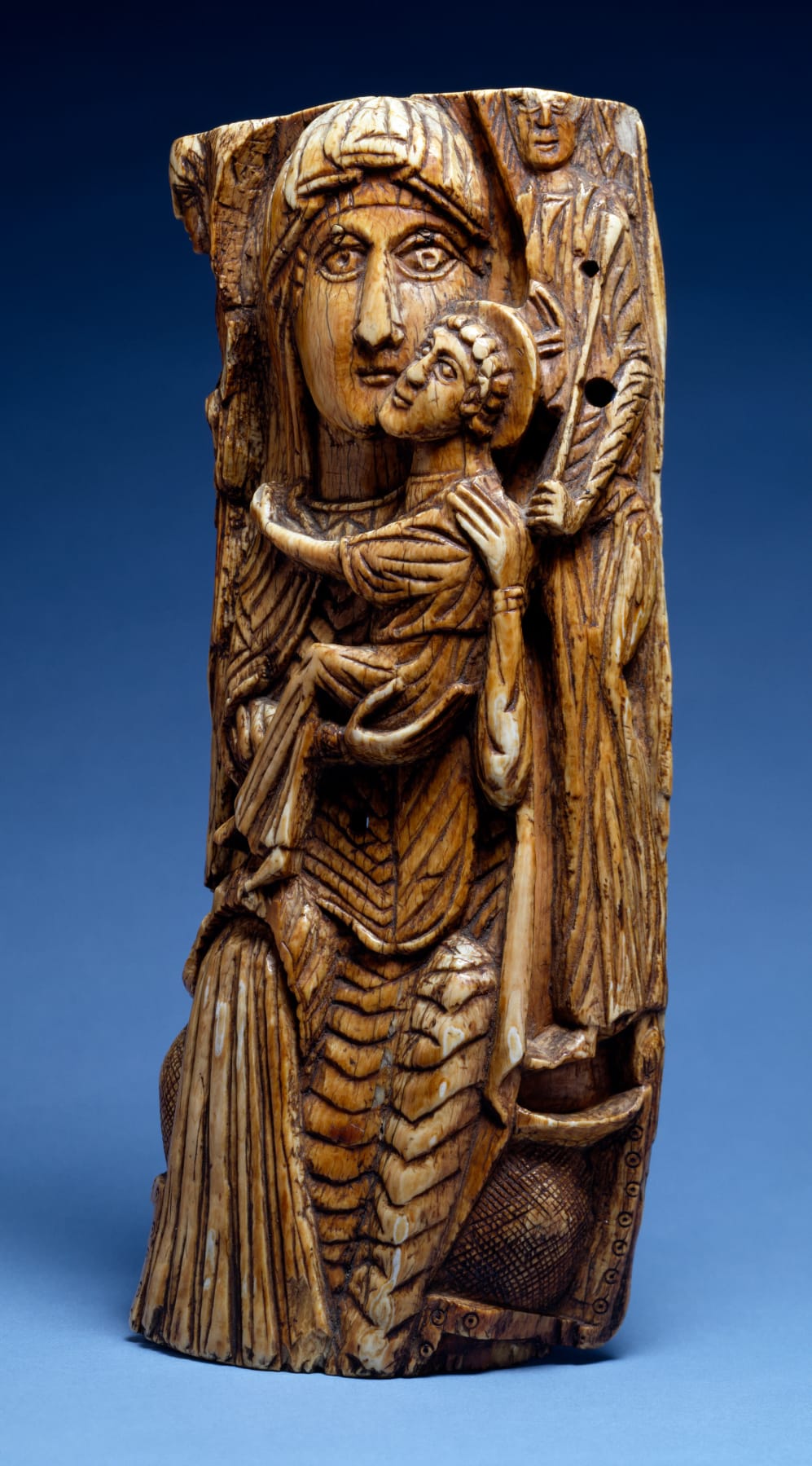
This large ivory carving, shaped like a tusk, depicts the Christ Child embracing his mother in a tender pose. It’s an early example of Eleousa, or “Virgin of Tenderness,” used for private devotion in Christian Egypt, notable for the Virgin’s large head, fixed gaze, and angular drapery.
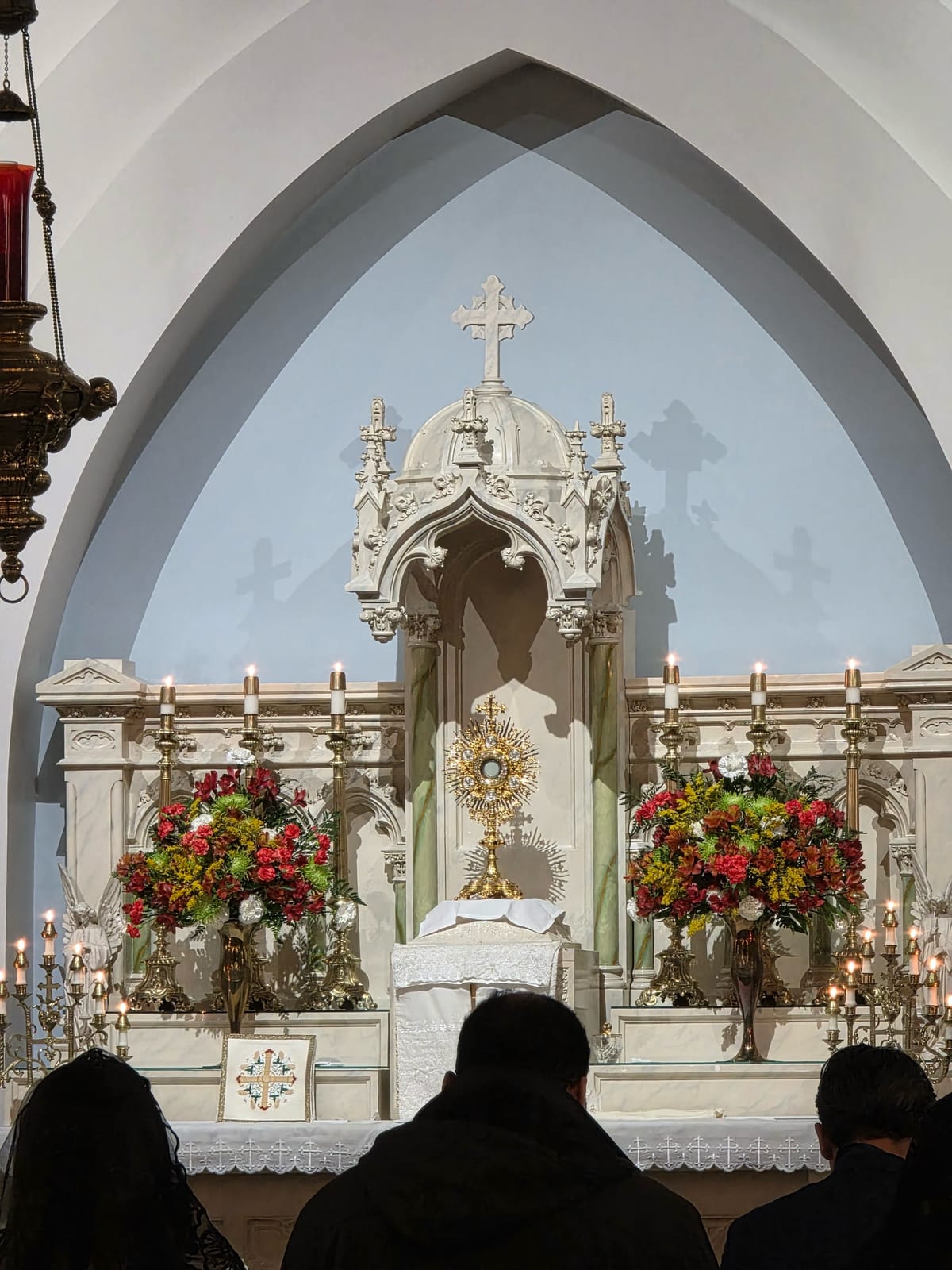
Exposition of the Blessed Sacrament during a Benediction service involves displaying the consecrated Host in a monstrance for adoration. The congregation kneels and sings, and the priest incenses the monstrance. Silent prayer, structured prayers, Scripture readings, or a homily may follow.
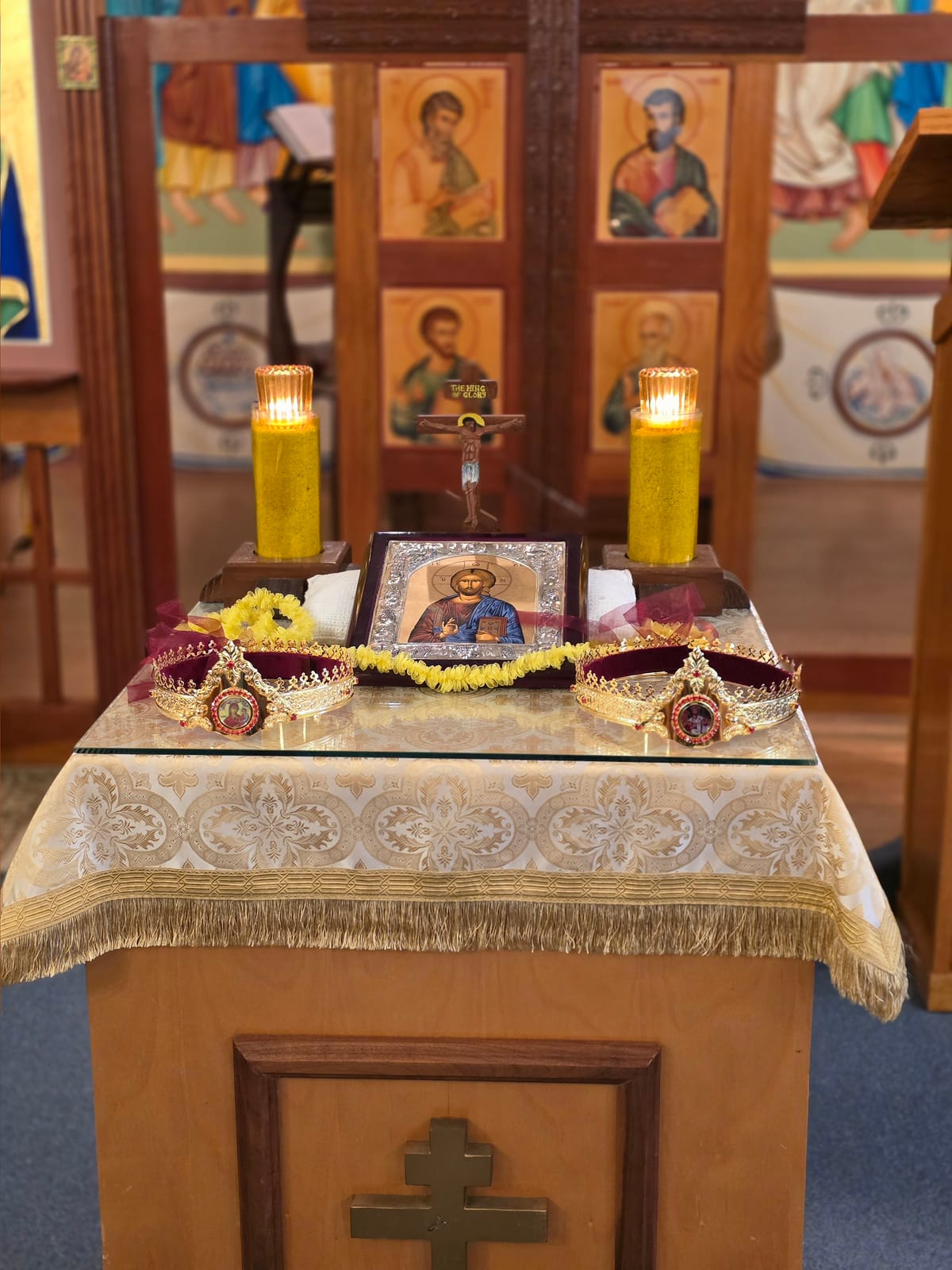
The Rite of Matrimony, or Mystery of Crowning, is a sacred ceremony with key elements: betrothal, exchange of vows, crowning, blessing, and procession. The crowning, introduced in 1646, places crowns on the couple, symbolizing their status as “king and queen” of their new family.
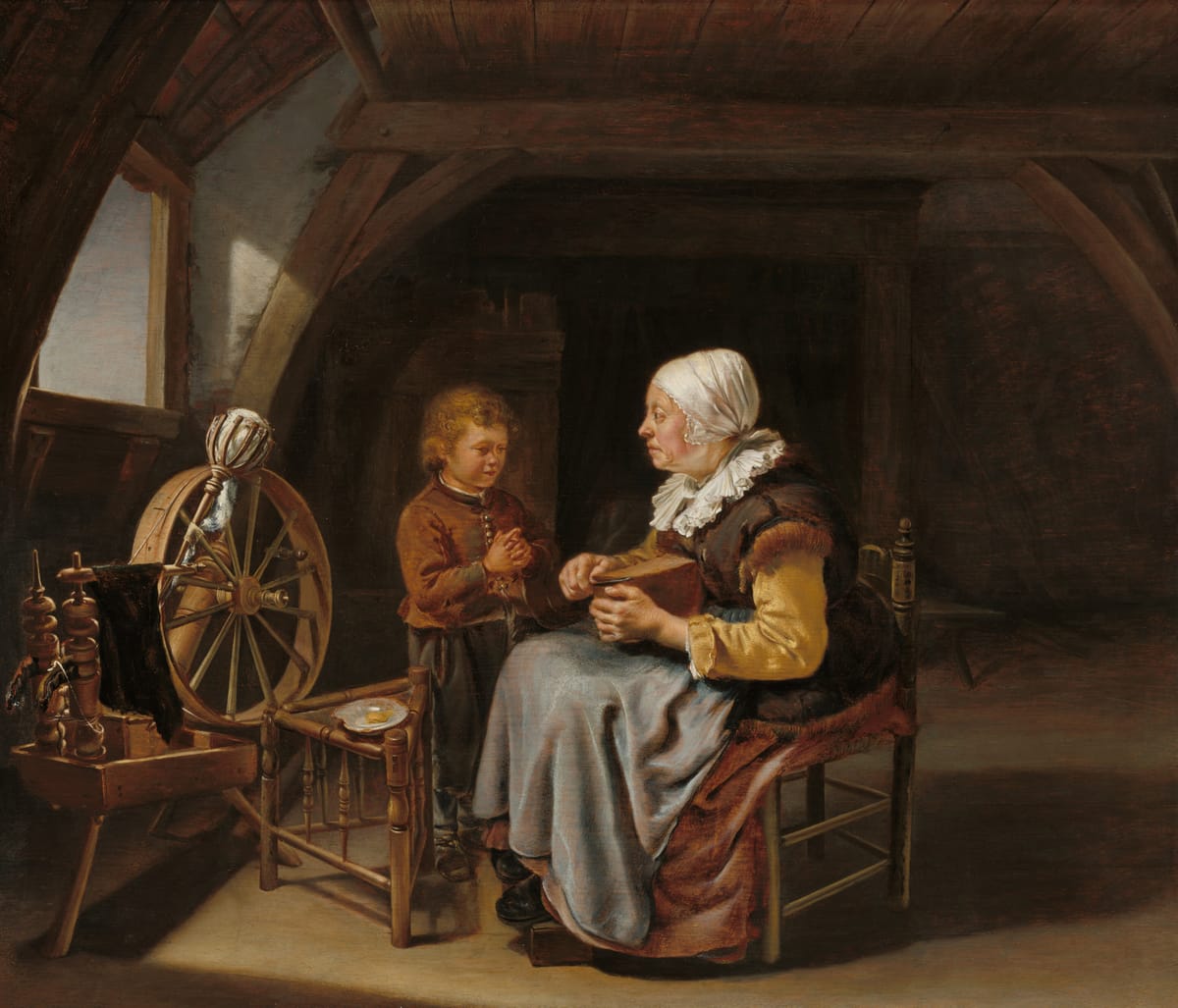
This oil on panel artwork depicts a domestic scene of a family praying before a meal, showcasing van Mieris' mastery of the fijnschilder style, characterized by meticulous detail and a sparkling play of light. It portrays an intimate everyday moment of Dutch life in the 17th century.