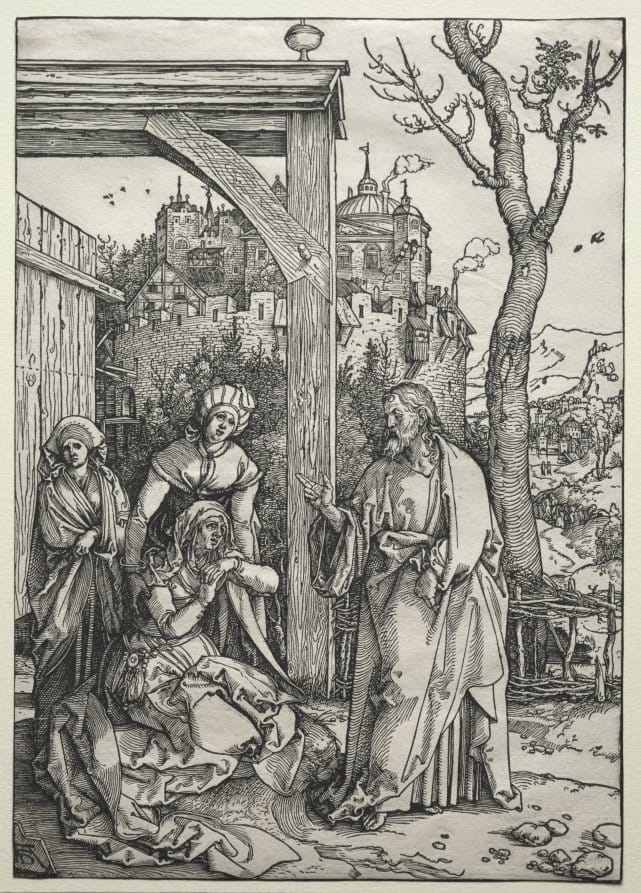
Christ Taking Leave of His Mother (c. 1504–1505) by Albrecht Dürer - Public Domain Catholic Painting
Germany, early 16th Century. Medium: Woodcut
Germany, early 16th Century. Medium: Woodcut
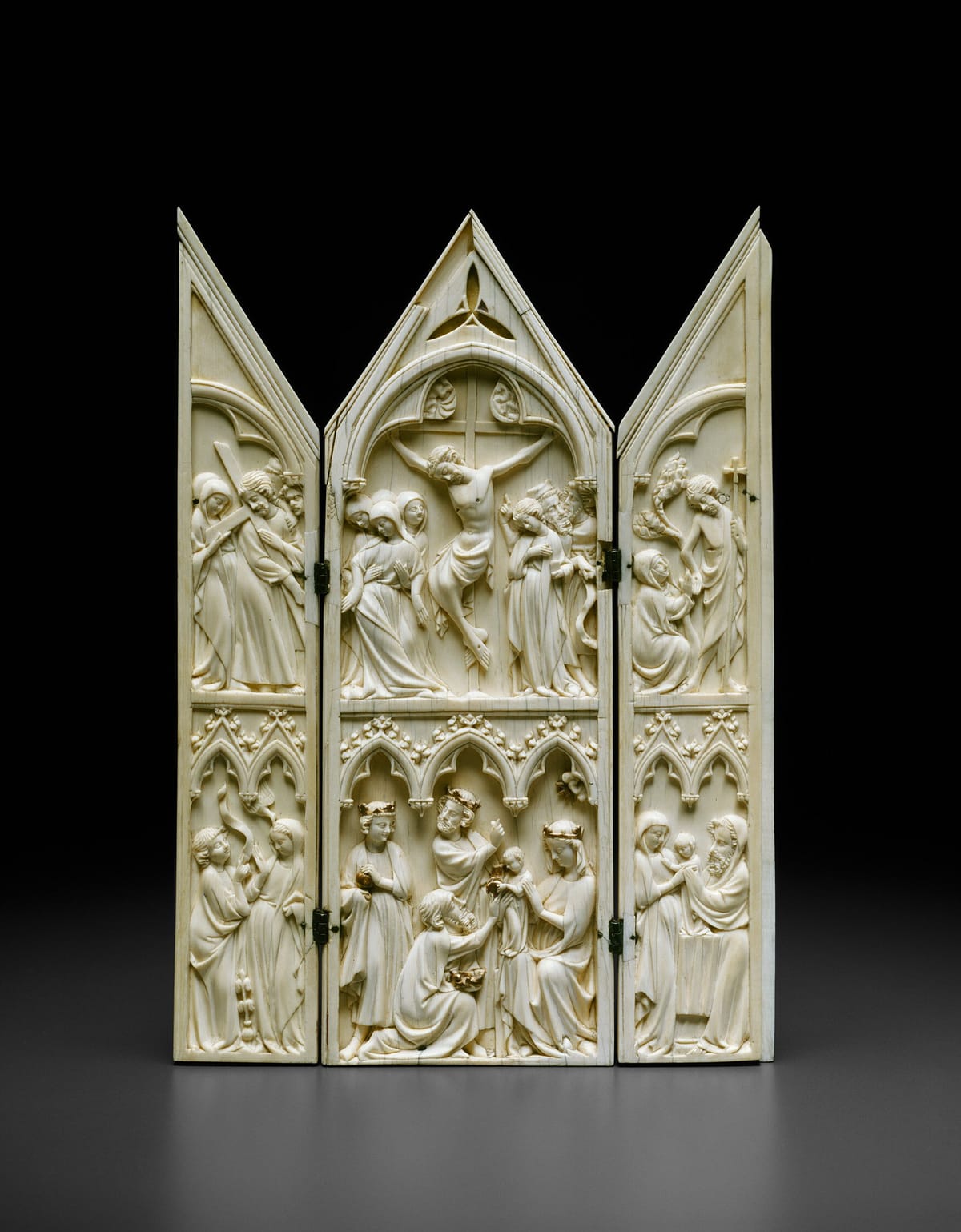
This triptych features scenes from the infancy and Passion of Christ, arranged in a chronological sequence from left to right, starting at the bottom with the Annunciation, the Adoration of the Magi, and the Presentation in the Temple.
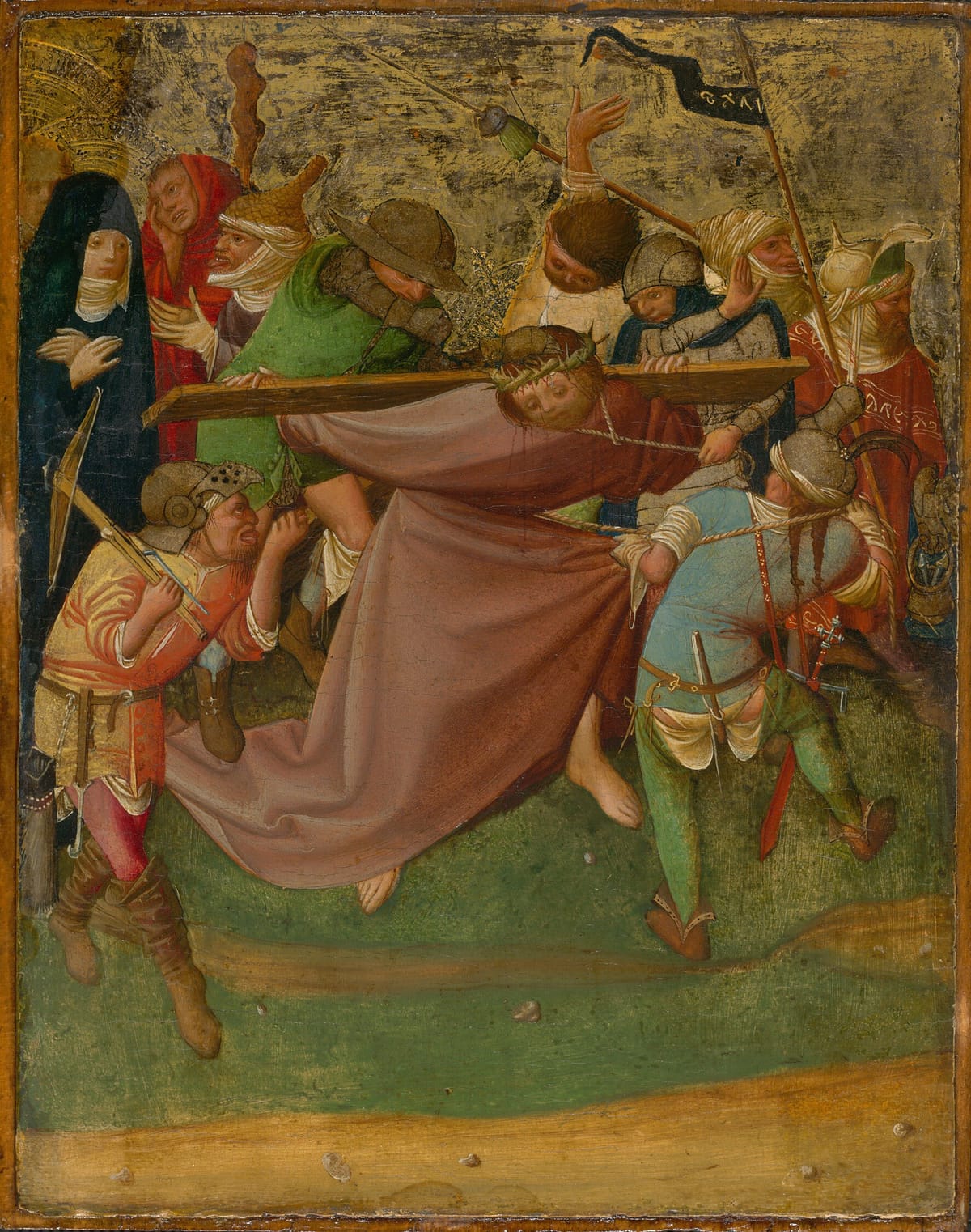
Brutal tormentors surround the suffering figure of Jesus as he carries his cross to Calvary, the site of his crucifixion. In the upper-left corner, his mother, Mary, and her companion are also reviled by the crowd.
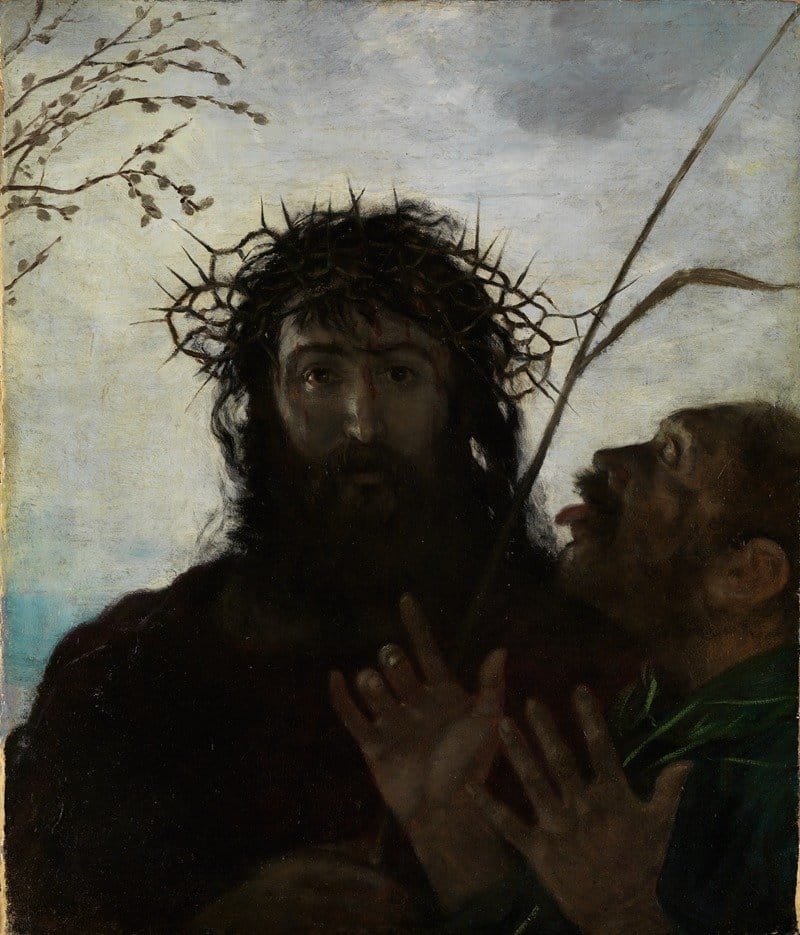
Hans Thoma was a German painter. He was born on 2 October 1839 in Bernau, Grand Duchy of Baden, in the Black Forest, Germany. He was the son of a miller and was trained in the basics of painting by a painter of clock faces.
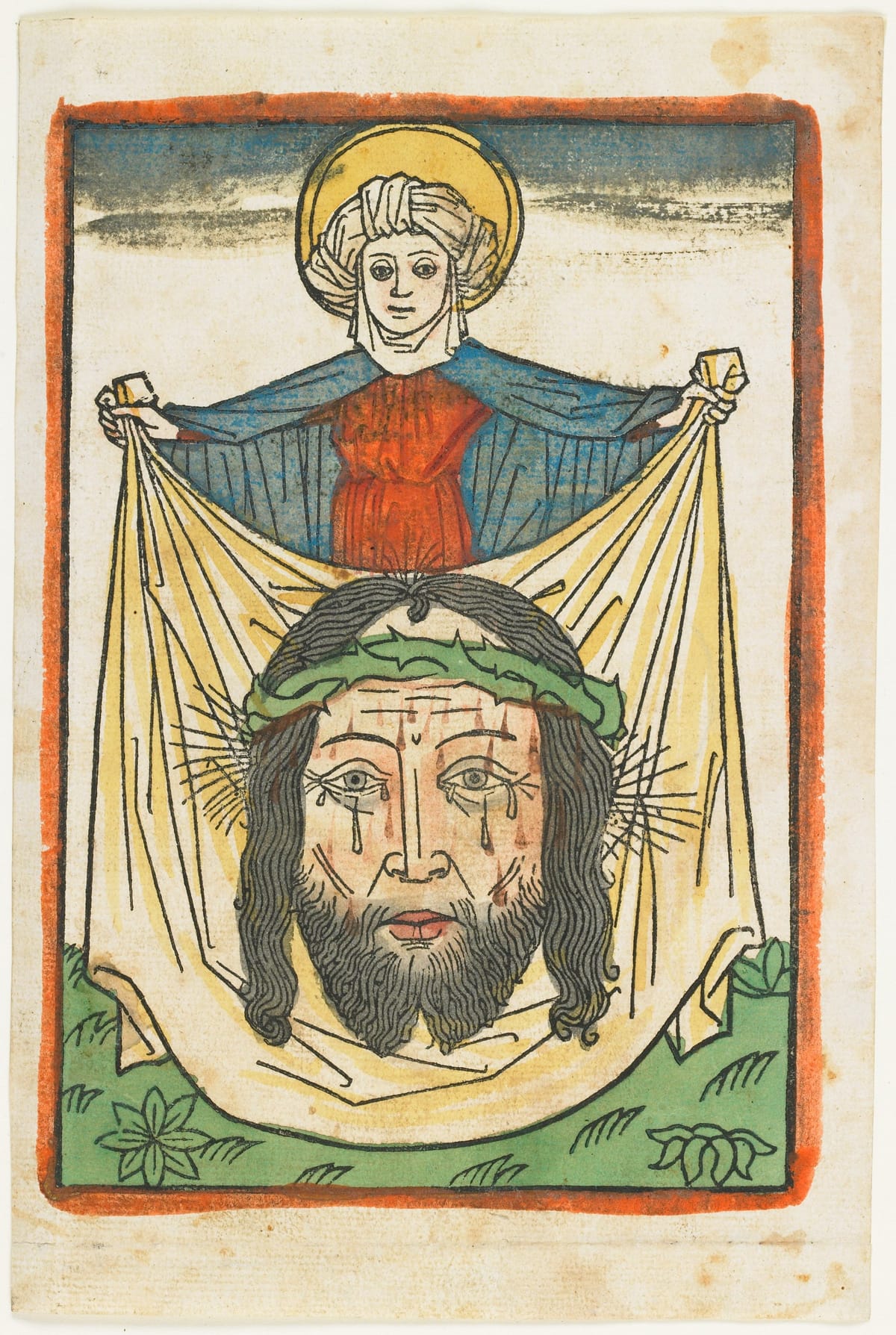
According to legend, Veronica pitied Jesus as he carried his cross to Calvary and offered him her kerchief, or sudarium, which miraculously retained the imprint of Jesus' face after he wiped his brow. The cloth presumed to have been Veronica's-her name means vera icon, or true...
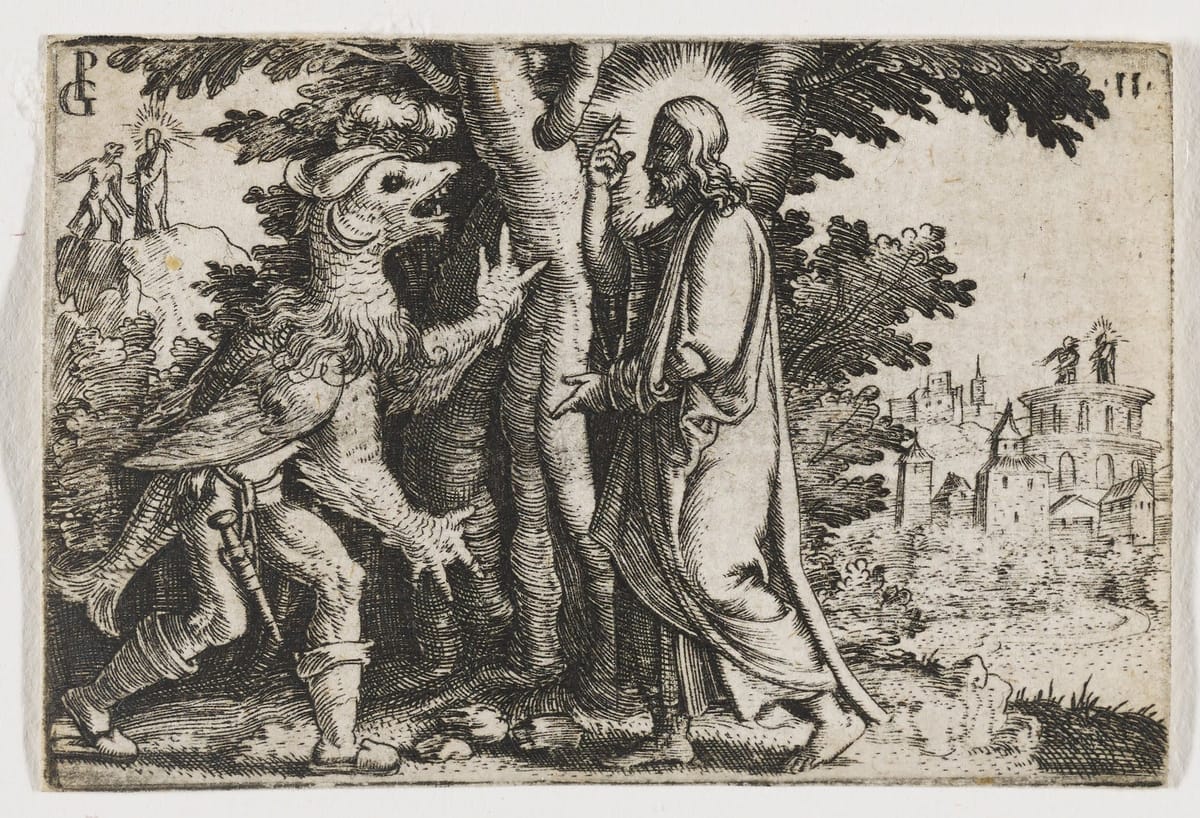
Figuring Jesus would be worn down after 40 days and 40 nights of fasting, Satan tempts him three times (Matthew 4:1-11). Eagle-eyed viewers will find all three narrated here: Satan taunts Jesus to turn stones into bread to satisfy his hunger, plunge off a temple and be...
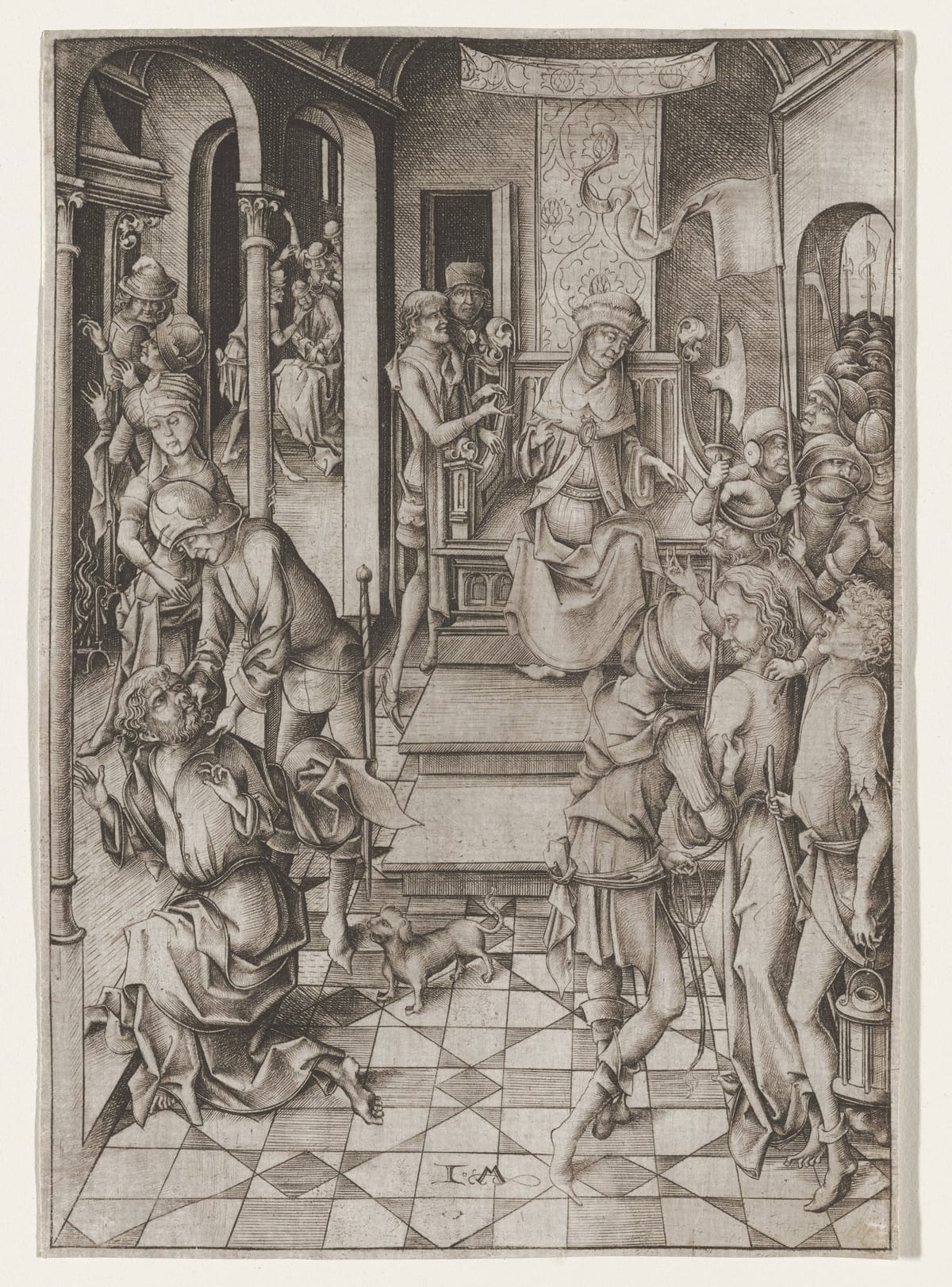
This plate from Israhel van Meckenem’s “Passion” series, illustrating Christ’s trials and triumph, incorporates three events. According to the Gospel of John, after Jesus’s arrest, he was first taken to the powerful politician Annas, for questioning. At left, the disciple Peter has been apprehended, but he raises...
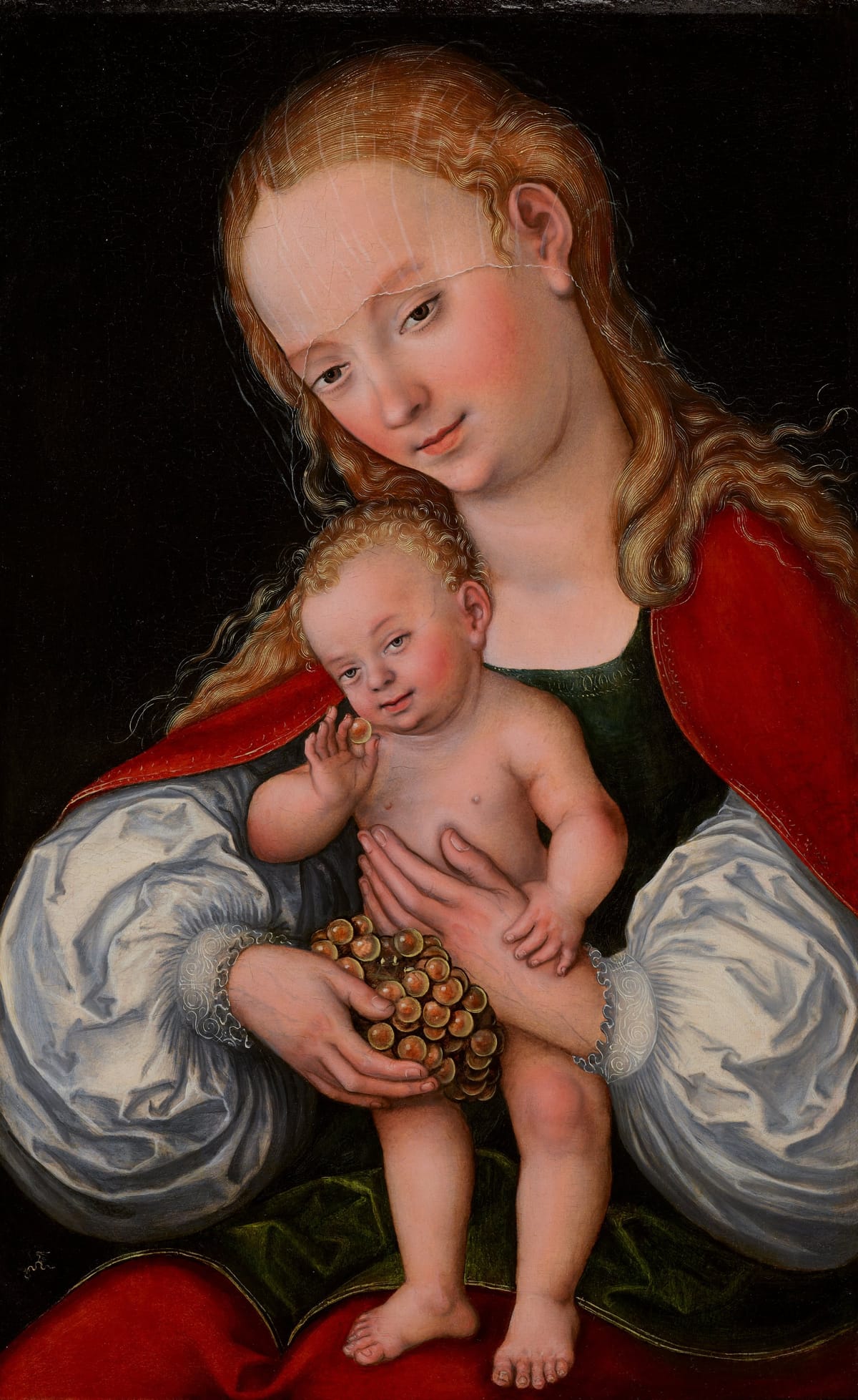
Lucas Cranach the Elder worked in a time of religious upheaval. Martin Luther (a close associate of Cranach) led the Protestant Reformation challenging the Catholic Church, arguing that man could have a direct relationship with God without the need for a priest to intermediate. Cranach adapted familiar Catholic imagery to...
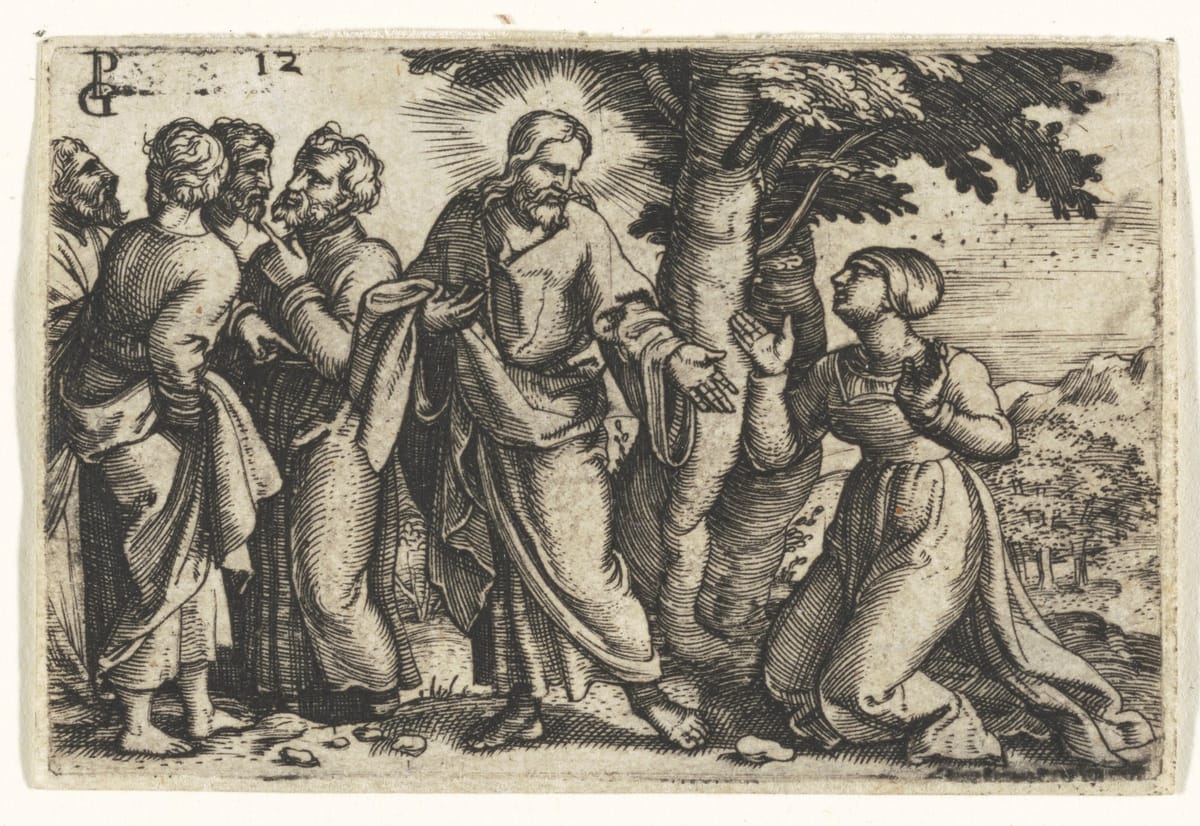
Jesus and the Woman Taken in Adultery: – Jesus saving a woman from accusers by challenging their sin (Gospels: John 8). Georg Pencz: 16th-century German artist, known for detailed Northern Renaissance engravings and religious paintings. Free DownloadThis image is in the public domain.download.jpg670 KBdownload-circle Please SUBSCRIBE or...
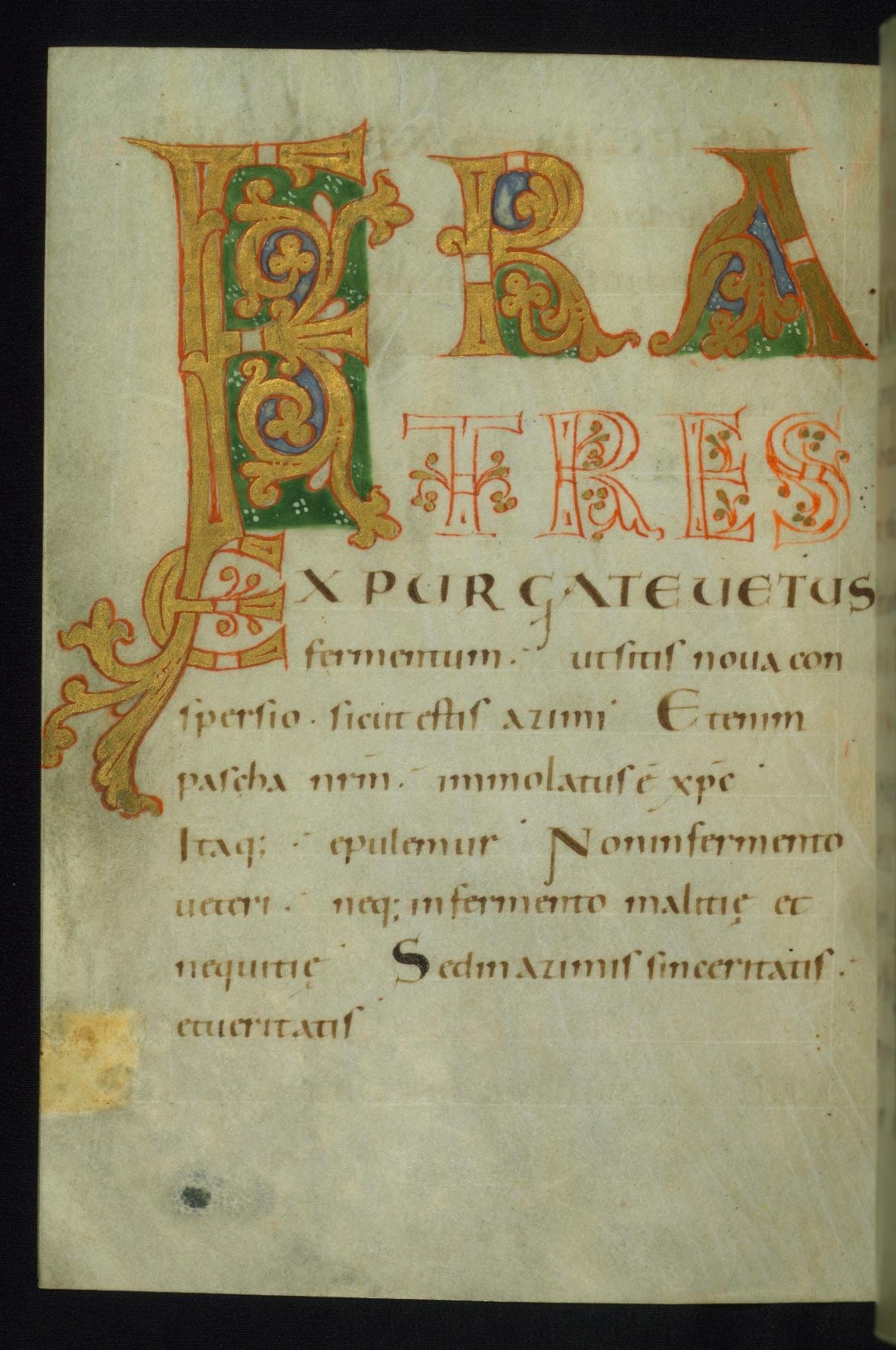
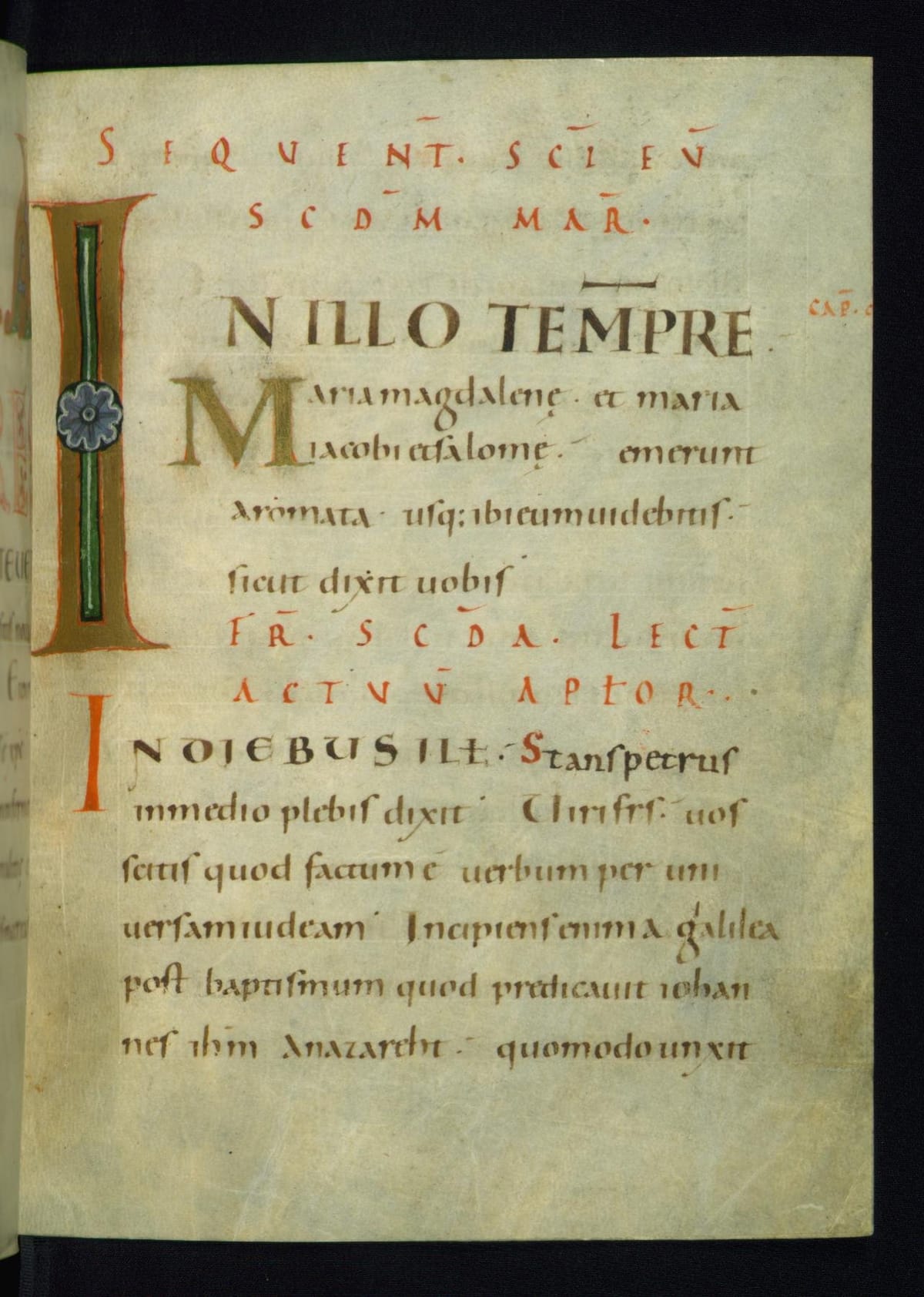
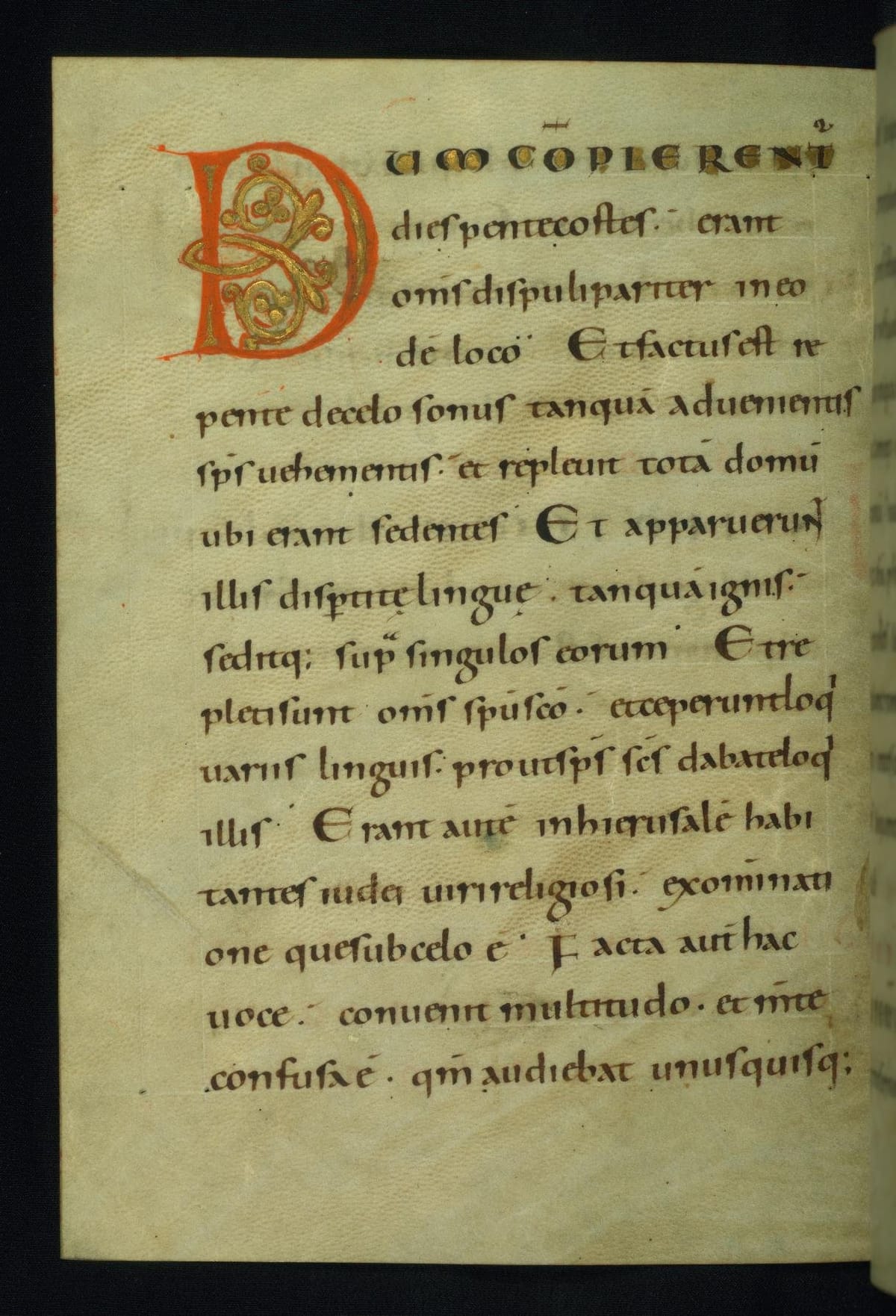
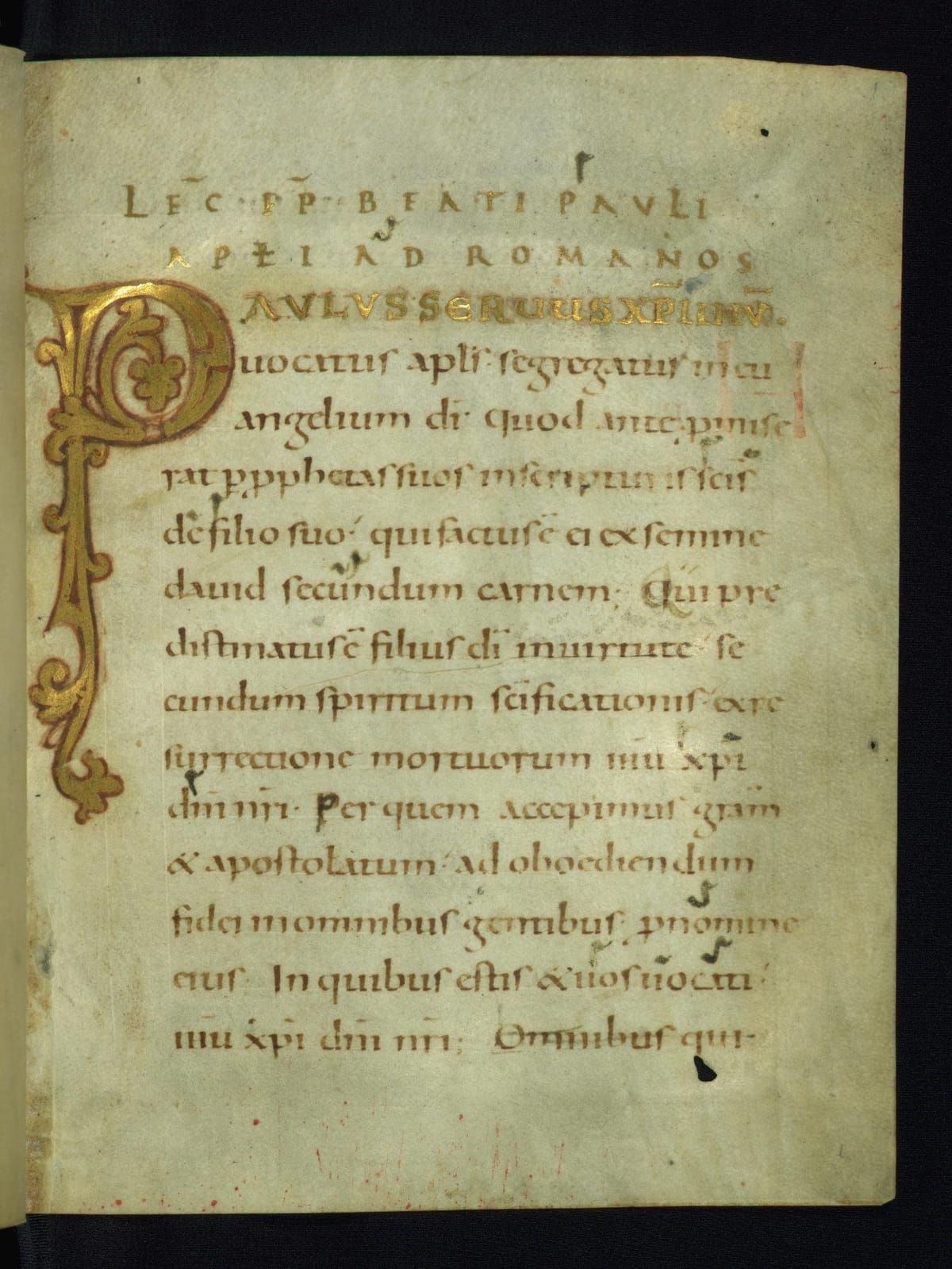
This Lectionary was created ca. 1000 in Trier. Written in a clear Caroline minuscule, it contains decorated initials at the openings of important readings. A set of illuminated letters marks the beginning of the Epistle and Gospel lessons for Easter; they display the hierarchy of scripts with capital letters decorated...
This Lectionary was created ca. 1000 in Trier. Written in a clear Caroline minuscule, it contains decorated initials at the openings of important readings. A set of illuminated letters marks the beginning of the Epistle and Gospel lessons for Easter; they display the hierarchy of scripts with capital letters decorated...
This Lectionary was created ca. 1000 in Trier. Written in a clear Caroline minuscule, it contains decorated initials at the openings of important readings. A set of illuminated letters marks the beginning of the Epistle and Gospel lessons for Easter; they display the hierarchy of scripts with capital letters decorated...
This Lectionary was created ca. 1000 in Trier. Written in a clear Caroline minuscule, it contains decorated initials at the openings of important readings. A set of illuminated letters marks the beginning of the Epistle and Gospel lessons for Easter; they display the hierarchy of scripts with capital letters decorated...
This Lectionary was created ca. 1000 in Trier. Written in a clear Caroline minuscule, it contains decorated initials at the openings of important readings. A set of illuminated letters marks the beginning of the Epistle and Gospel lessons for Easter; they display the hierarchy of scripts with capital letters decorated...
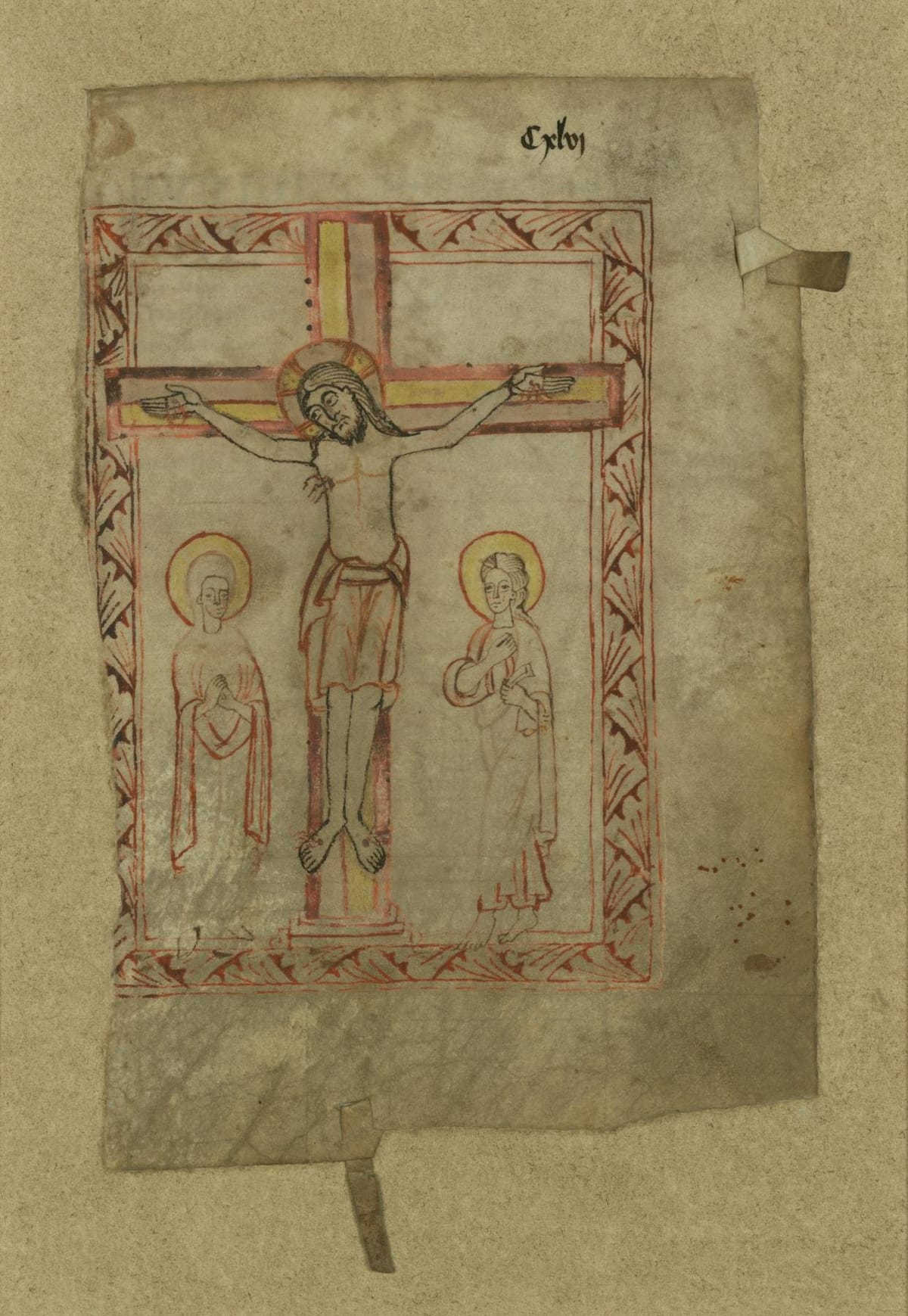
This leaf once belonged to a small missal and was created in the late eleventh or early twelfth century. The distinct style of its miniature suggests it was made in Southern Germany, or possibly in the Tyrol region of Austria, where line drawing in colored inks had developed into a...
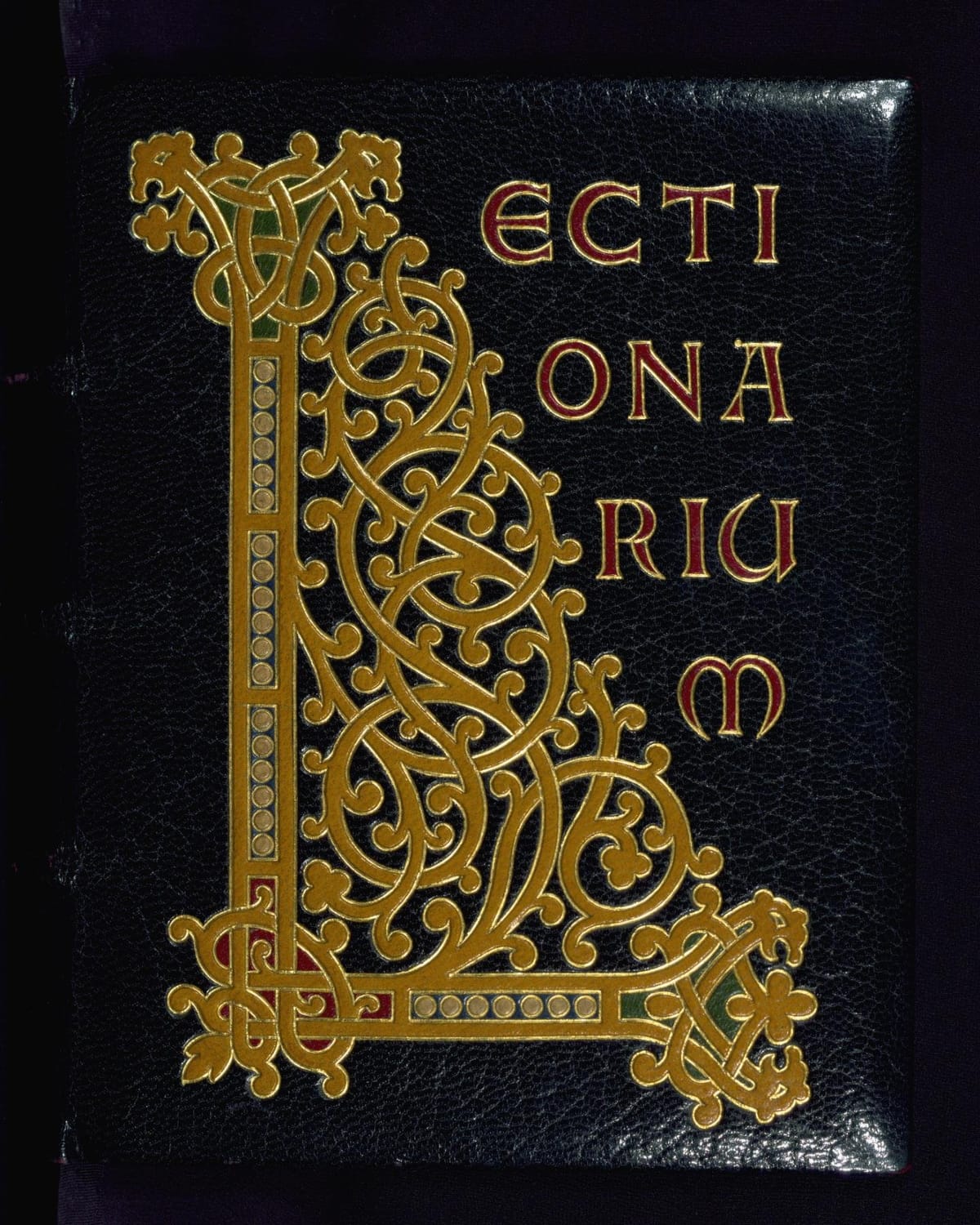
This Gospel Lectionary from the eleventh century was written in clear Carolingian minuscule in Regensburg, Germany. Its original treasure binding is very fragile because the spine is made from delicate Byzantine or Islamic silk, so it is not possible to photograph the whole manuscript. Only the cover has been photographed,...
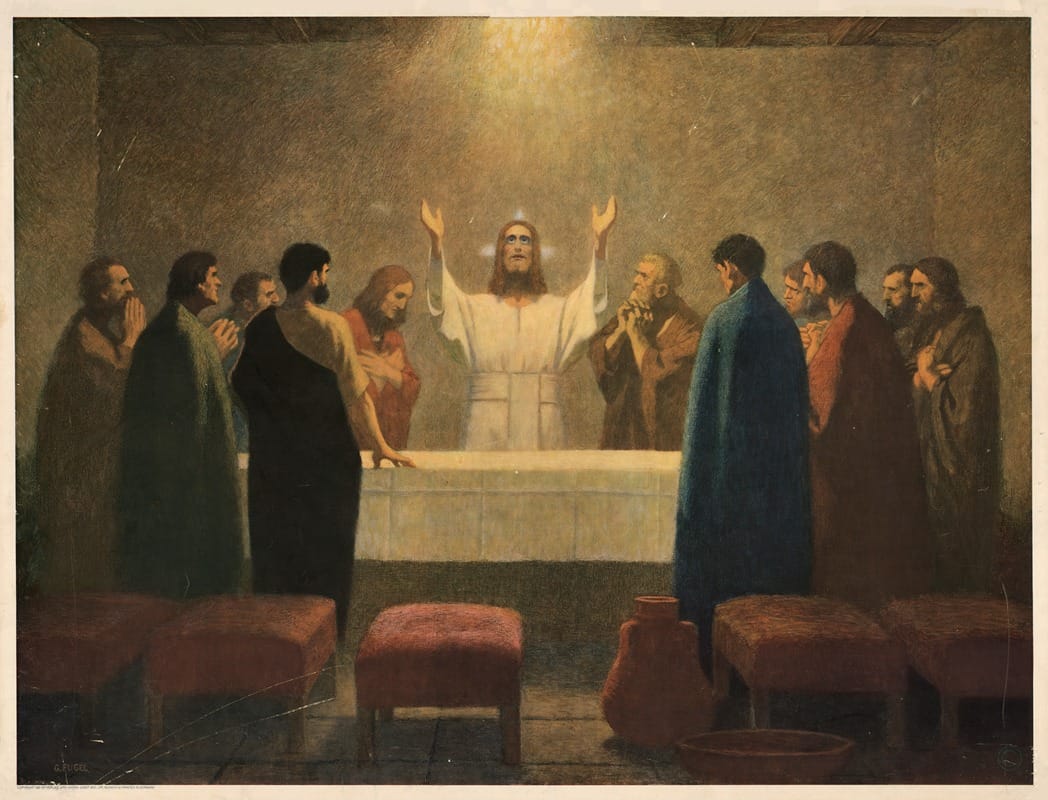
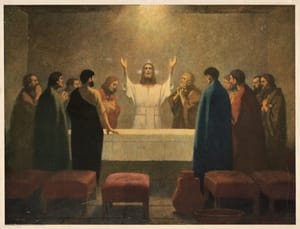
The Last Supper of Jesus and the Twelve Apostles has been a popular subject in Christian art, often featured in cycles depicting the Life of Christ. Depictions of the Last Supper in Christian art date back to early Christianity and can be seen in the Catacombs of Rome. The Last...
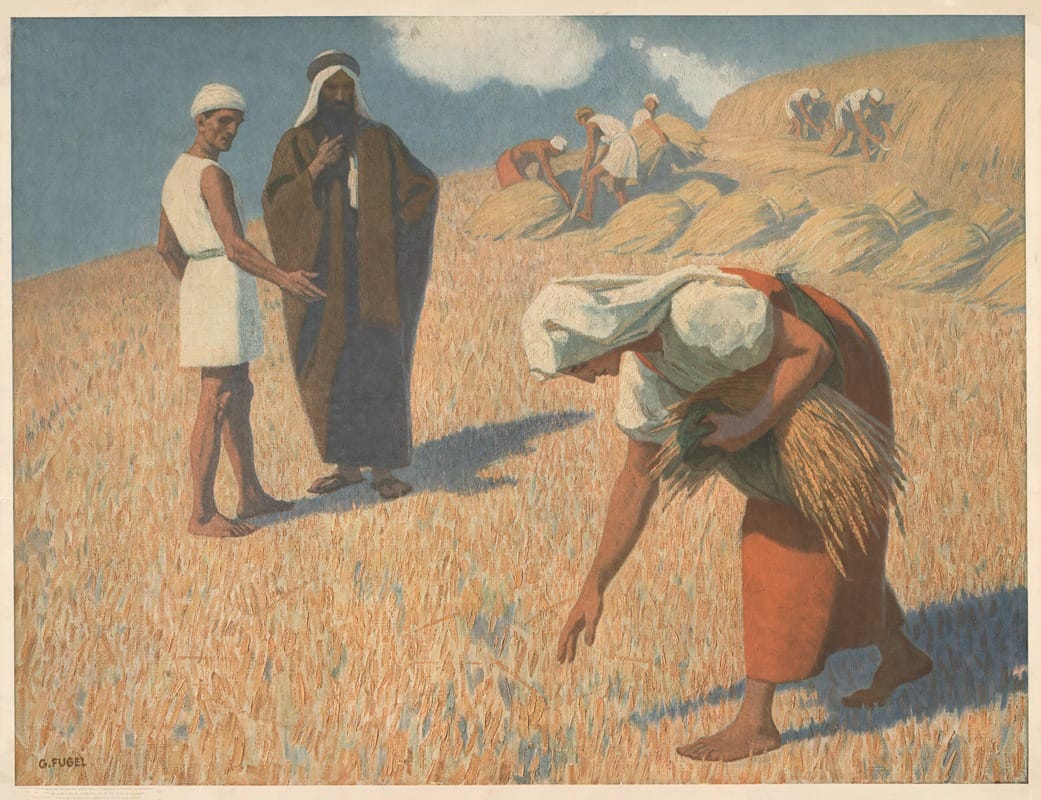
The account of Ruth and Boaz comes from the book of Ruth. Ruth was a poor widow staying with her Jewish mother-in-law. She met Boaz, a wealthy landowner, and impressed him with her loyalty and work ethic. He married Ruth, and their great-grandson would be King David....
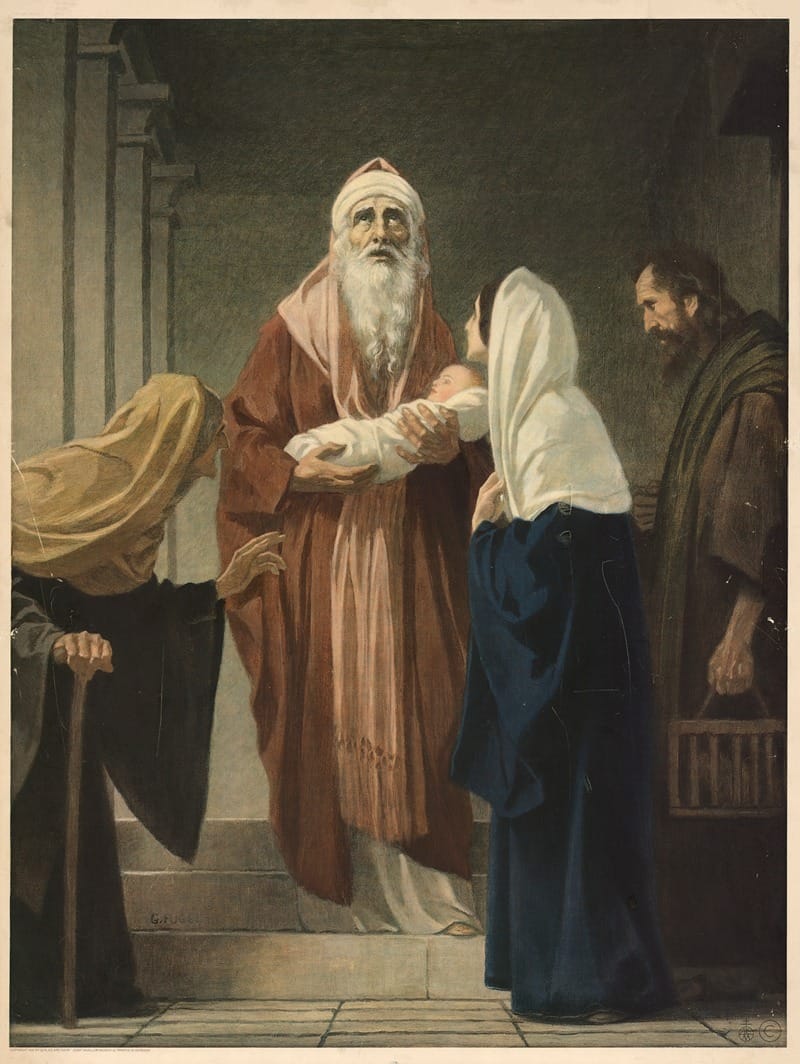
This painting depicts the presentation of Christ in the temple (Luke 2:25-38). During Christ's Redemption of the Firstborn ceremony, Simon (a righteous man) and Anna (a prophetess) make prophecies about Christ, His future impact, and how He will redeem the world. Fugel's paintings tend...
“The birds of the air and the lilies of the field” (1932) by Gebhard Fugel captures the artist’s ongoing engagement with biblical themes, rendered with clarity and contemplative devotion. Created during an era of great uncertainty in Germany, the painting draws inspiration from Christ’s teachings in the Sermon...
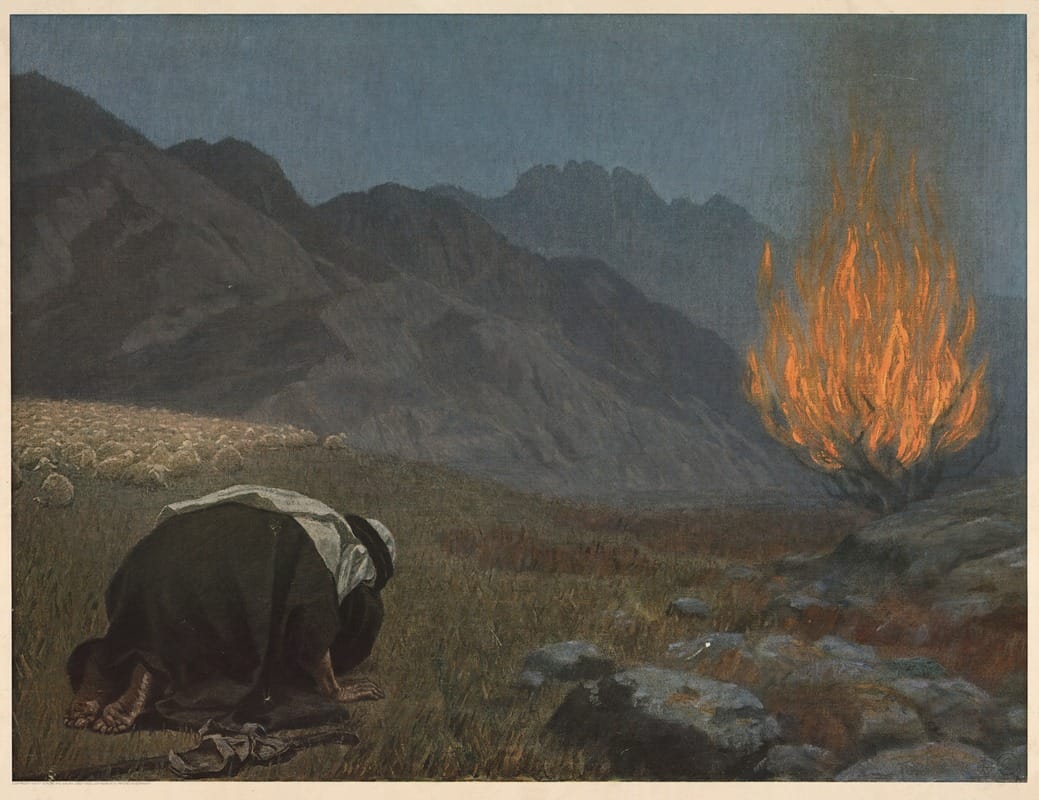
“The Burning Thorn Bush” (1932) by Gebhard Fugel emerges from a period of intense religious revival in early 20th-century Germany, where biblical scenes were often revisited to reaffirm spiritual values during times of cultural upheaval. Fugel—well known for his large-scale, immersive religious panoramas—applies his characteristic naturalism...
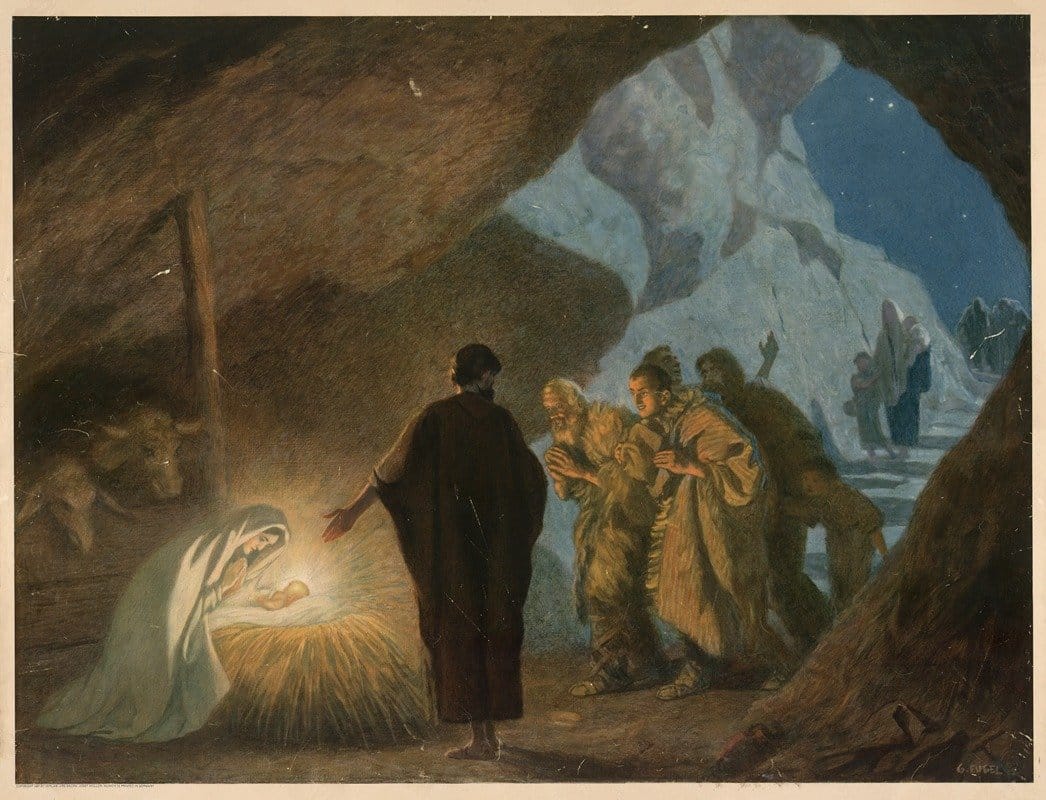
"Birth in Bethlehem" by Gebhard Fugel exemplifies the revival of religious painting in late 19th- and early 20th-century Germany, a period marked by a search for spiritual depth and clarity amidst rapid societal change. Fugel, celebrated for his devout Christian motifs, drew on the traditions of German...
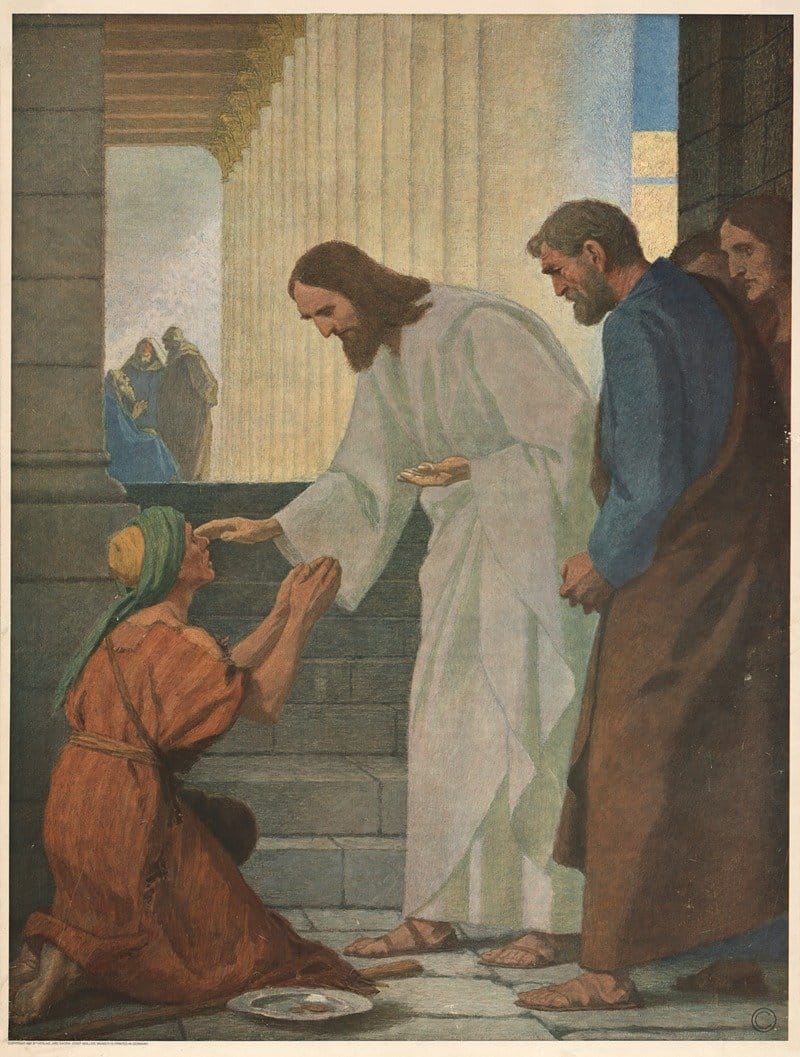
The term "Effata," meaning "Be opened" in Aramaic, relates to the biblical story of Jesus healing a deaf and mute man. In Gebhard Fugel's painting "Effata," this theme symbolizes spiritual awakening and communication. The artwork captures the transformative power of faith, inviting...
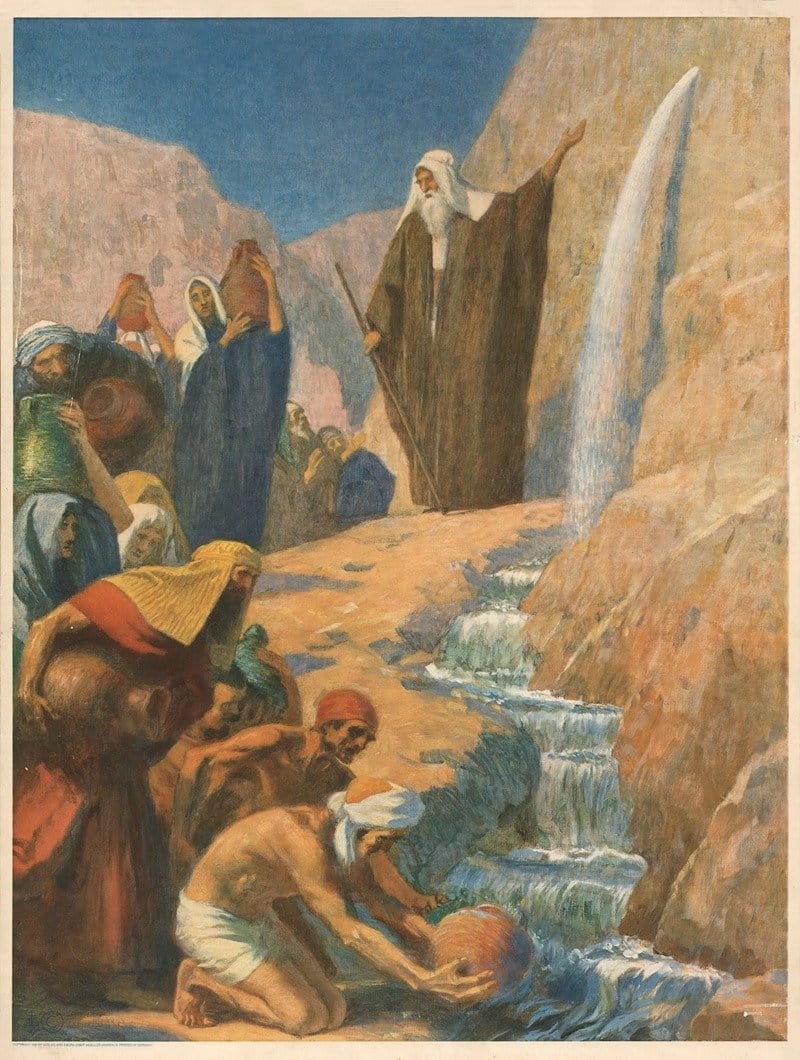
Gebhard Fugel was a German painter specializing in Christian themes, and the story of Moses striking the rock for water is a significant biblical event depicted in various artworks, particularly during the Renaissance and Baroque periods. Artists like Michelangelo and Caravaggio captured the dramatic moment, employing techniques such as chiaroscuro...