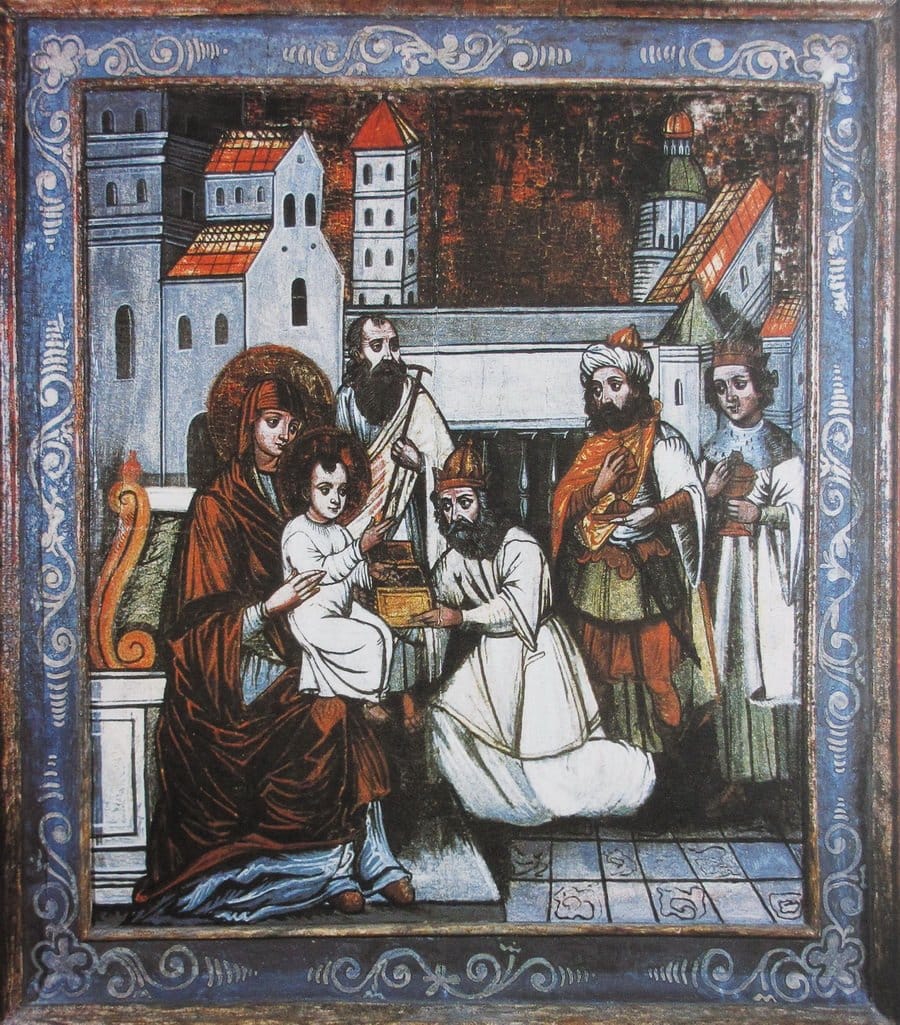
Adoration of the Magi (17th century) - Public Domain Orthodox Icon
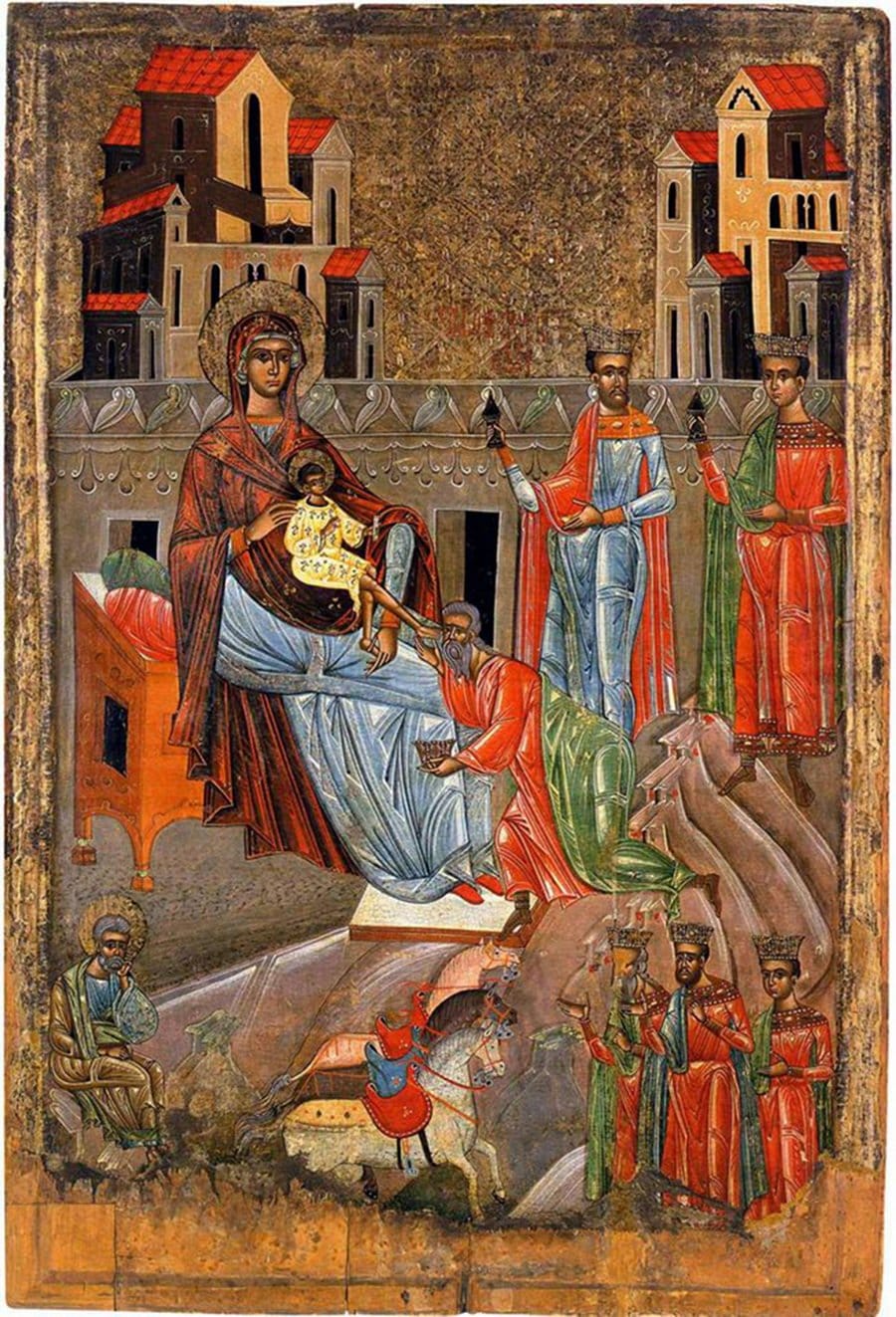
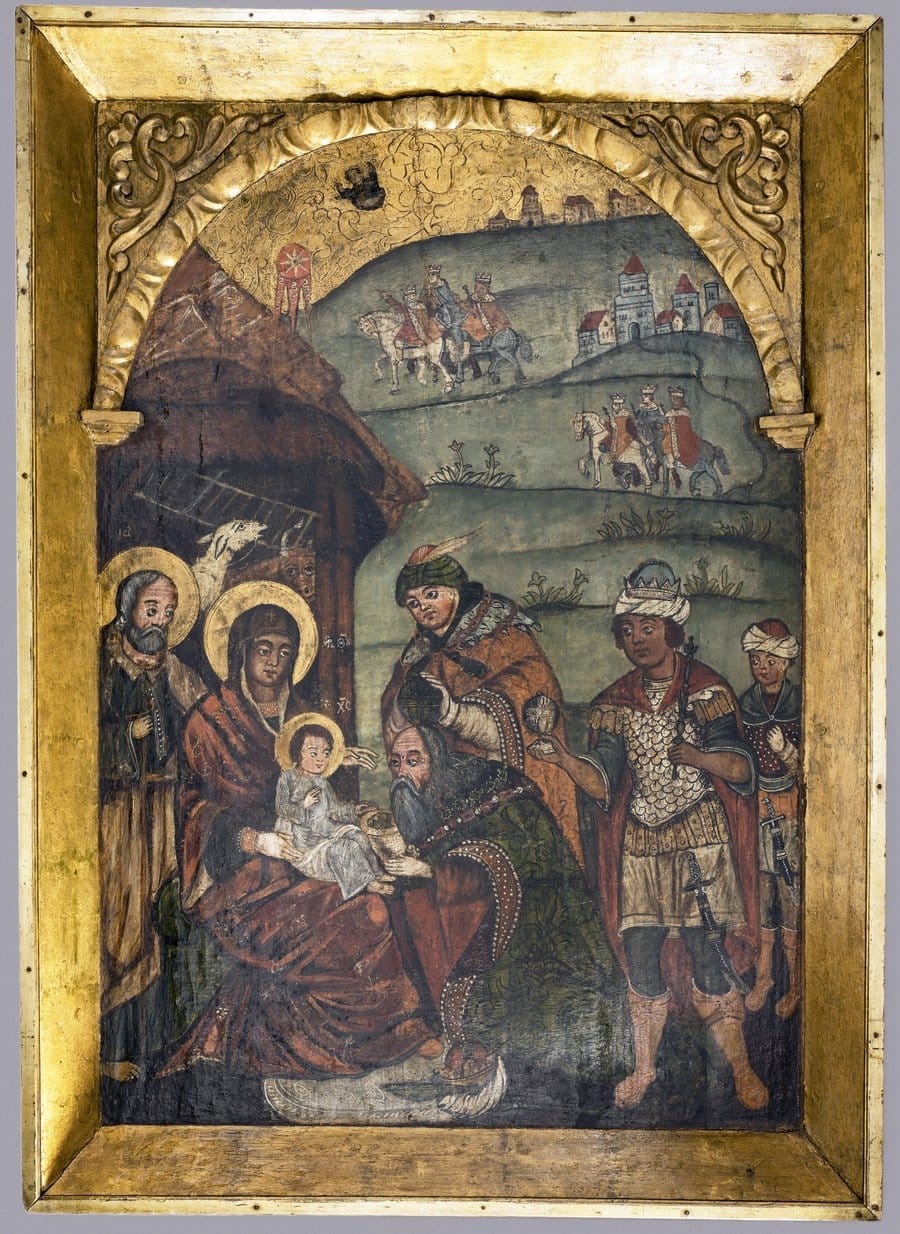
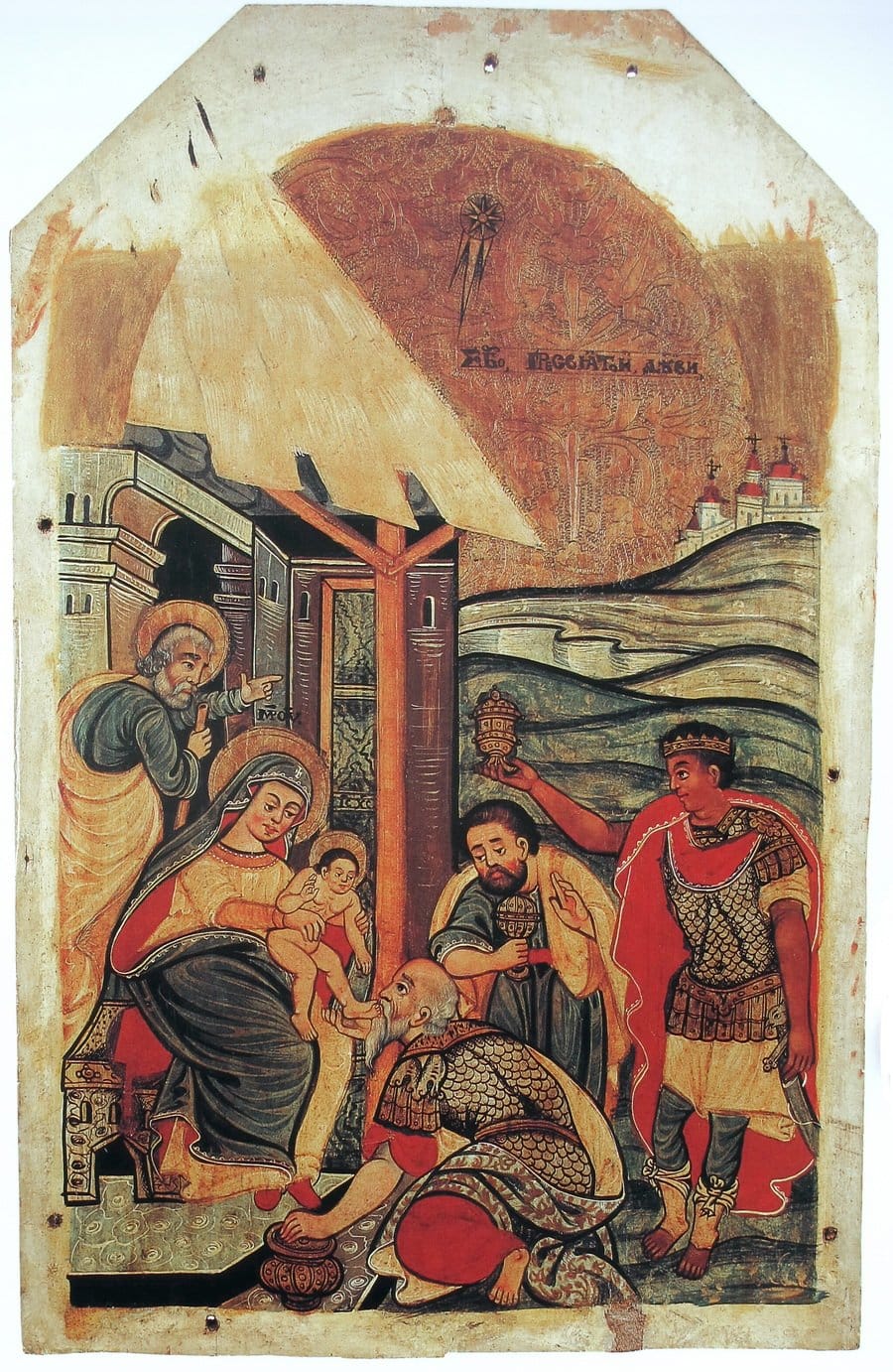
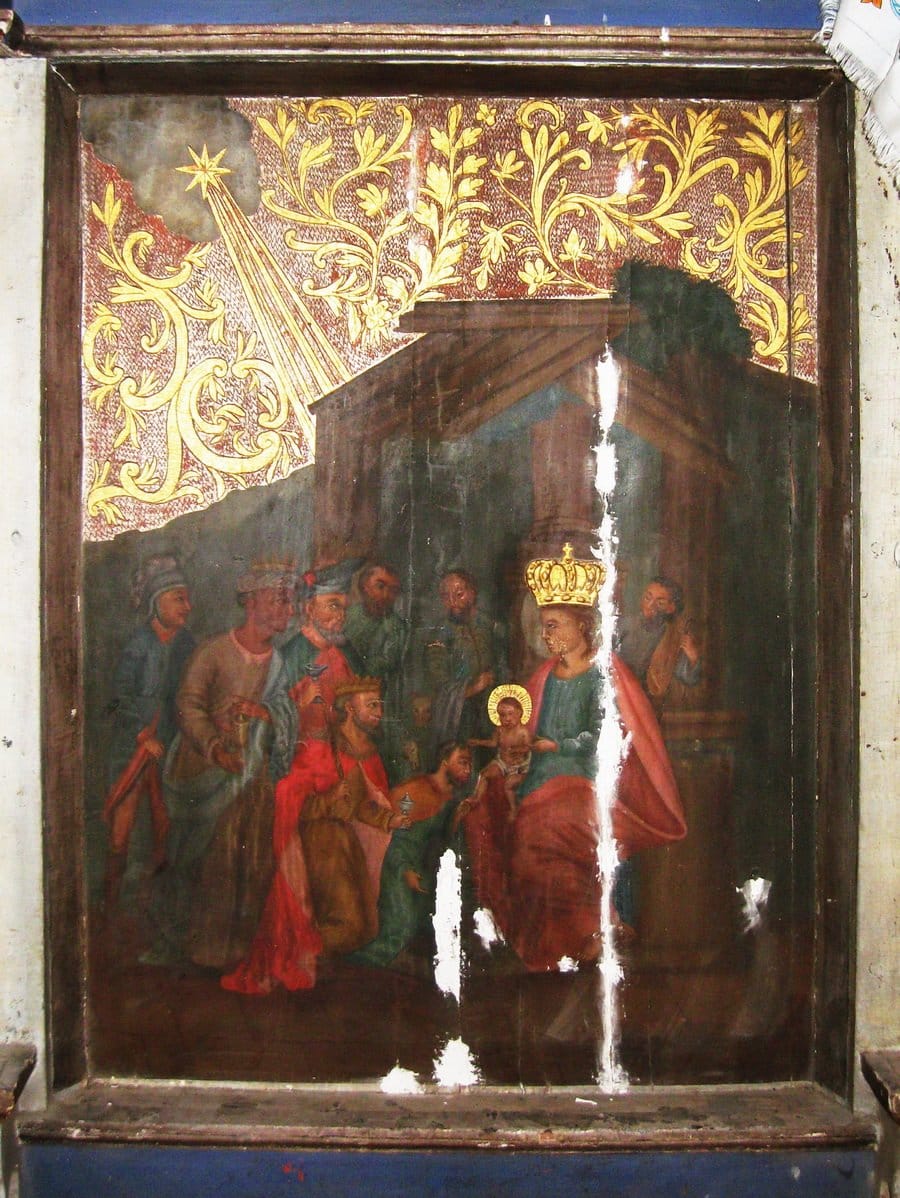
Icon of the Adoration of the Magi from the middle of the 17th century, from the Sambir region of Ukraine. It is in a private collection.
Free downloadable Catholic paintings of the Virgin Mary
Icon of the Adoration of the Magi from the middle of the 17th century, from the Sambir region of Ukraine. It is in a private collection.
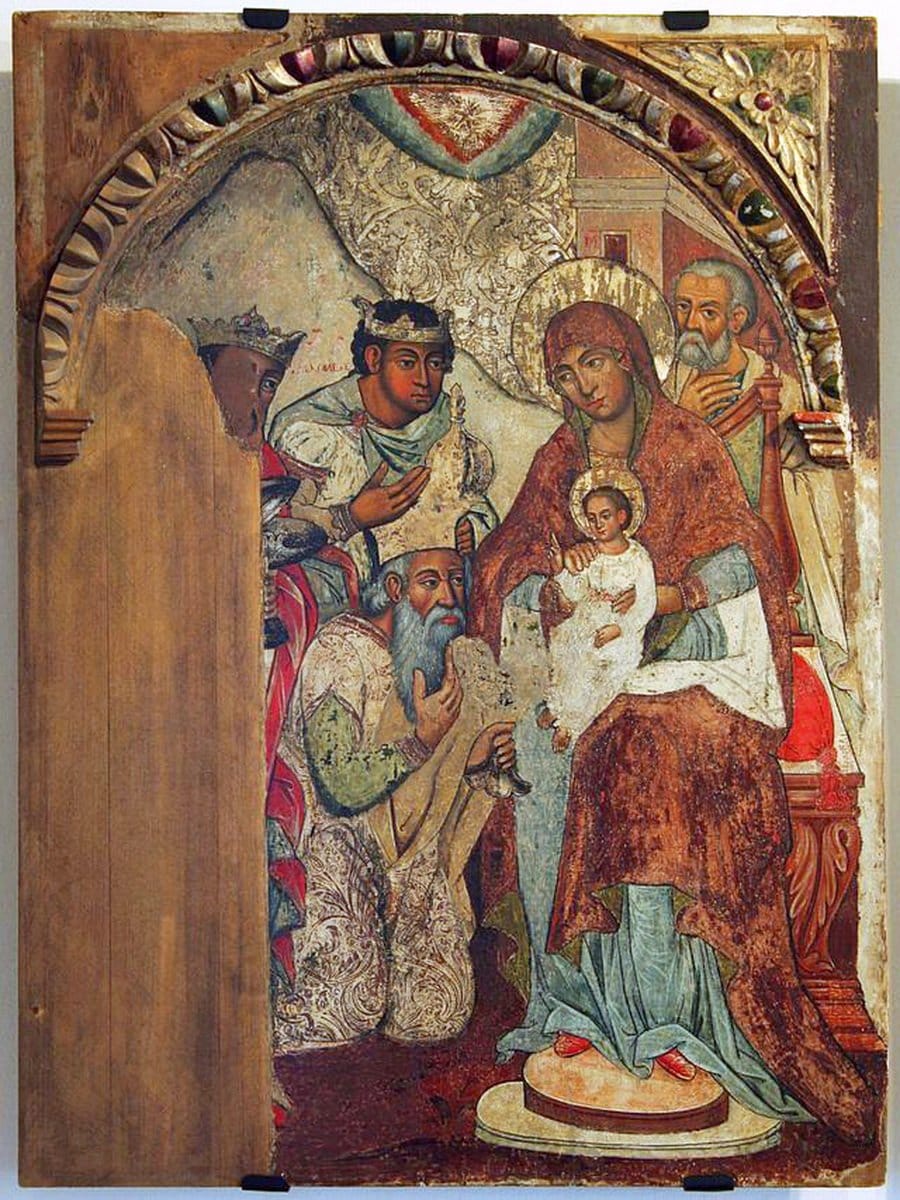
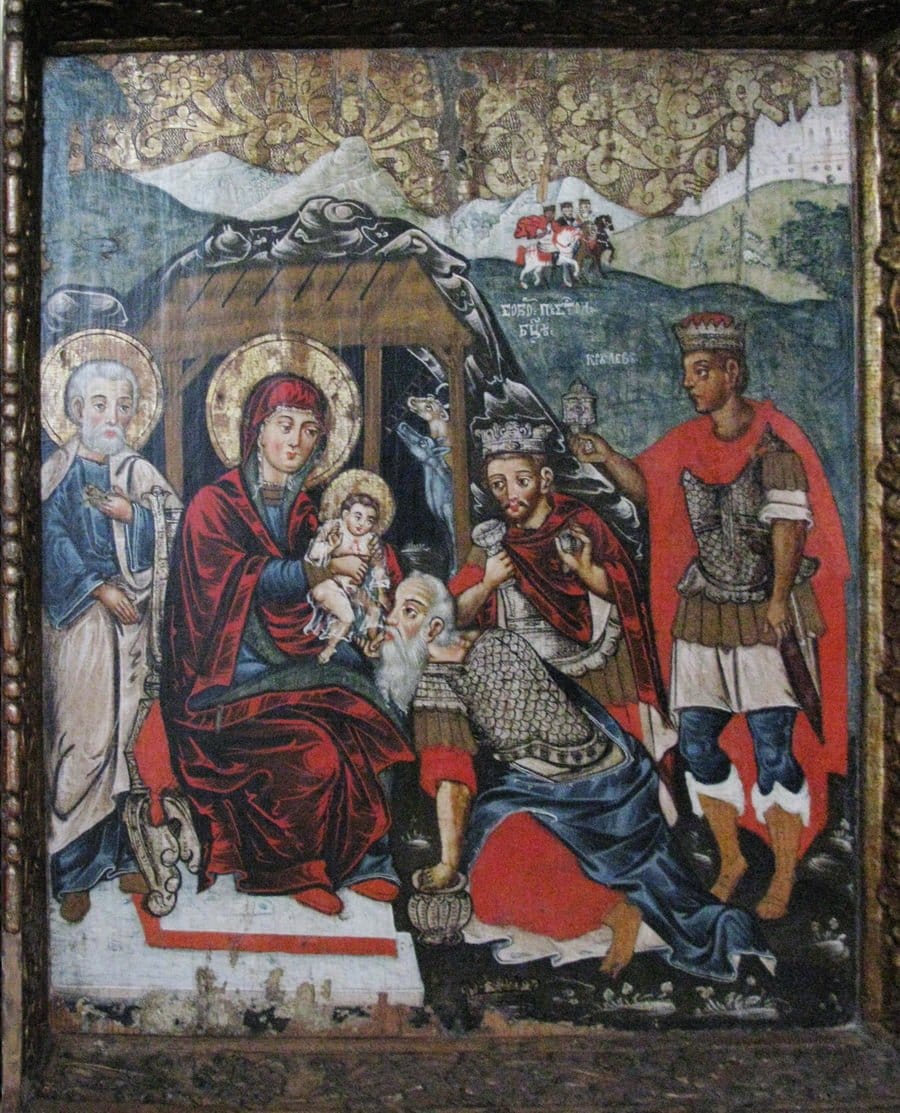
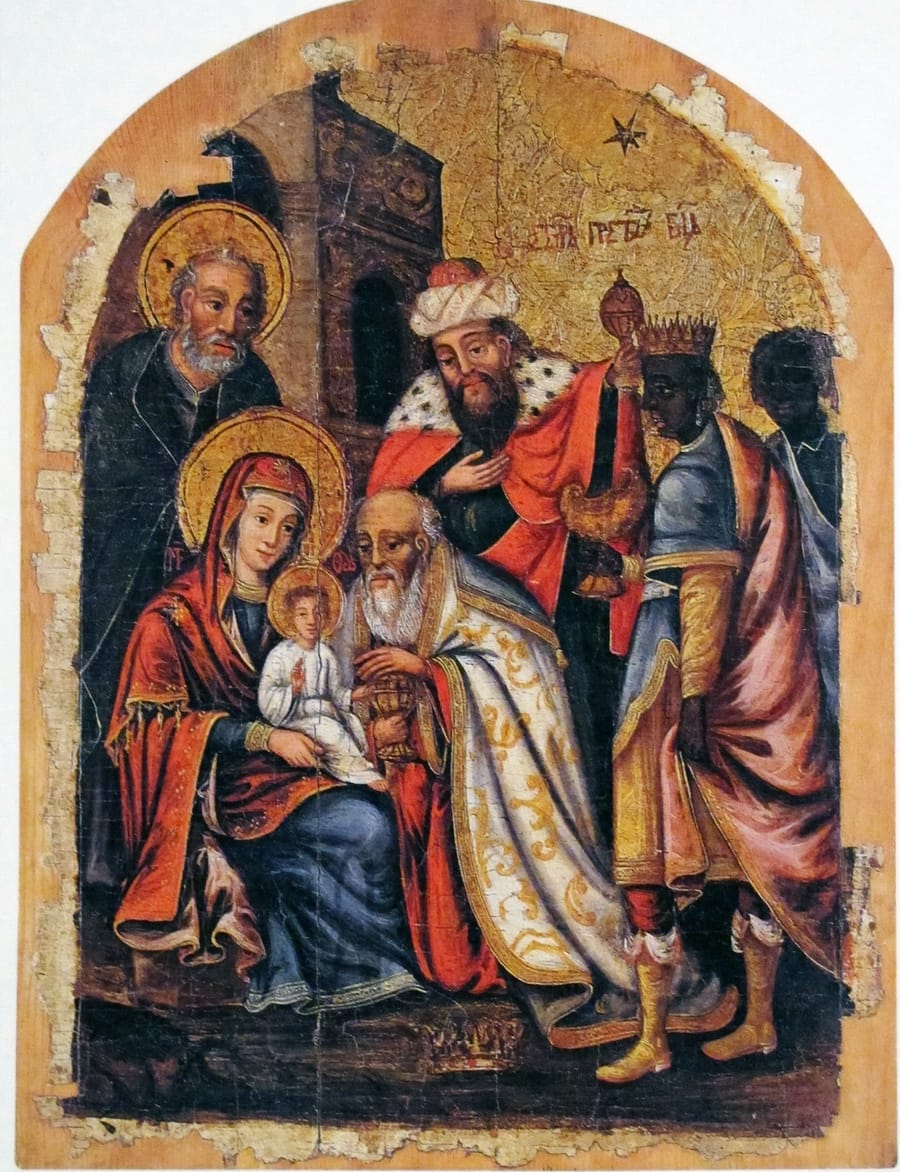
Icon of the Adoration of the Magi from the middle of the 16th century, from the village of Busovysko. It is held in the Andrey Sheptytsky National Museum in Lviv, Ukraine.
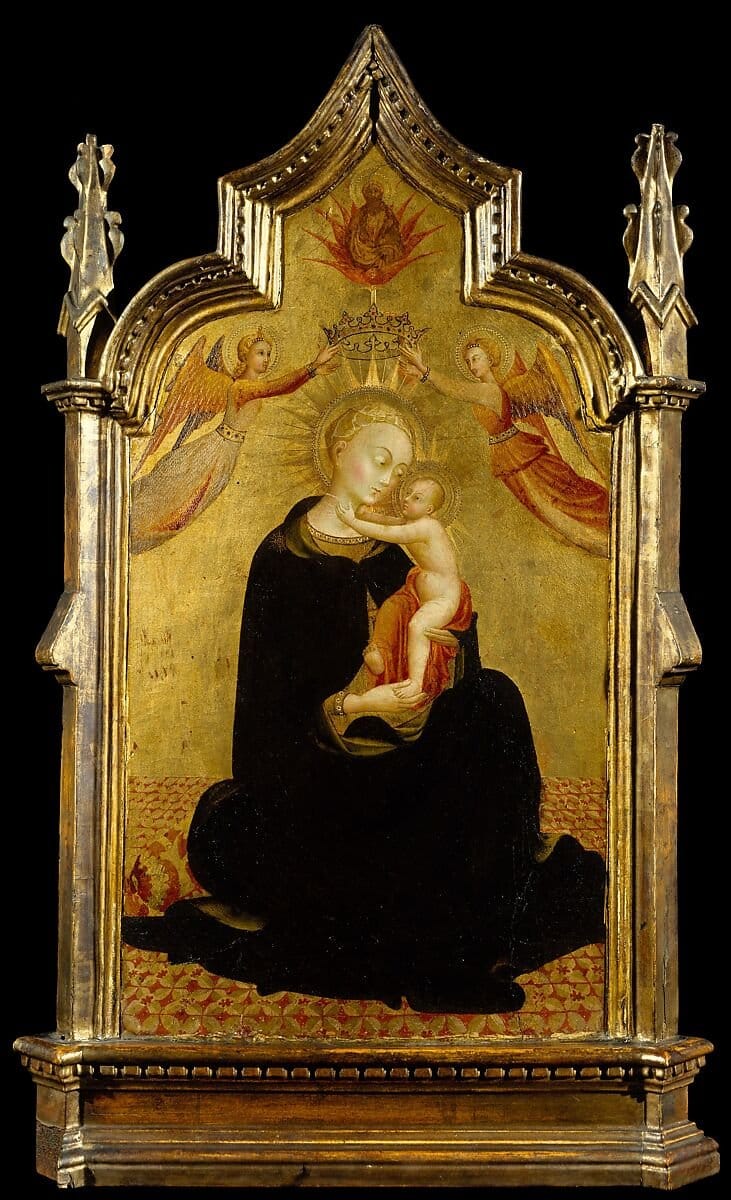
Sassetta worked for a wealthy clientele, executing a limited number of paintings that focus on material splendor and refined detail. The glittering effect created by his technique of scratching into the painted surface to reveal the gold layer beneath—seen in passages like the angels’ wings and garm
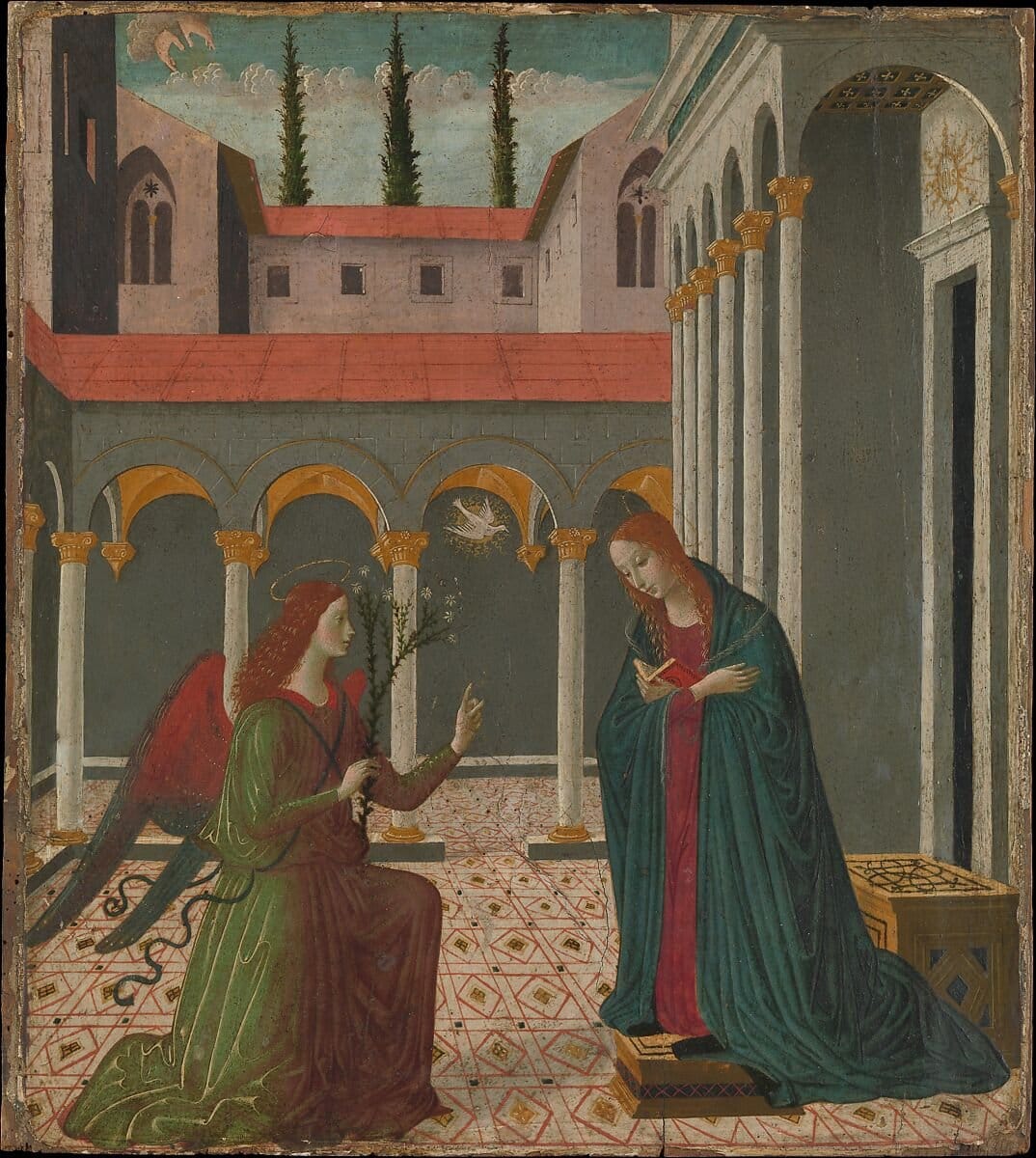
Italian tempera and gold on wood painting of the Annunciation, attributed to Maestro Esiguo (possibly Alesso di Benozzo). The painted surface measures 40.6 x 36 cm.
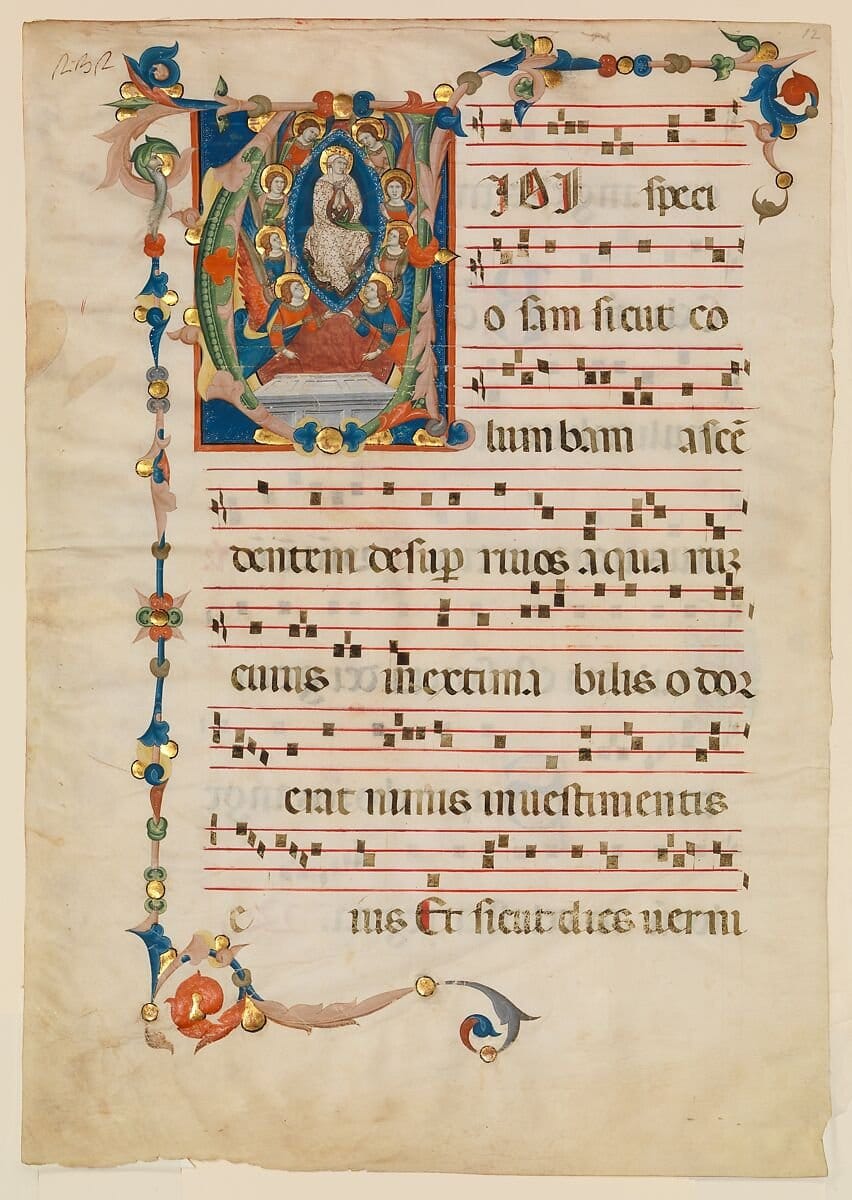
The Assumption of the Virgin, celebrated on August 15, is an especially important holiday in Siena. Niccolò di ser Sozzo, one of the city's renowned fourteenth-century illuminators, painted it on numerous occasions. Tempera, ink, and gold on parchment, 57.5 x 40.4 cm.
Icon of the Adoration of the Magi by the Rybotychi school, made in the 1680s. It is held in the National Museum in Warsaw, Poland.
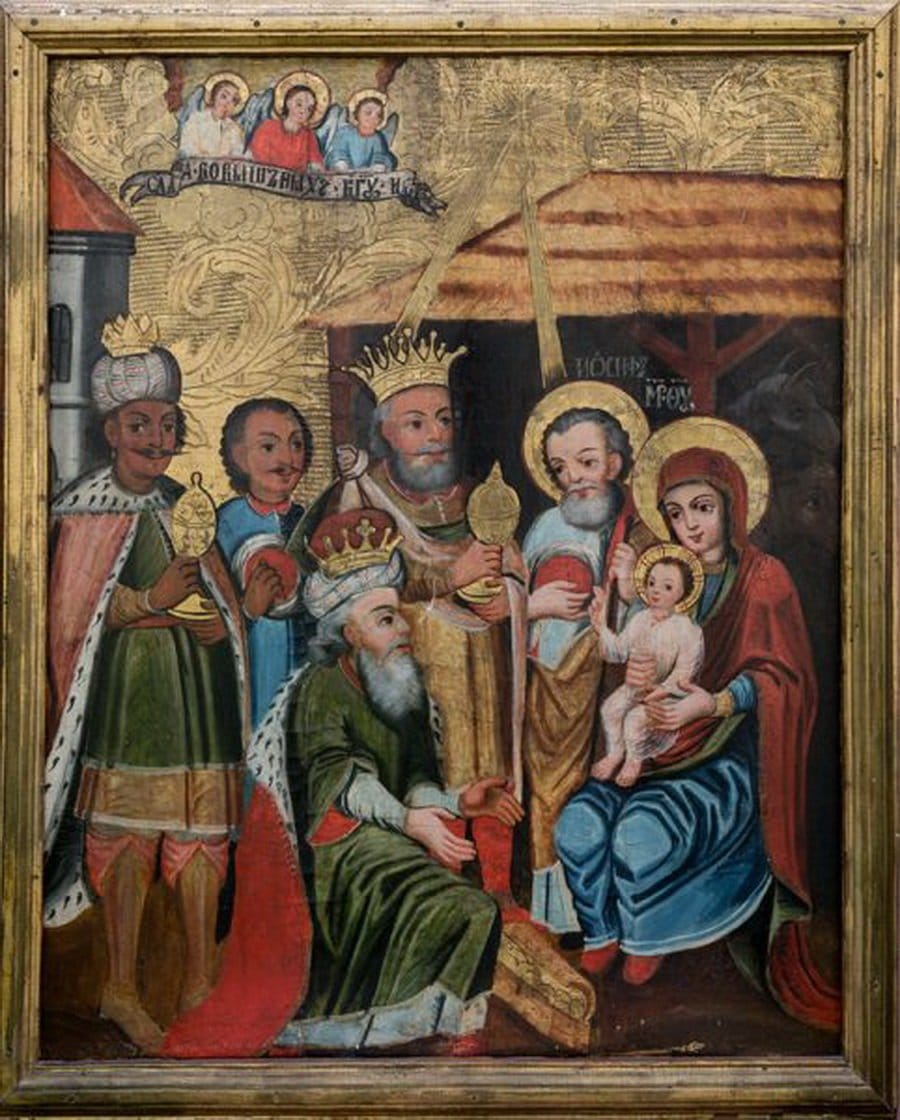
Icon of the Adoration of the Magi from the Sudova Vyshnia school, made in the second half of the 17th century. It is kept in the Historical Museum in Sanok, Poland.
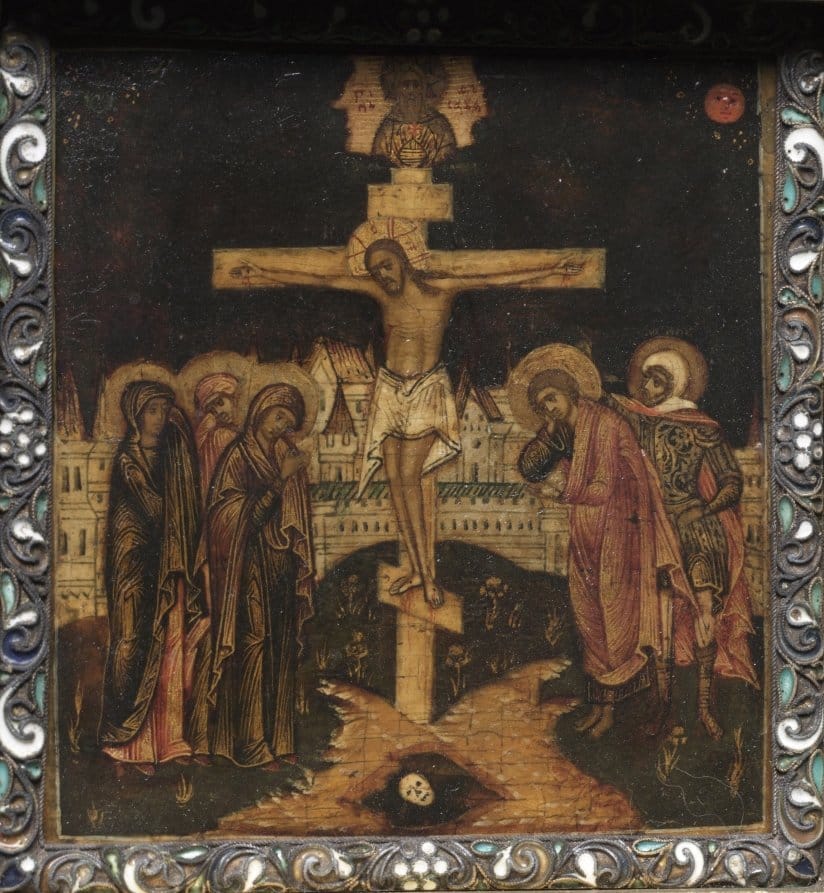
This triptych icon was probably commissioned by a lay person for private prayer and meditation. It could be folded and shut when not in use. Painted wood panel within an enameled brass frame, Russia, about 6.5 x 6.2 cm unframed.
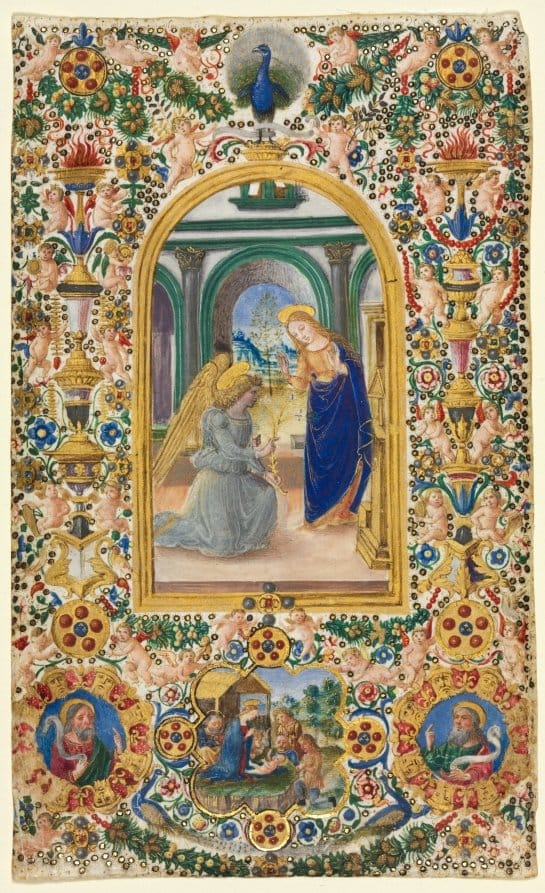
This leaf came from a book of hours, a devotional book popular in the Middle Ages. They contained prayers that a devoted individual would use throughout the day.
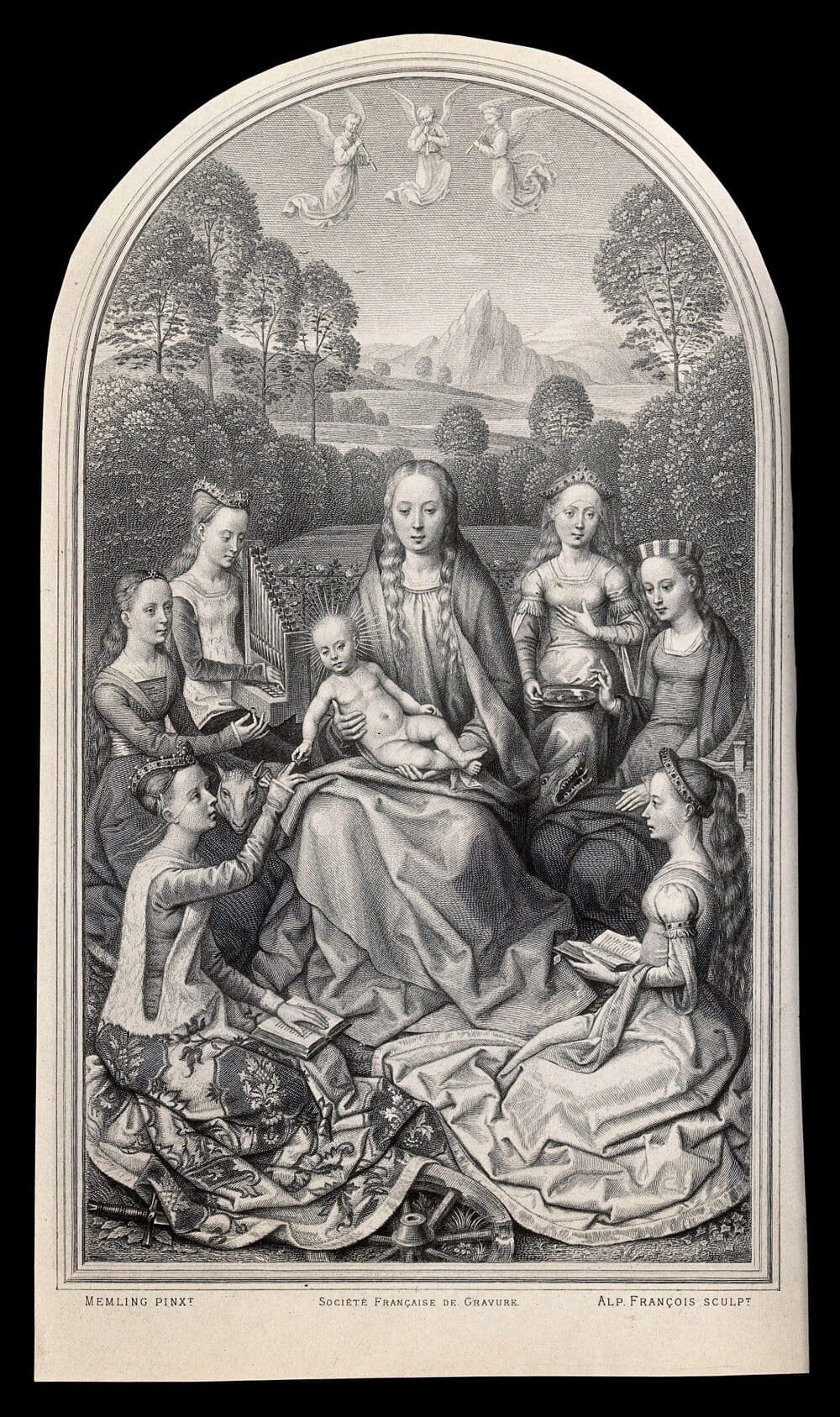
Engraving made in France by Alphonse François after a painting by Hans Memling. The Virgin Mary holds the Christ Child, surrounded by Saints Catherine of Alexandria, Agnes, Cecilia, Lucy, Margaret of Antioch and Barbara.
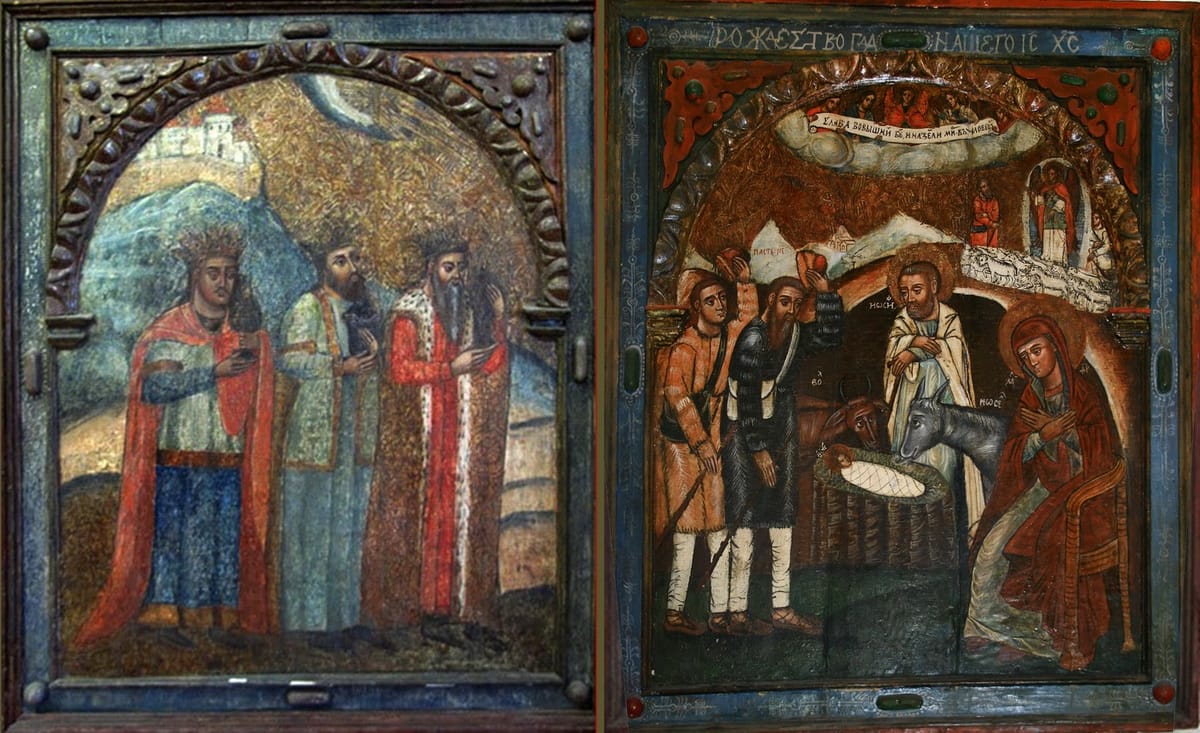
Icon showing the Adoration of the Magi together with the Nativity of Christ. It is held in the Spiritual Treasures of Ukraine museum of Ukrainian icons in Kyiv.
Icon of the Adoration of the Magi by a master of the Ostroh school. It is held in the Ostroh State Historical and Cultural Reserve in Ukraine.
Icon of the Adoration of the Magi by the Rybotychi school, from the Church of the Synaxis of the Virgin Mary in Trushevychi. It is held in the Andrey Sheptytsky National Museum in Lviv, Ukraine.
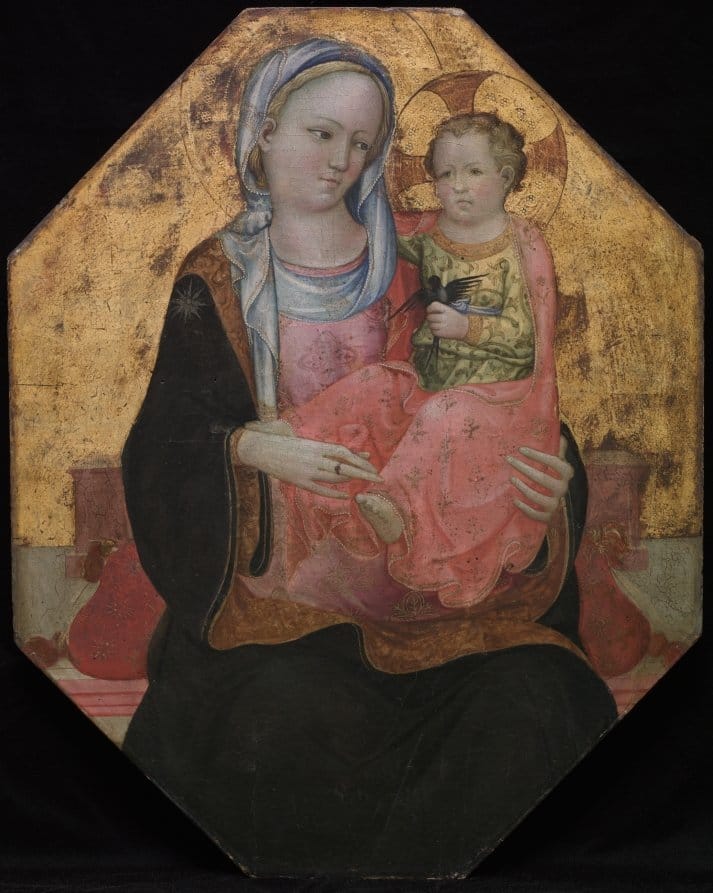
In his left hand the Christ Child holds a swallow. Swallows were thought to hibernate during winter in nests of mud. Their re-emergence in spring symbolized the Resurrection of Christ.
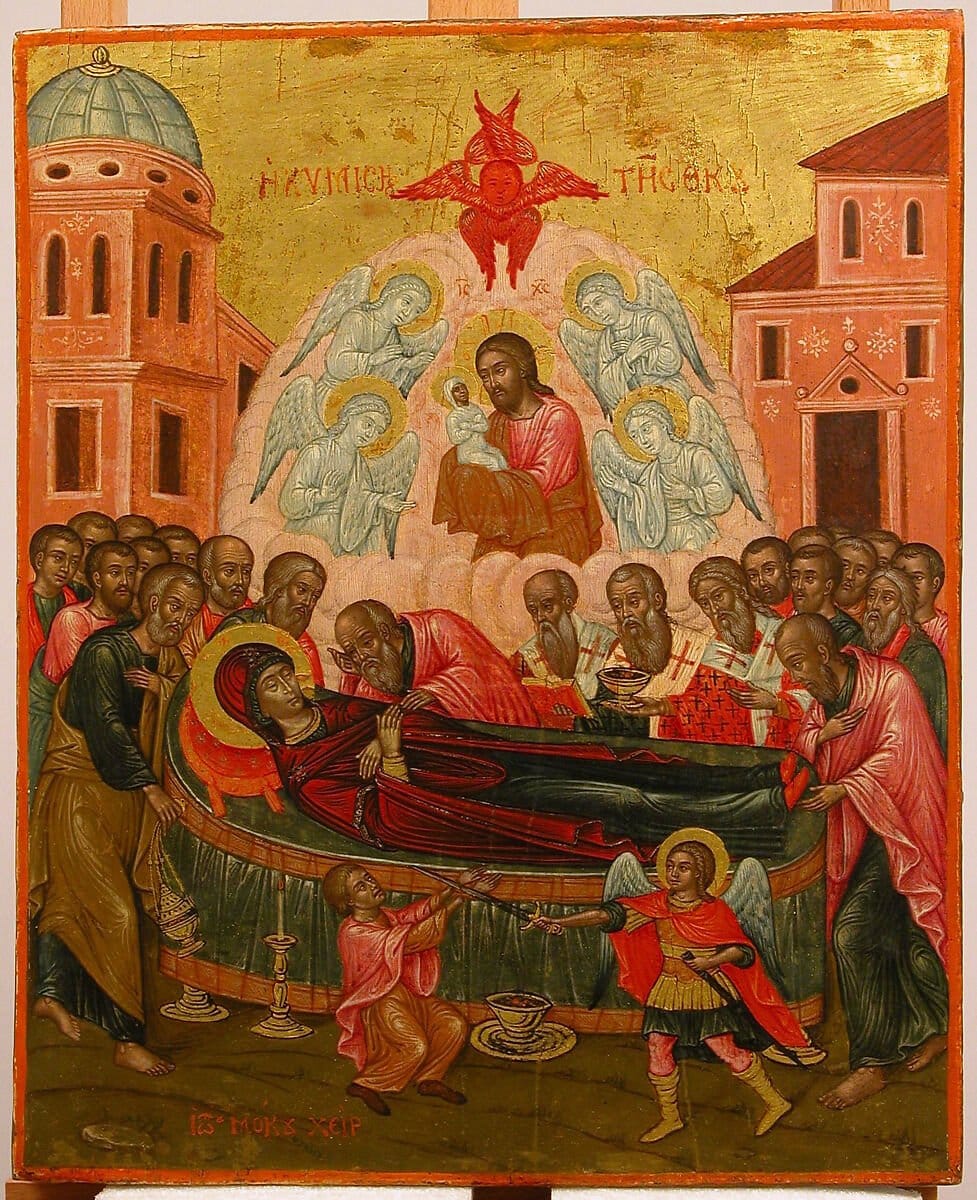
Tempera and oil on wood icon with a gold ground, by the Greek painter Ioannes Mokos. It measures 34.3 x 28.6 cm (13 1/2 x 11 1/4 in.).
Icon of the Adoration of the Magi by the Rybotychi school, from the village of Uherci. Held in the Historical Museum in Sanok, Poland.
Icon of the Adoration of the Magi from the early 18th century, from the village of Rodatychi in the Lviv region of Ukraine.
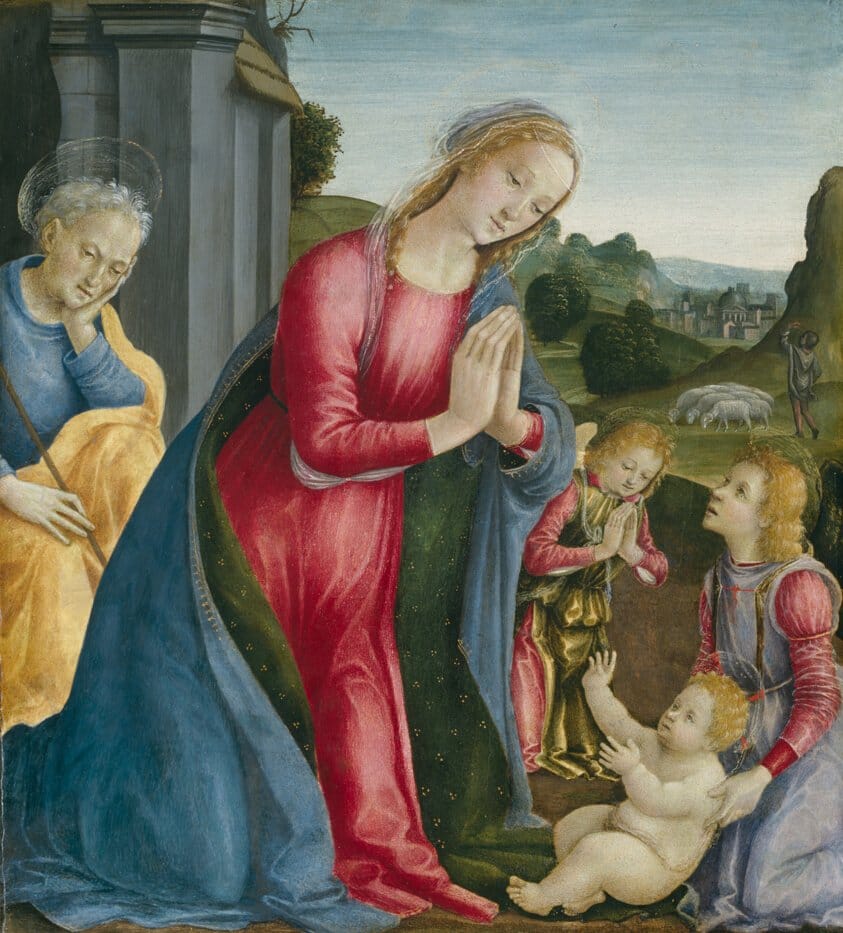
Tempera on panel, made in Florence, Italy. The painting measures 52 × 47.2 cm (20 1/2 × 18 9/16 in.).
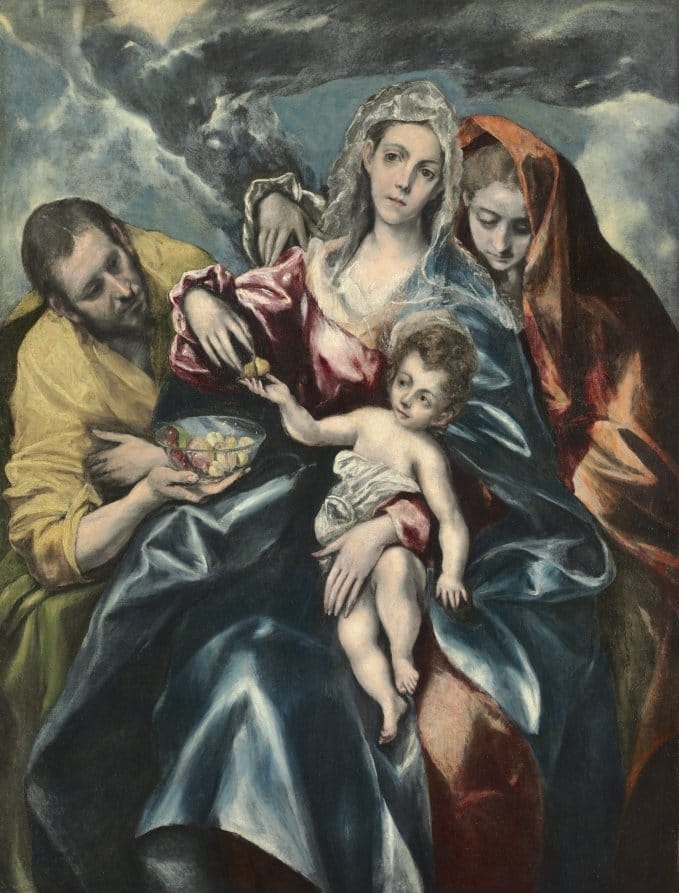
The seemingly weightless figures, the startling color combinations, and the moody, imprecise setting all show El Greco’s interest in conveying the intense spirituality of these figures rather than their concrete reality.
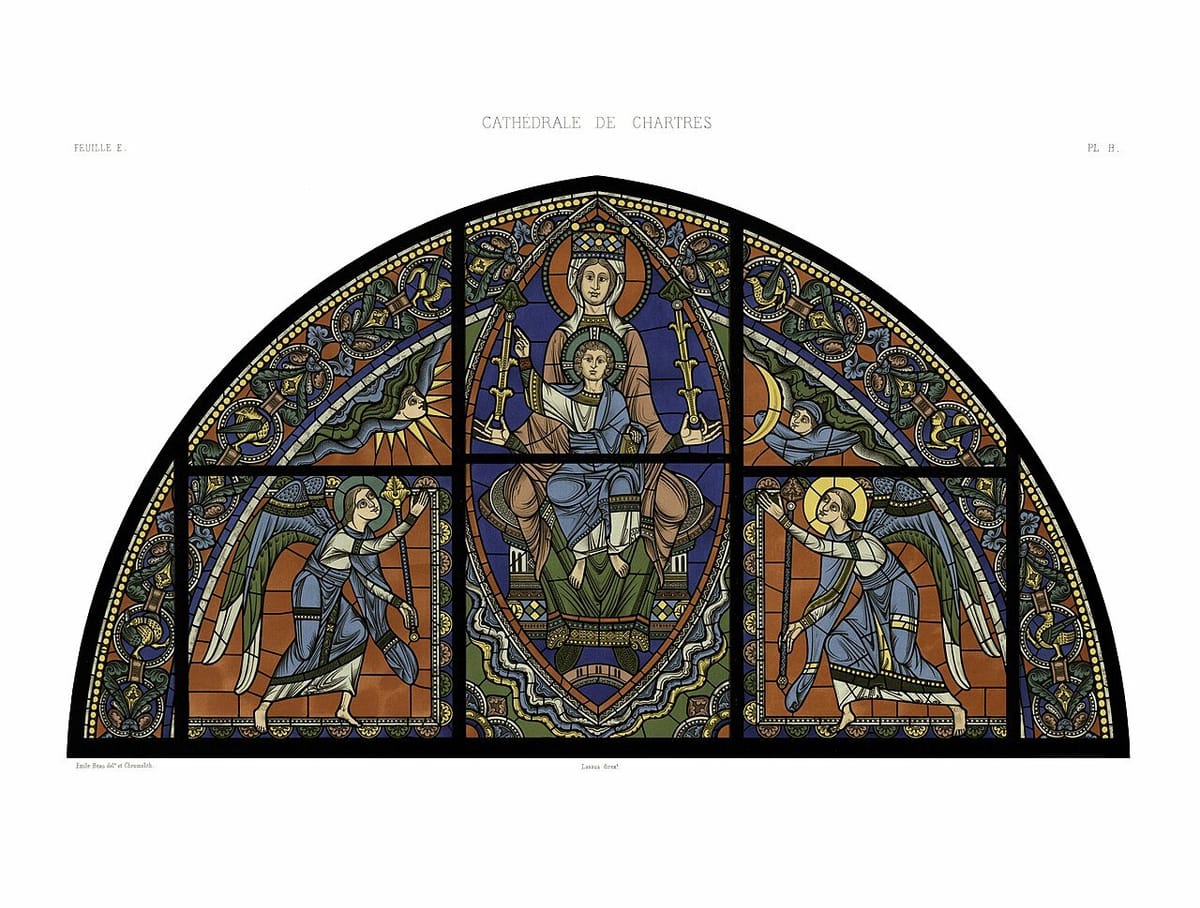
Chrome lithography of the stained glass window: The life of Jesus, Paris, Imprimerie impériale.
Ukrainian icon of the Adoration of the Magi, made in the second half of the 18th century.
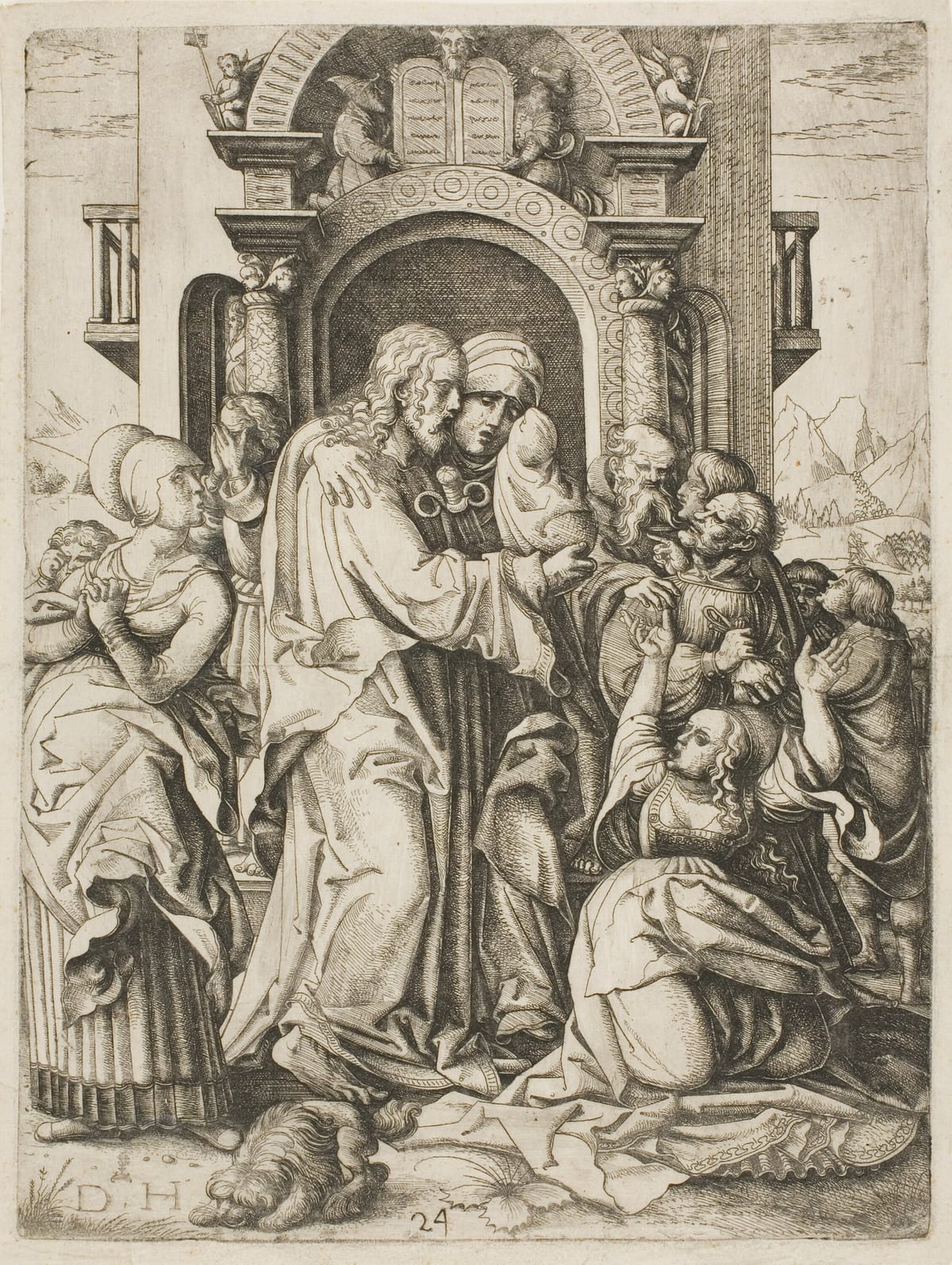
Daniel Hopfer I’s visionary image depicts the Virgin sobbing before Christ’s betrayal, scourging, and crucifixion. Knowing her son will die a gruesome death, she feels physical pain at his departure.
Etching in black on off-white laid paper
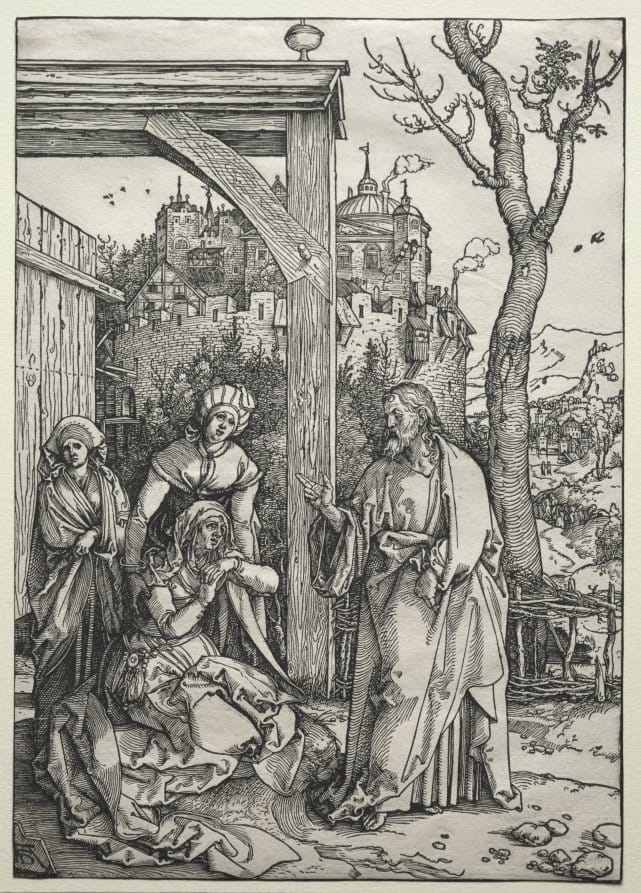
Germany, early 16th Century. Medium: Woodcut