The Basilica of the National Shrine, Great Upper Church, Washington, D.C. - Catholic Stock Photo
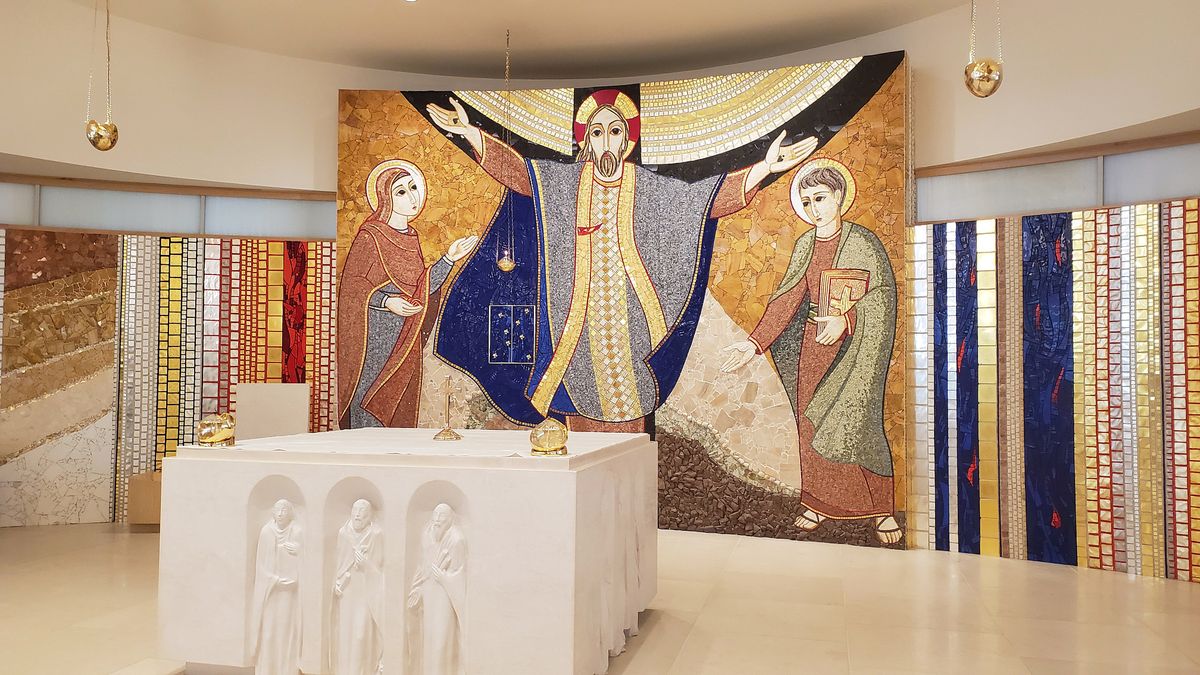
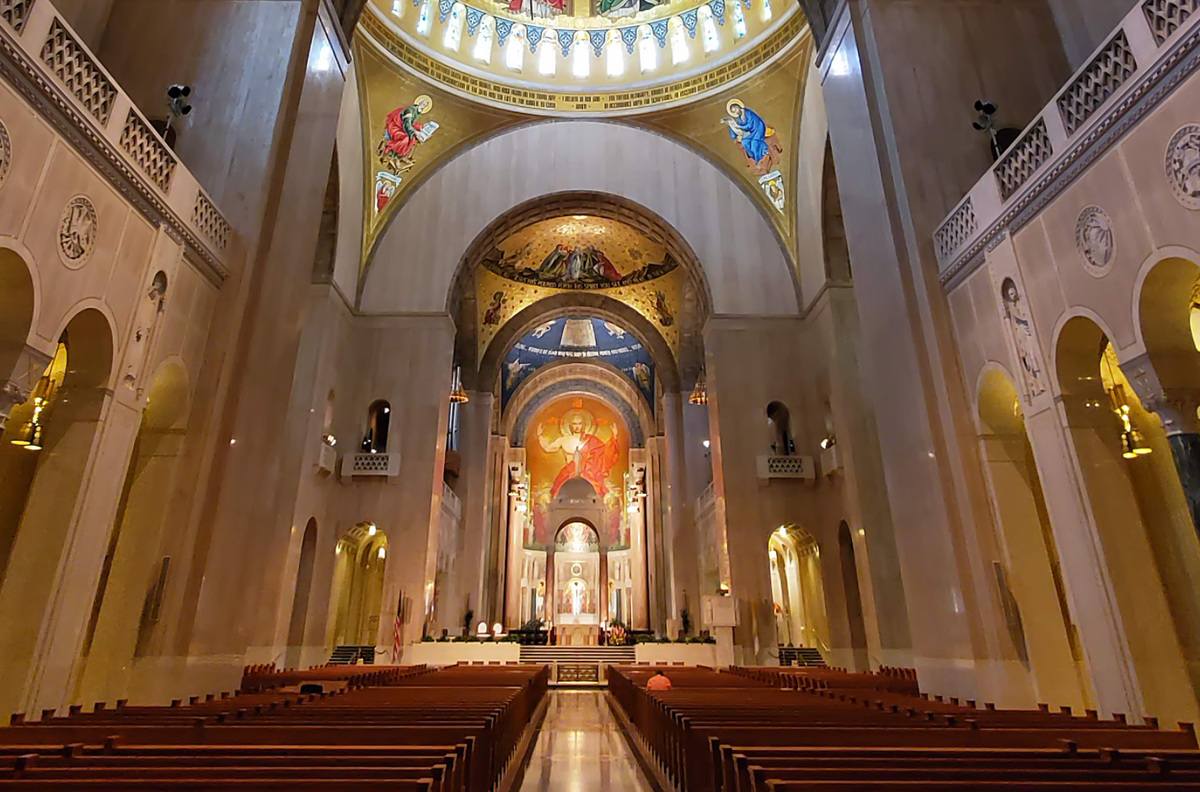
The Basilica of the National Shrine of the Immaculate Conception is unlike any other church in the world.
This site's editor-in-chief is a Catholic husband, father, and author. He loves sharing the Catholic faith through art and graphic design. Check out his prayer books and coloring books on Amazon.com
The Basilica of the National Shrine of the Immaculate Conception is unlike any other church in the world.
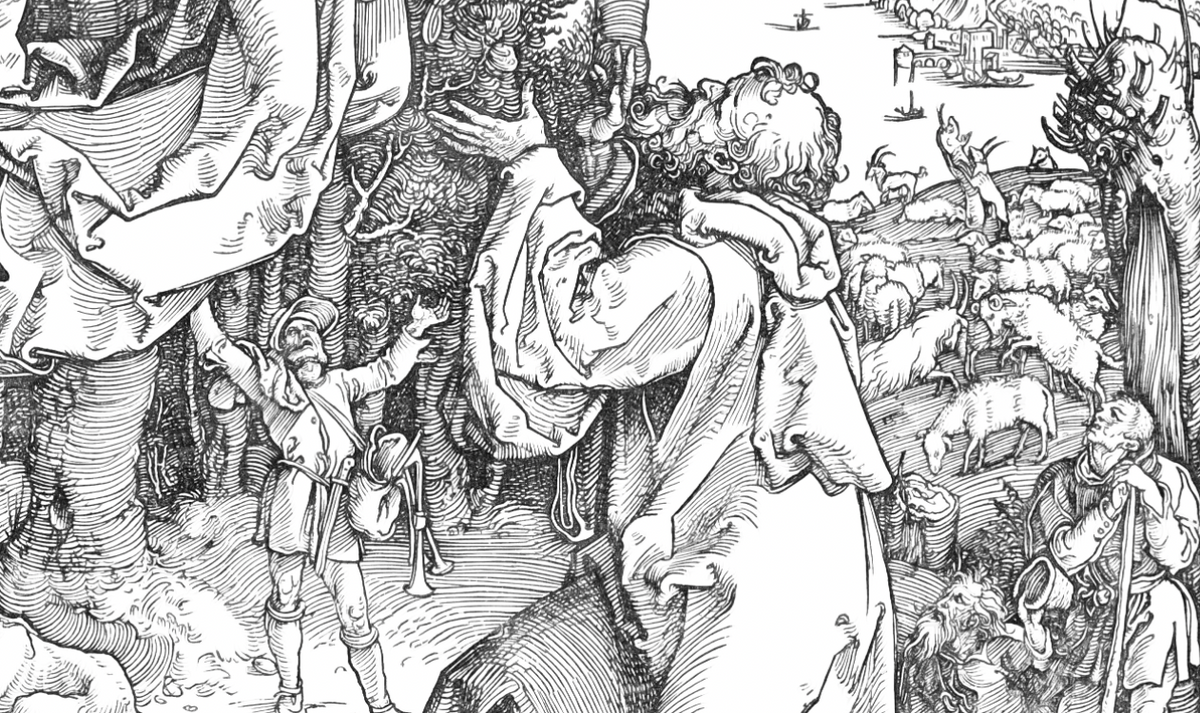
The story of Joachim, his wife Anne (or Anna), and the miraculous birth of their child Mary, the mother of Jesus, is told for the first time in the 2nd century apocryphal infancy-gospel the Gospel of James (also called Protoevangelium of James).
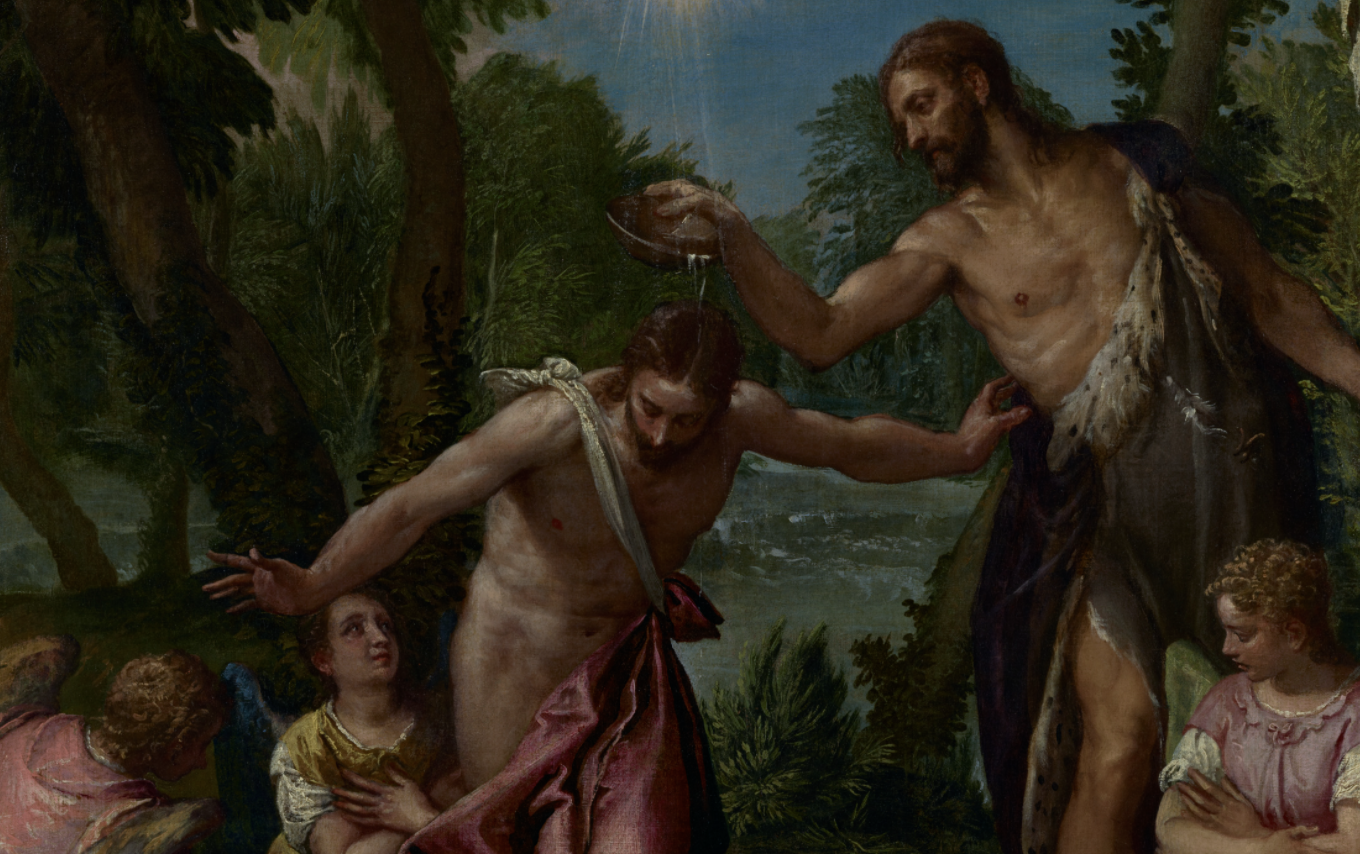
Wading carefully through the water of the River Jordan, Christ leans his upper body forward, and extends his arms for balance, his fingertips gently touching Saint John the Baptist's side. Christ’s outstretched arms may prefigure his position on the cross at his crucifixion.
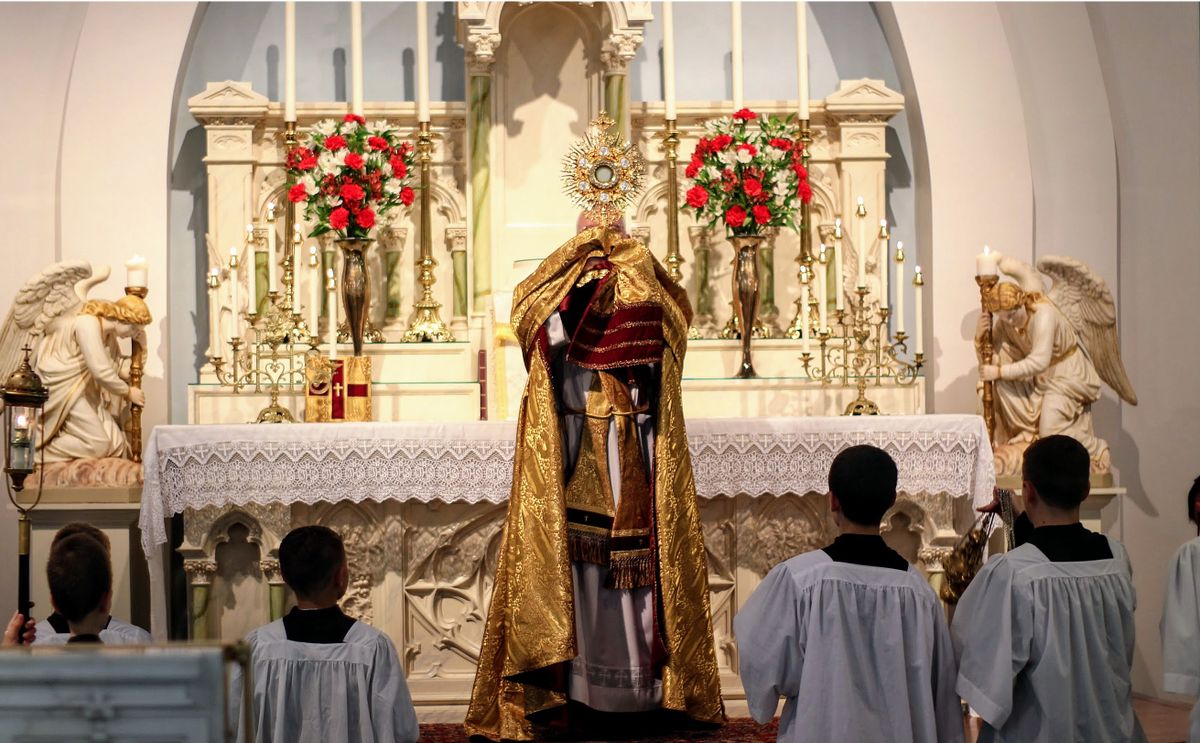
The Feast of Corpus Christi (Ecclesiastical Latin: Dies Sanctissimi Corporis et Sanguinis Domini Iesu Christi, lit.
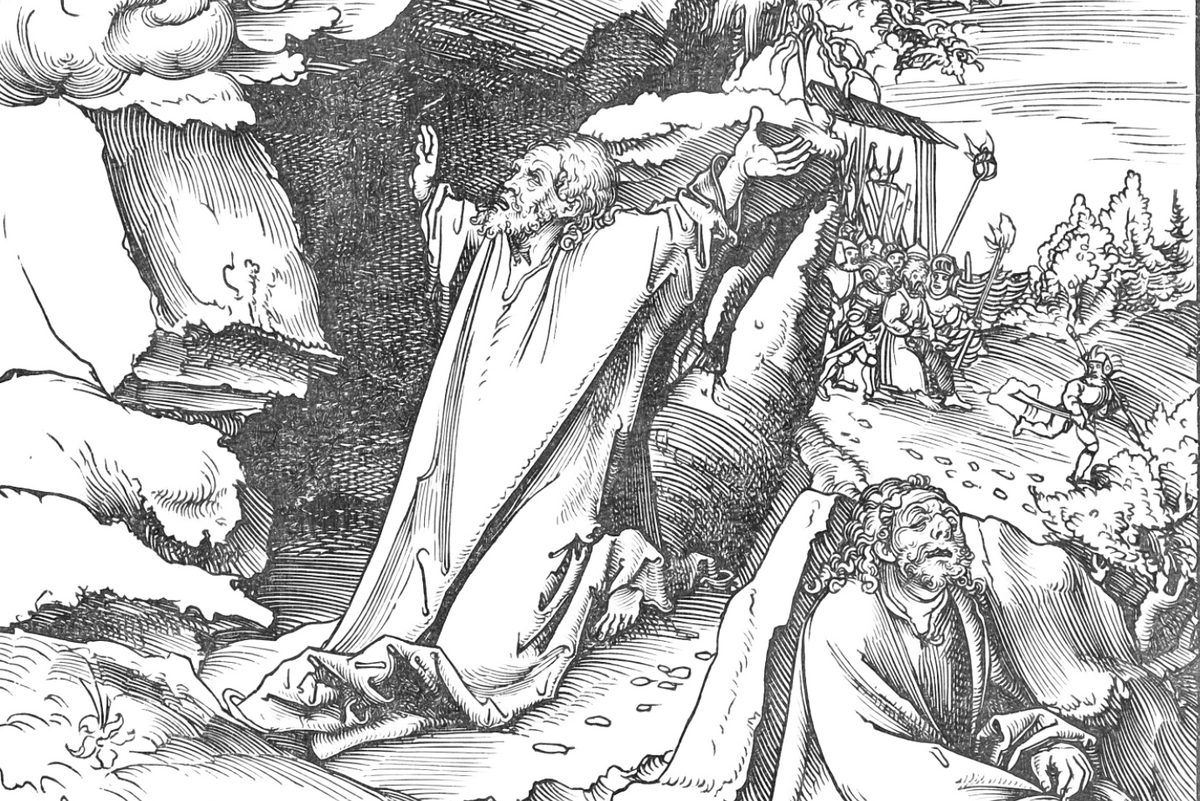
The Mount of Olives or Mount Olivet is a mountain ridge east of and adjacent to Jerusalem's Old City. It is named for the olive groves that once covered its slopes. The southern part of the mount was the Silwan necropolis, attributed to the ancient Judean kingdom.
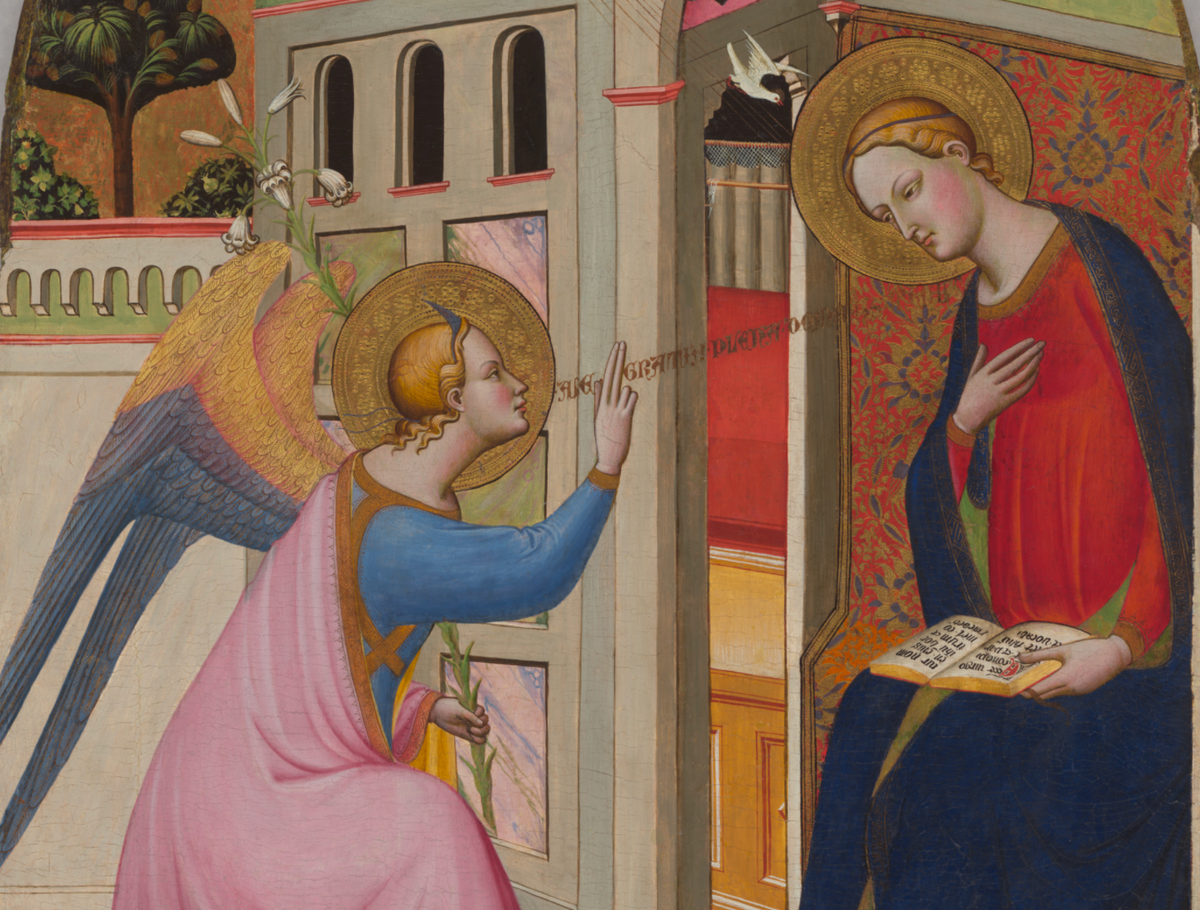
The words Ave gratia plena Dominus tecum (Greetings most favored one! The Lord is with you) from Saint Luke’s Gospel (1:8) emerge from the archangel Gabriel’s mouth as he announces the conception of Christ to the Virgin Mary.
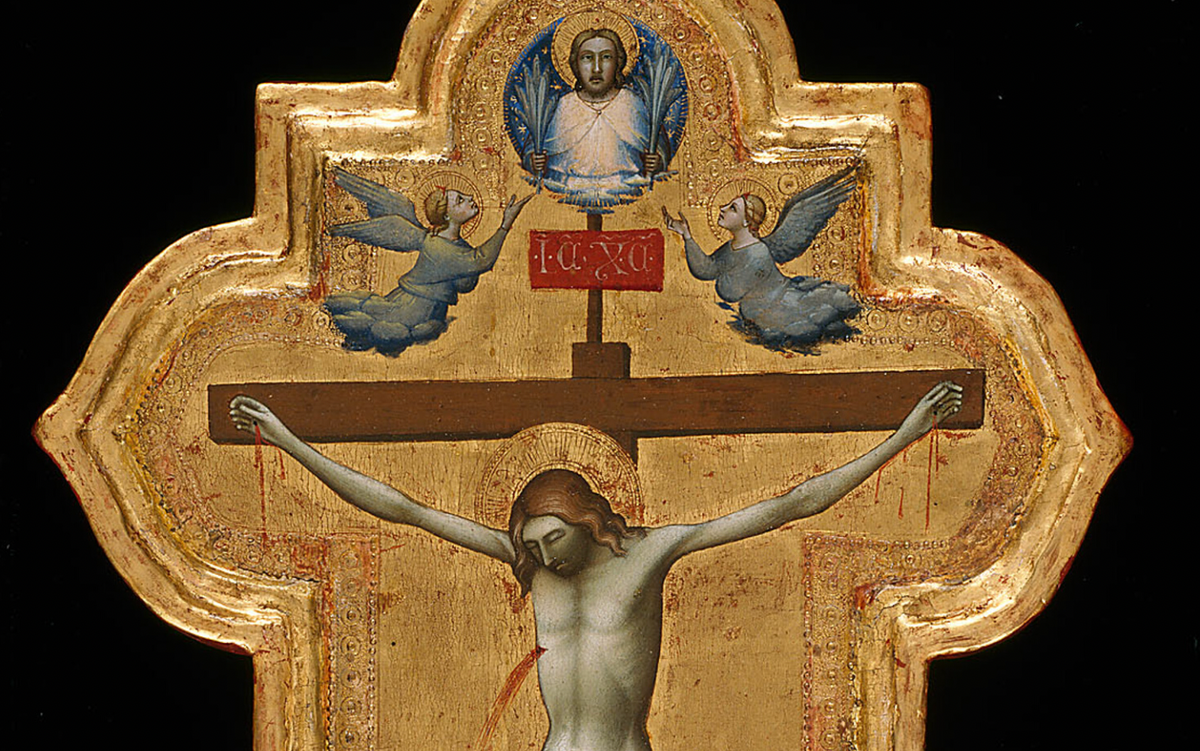
Representative of the early work of Lorenzo Monaco, a Camaldolese monk and leading Florentine painter of the end of the fourteenth century and the beginning of the fifteenth century, the delicate colors and simplified forms of this Crucifixion are exceptionally well preserved.
Abigail was married to Nabal; she became married to the future King David after Nabal's death (1 Samuel 25). Abigail was David's second wife, after Saul and Ahinoam's daughter, Michal, whom Saul later married to Palti, son of Laish when David went into hiding.
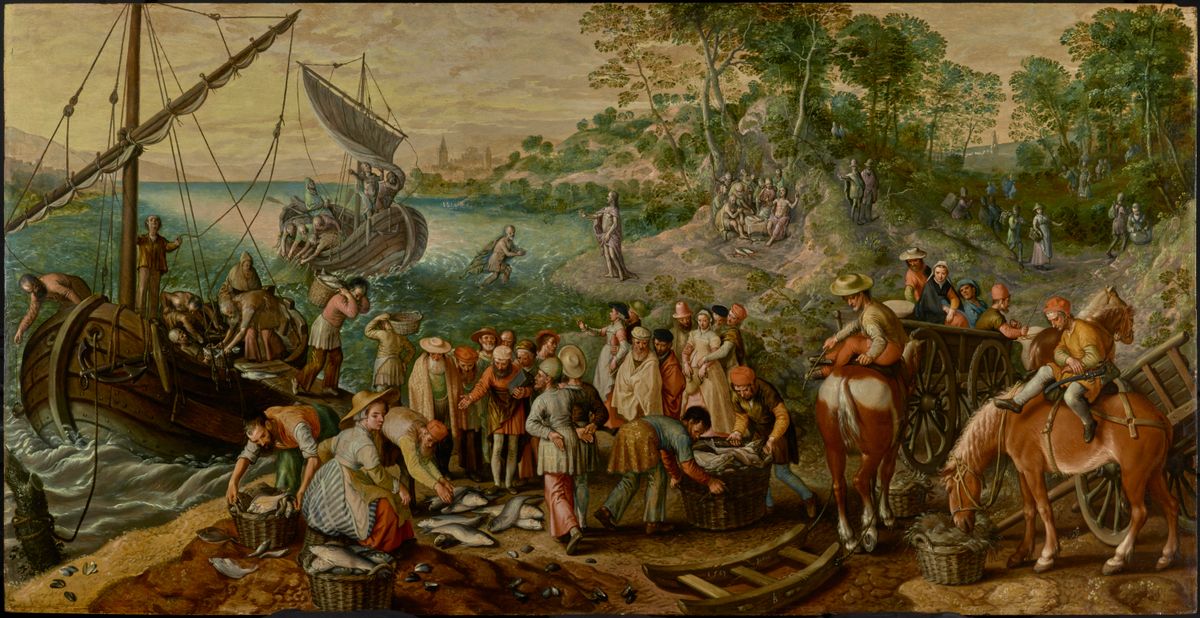
At the left, Saint Peter and other disciples of Christ pull their teeming nets of fish aboard a boat. After an unsuccessful night of fishing on the Sea of Tiberius, the tired and hungry disciples had seen a man standing on the shore and followed his advice to cast their nets over the boat's right…
Named for Pope John Paul II’s first encyclical, Redemptor Hominis (Redeemer of Man), the Shrine’s church invites its visitors to contemplate the mystery of God’s profound love for mankind, to worship Him, and to receive Him.
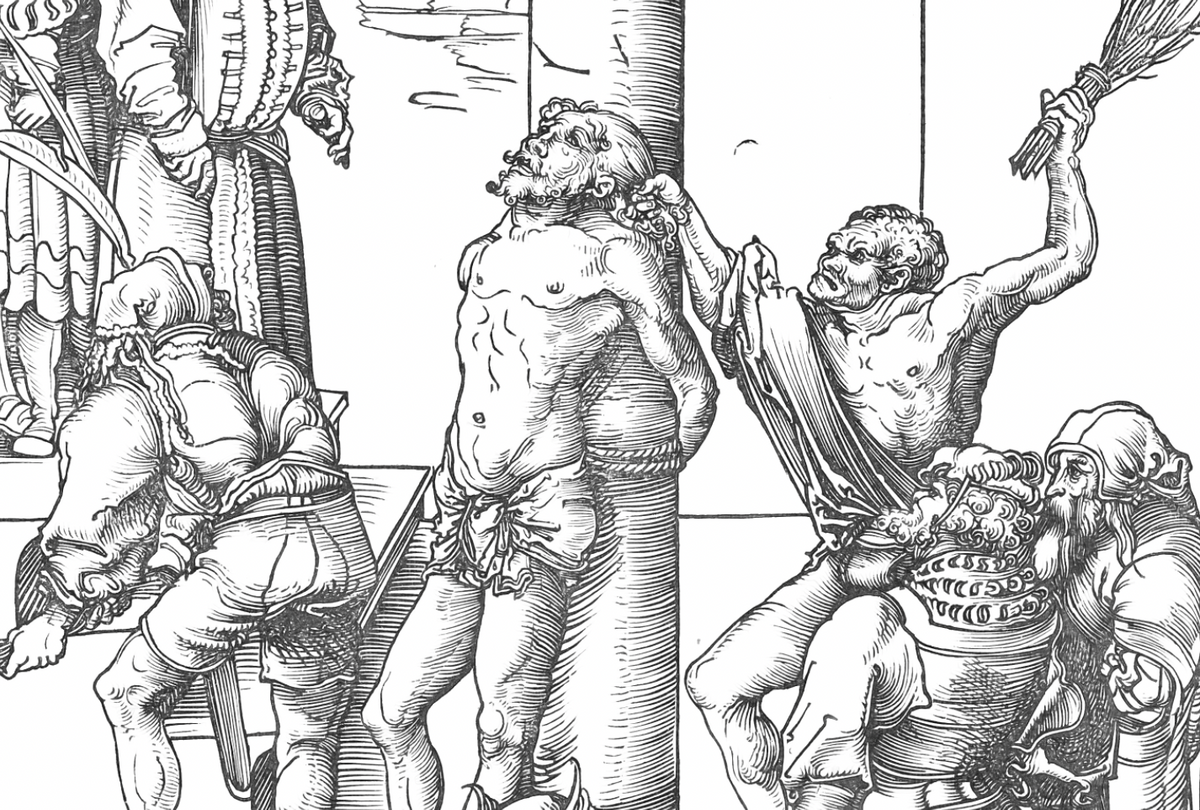
The Flagellation of Christ, sometimes known as Christ at the Column or the Scourging at the Pillar, is a scene from the Passion of Christ very frequently shown in Christian art, in cycles of the Passion or the larger subject of the Life of Christ.
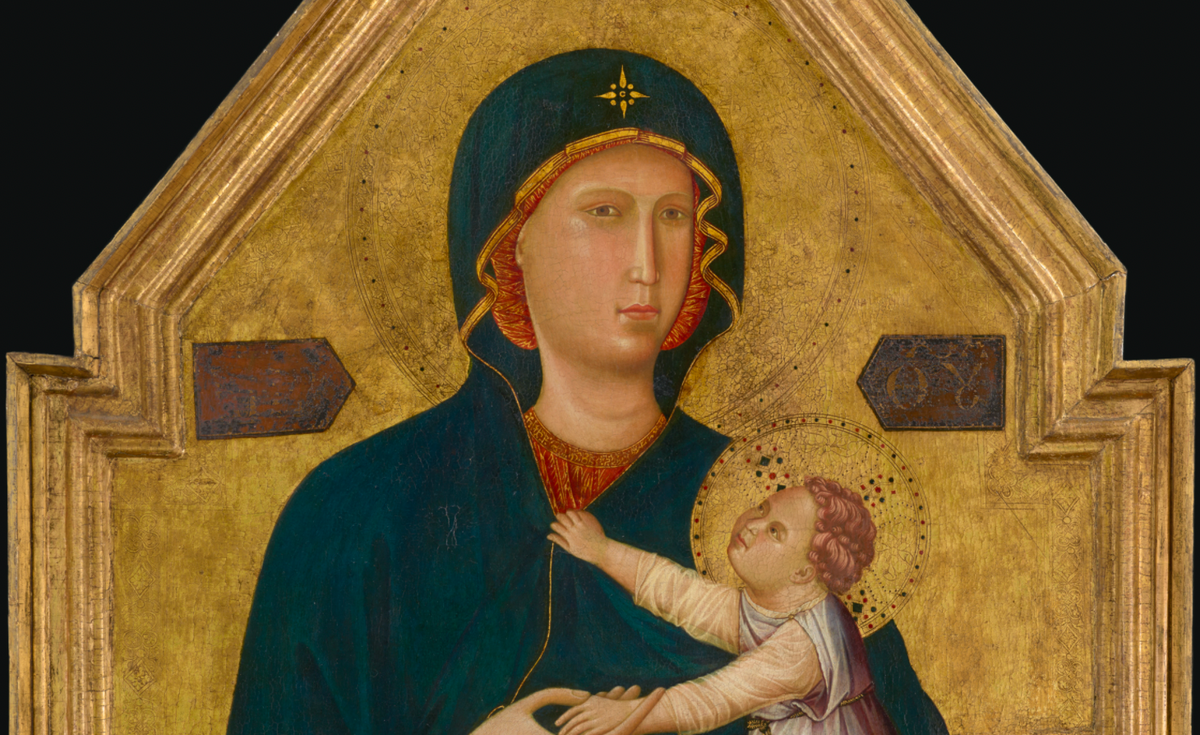
The Virgin Mary, hieratic and still, looks out toward the viewer while gently supporting Christ with her left arm. The smiling infant gazes lovingly toward her and playfully stretches out his arm, grabbing the edge of her gold-trimmed, blue cloak.
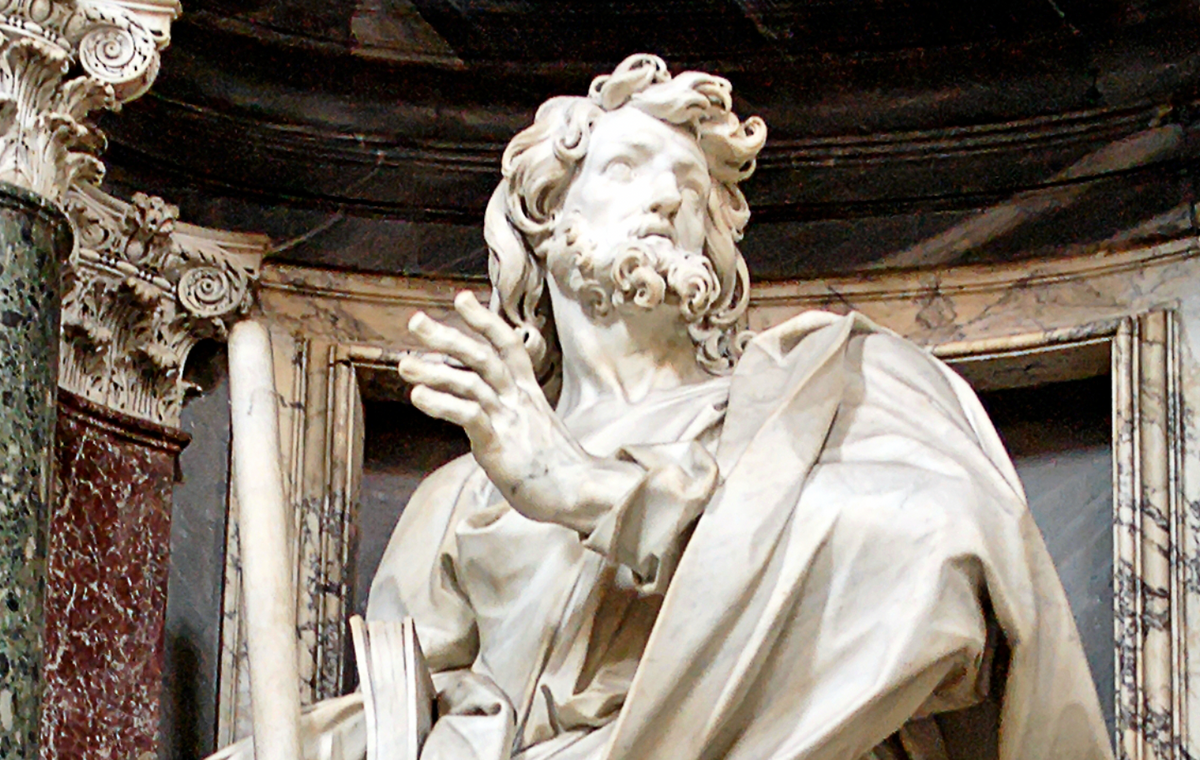
This statue of Saint James the Less was made by Angelo de Rossi. Angelo (1671 – June 12, 1715) was an Italian sculptor. Born in Genoa, he was apprenticed to Filippo Parodi in 1680; Parodi's influence is clear in his first pre-1689 work, a Small Satyr in marble.
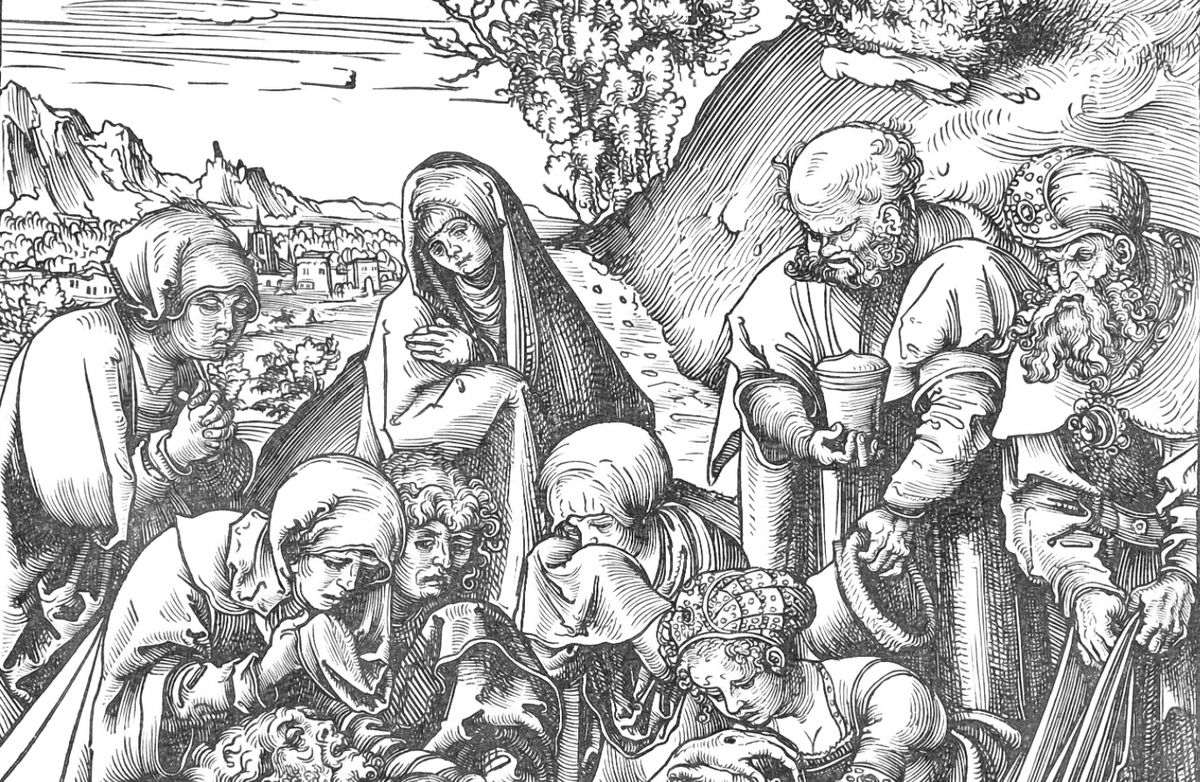
The Lamentation of Christ is a very common subject in Christian art from the High Middle Ages to the Baroque. After Jesus was crucified, his body was removed from the cross and his friends mourned over his body. This event has been depicted by many different artists.
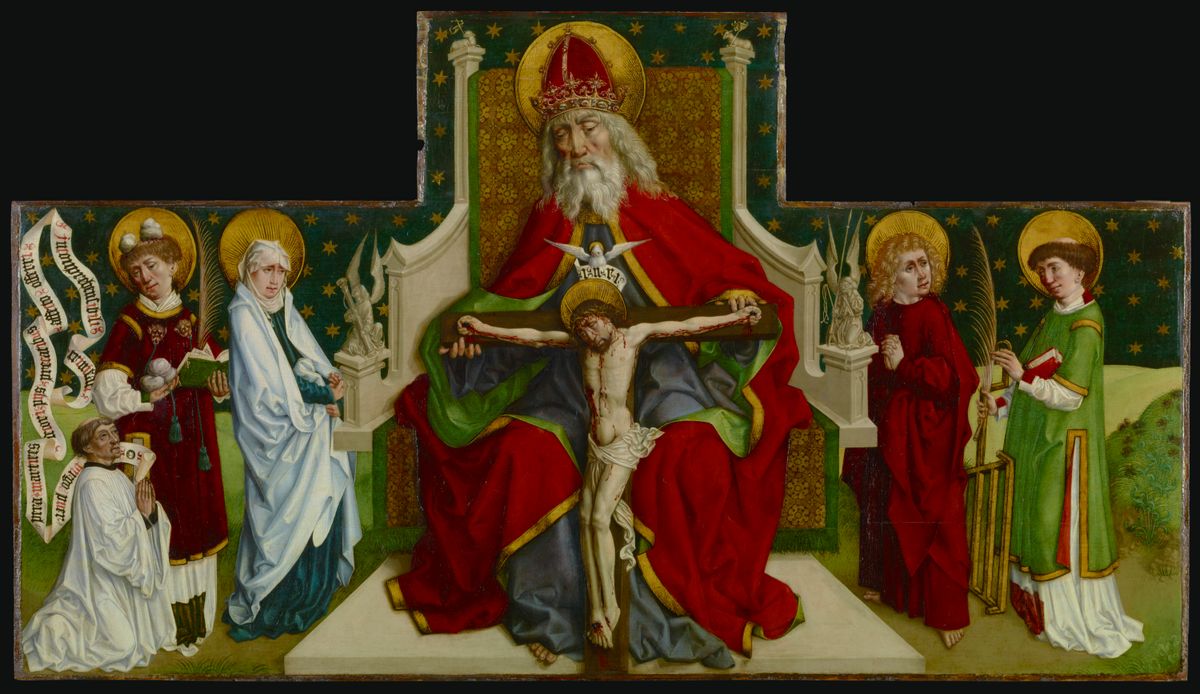
God the Father sits enthroned, holding the crucified Christ with the Holy Spirit between them, all three dominating the composition. Together they represent the Trinity, the central doctrine of the Christian faith, in which all three are united as one.
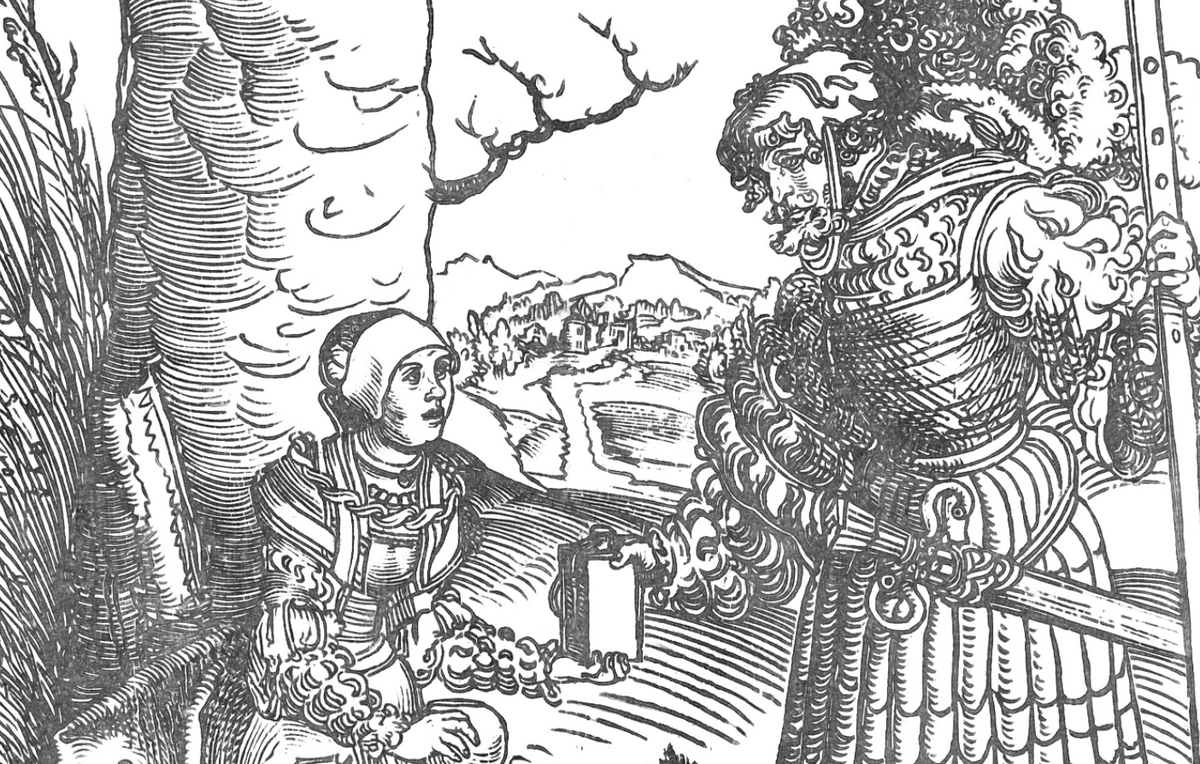
Christina is an early virgin Christian martyr. She was born into a rich family, and her father was governor of Tyre. By the age of 11 the girl was exceptionally beautiful, and many wanted to marry her. Christina's father, however, envisioned that his daughter should become a pagan priestess.
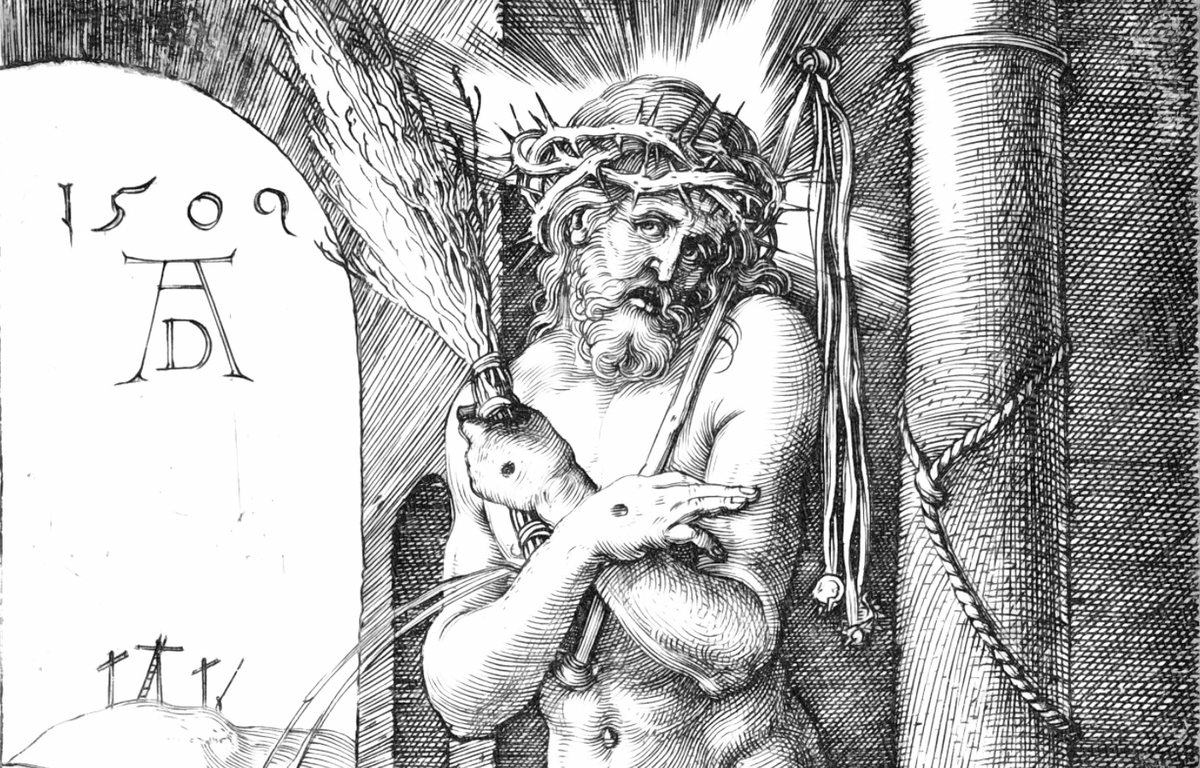
Man of Sorrows, a biblical term, is paramount among the prefigurations of the Messiah identified by the Bible in the passages of Isaiah 53 (Servant songs) in the Hebrew Bible.
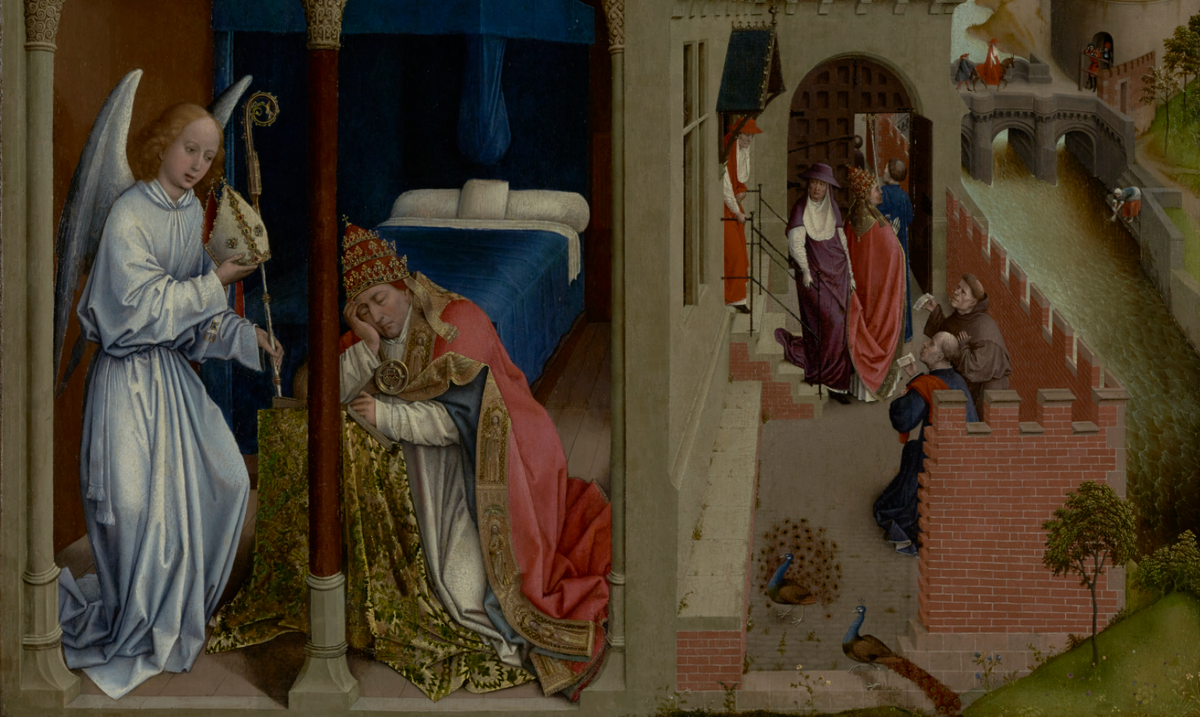
A cut-away wall reveals a small bedroom where an angel appears to Pope Sergius in his sleep. The angel tells Sergius that the bishop Saint Lambert has been assassinated and Sergius is to appoint a new bishop, Saint Hubert.
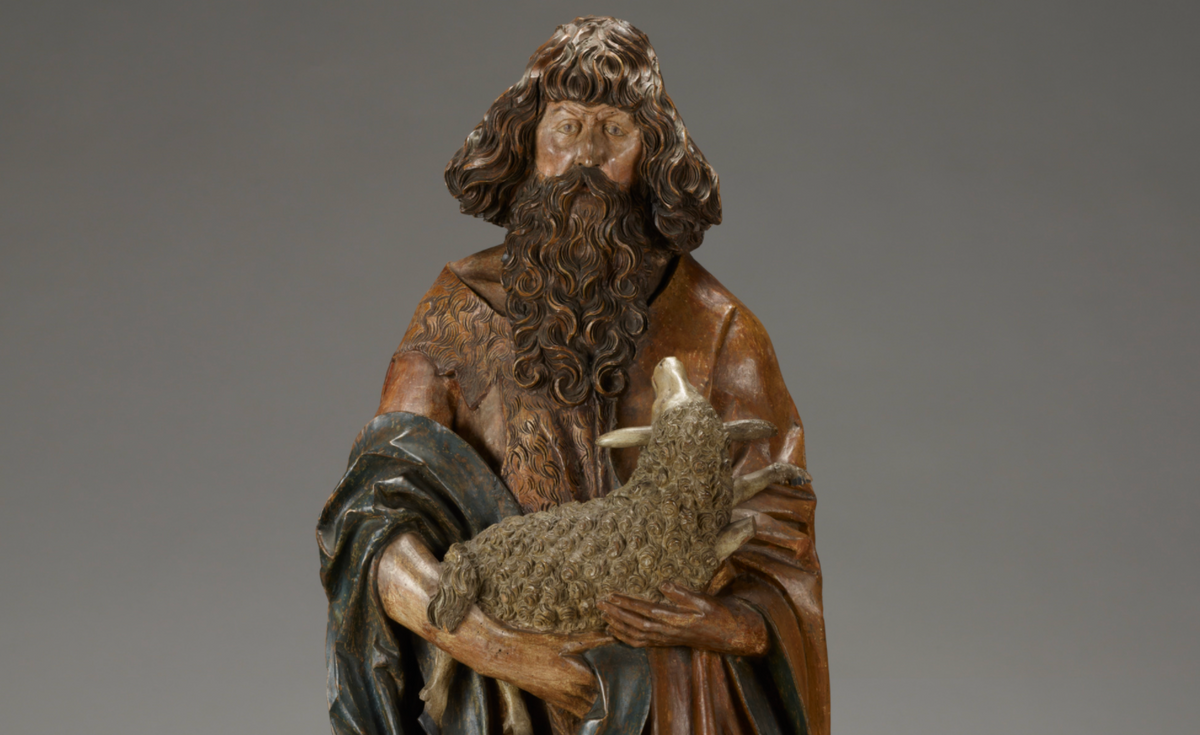
Saint John the Baptist cradles the Holy Lamb, a symbol of the sacrificial Christ. The sculpture illustrates the saint's exclamation, "Behold the Lamb of God who takes away the sin of the world" (John 1:29).
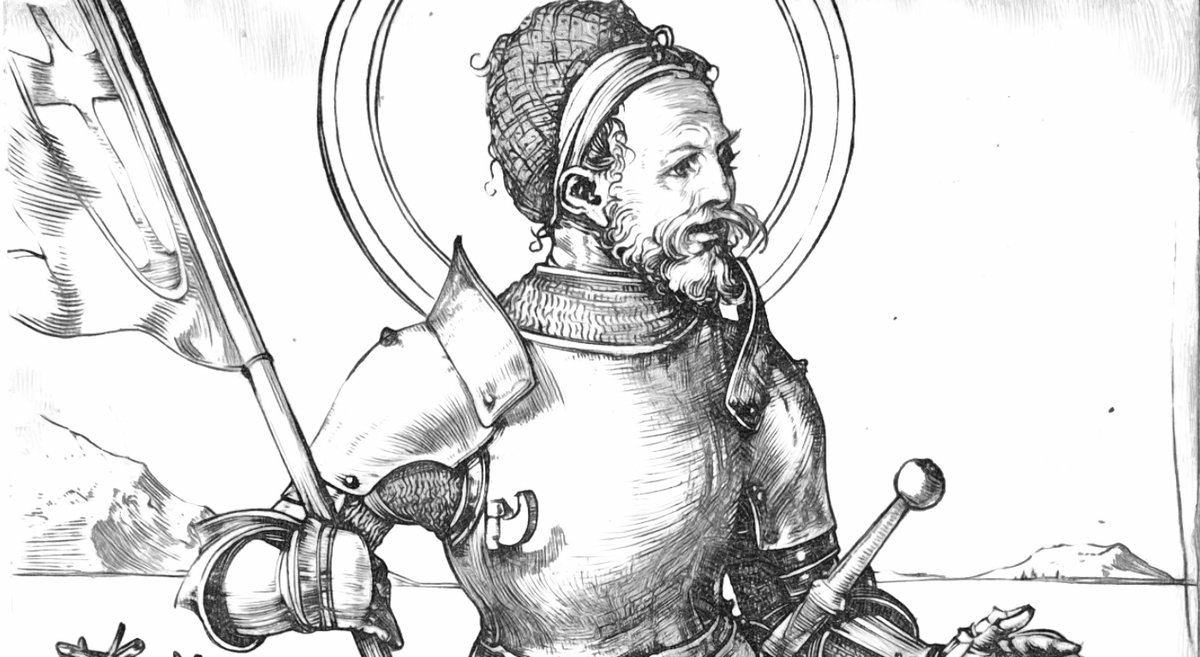
Saint George (died 23 April 303), also George of Lydda, was a Christian who is accepted as a saint in Christianity. According to traditional rumors, he was a soldier in the Roman army. His parents were Christians of Greek origin. His father, Gerontius, was a Cappadocian serving in the Roman army.
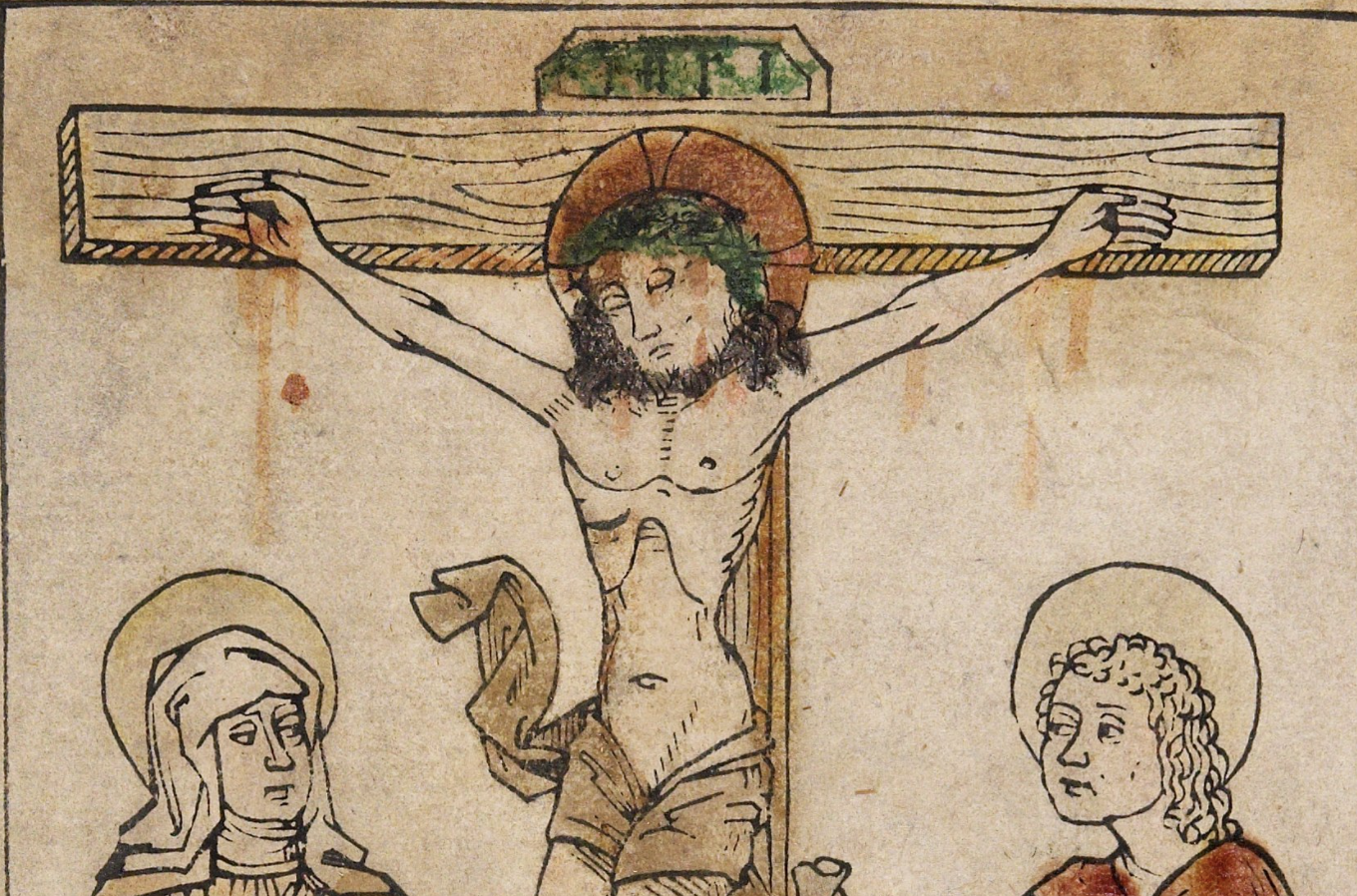
For the medieval viewer, this Crucifixion instantly recalled wrenching extra-biblical details, like the fact that Christ could not rest his head to the side lest his shoulders be pierced with thorns.
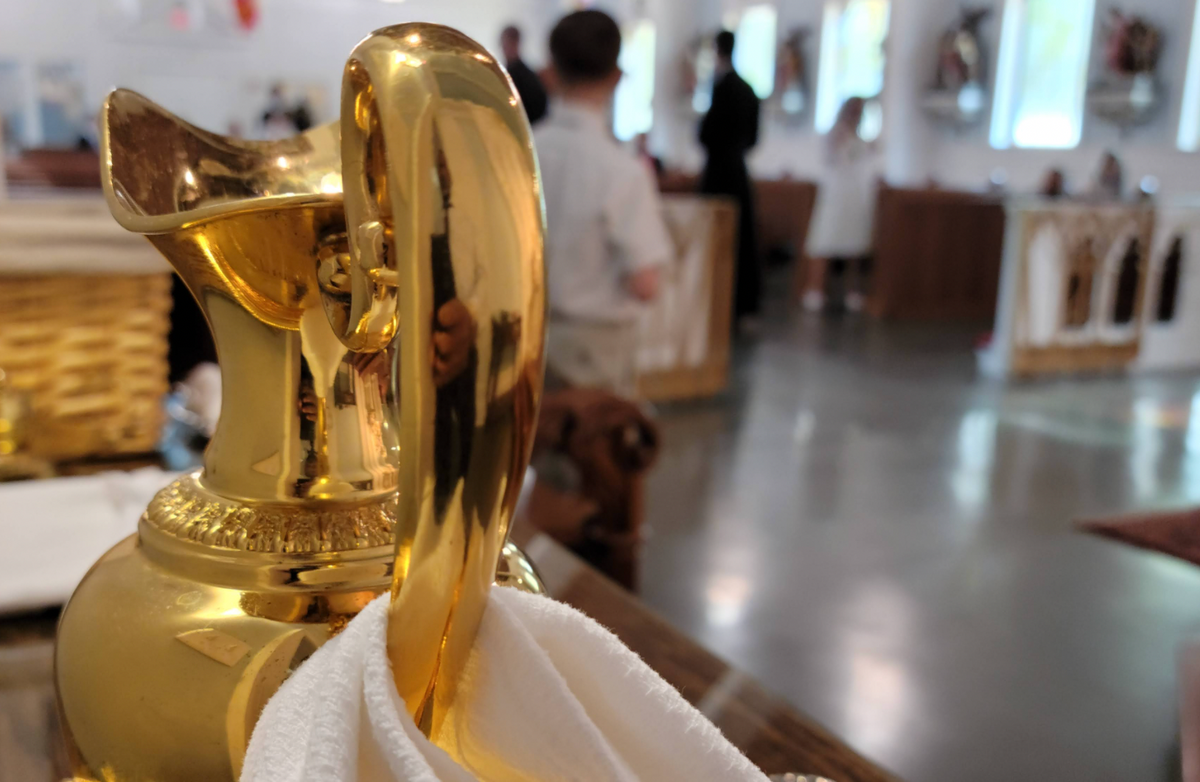
Cruets are small vessels of glass or metal that hold the water and wine which are to be mixed in the Chalice for the Sacrifice of the Mass. They are also used for the Lavabo and the ablutions. —from page 76 of Treasure and Tradition: The Ultimate Guide to the Latin Mass by Lisa Bergman
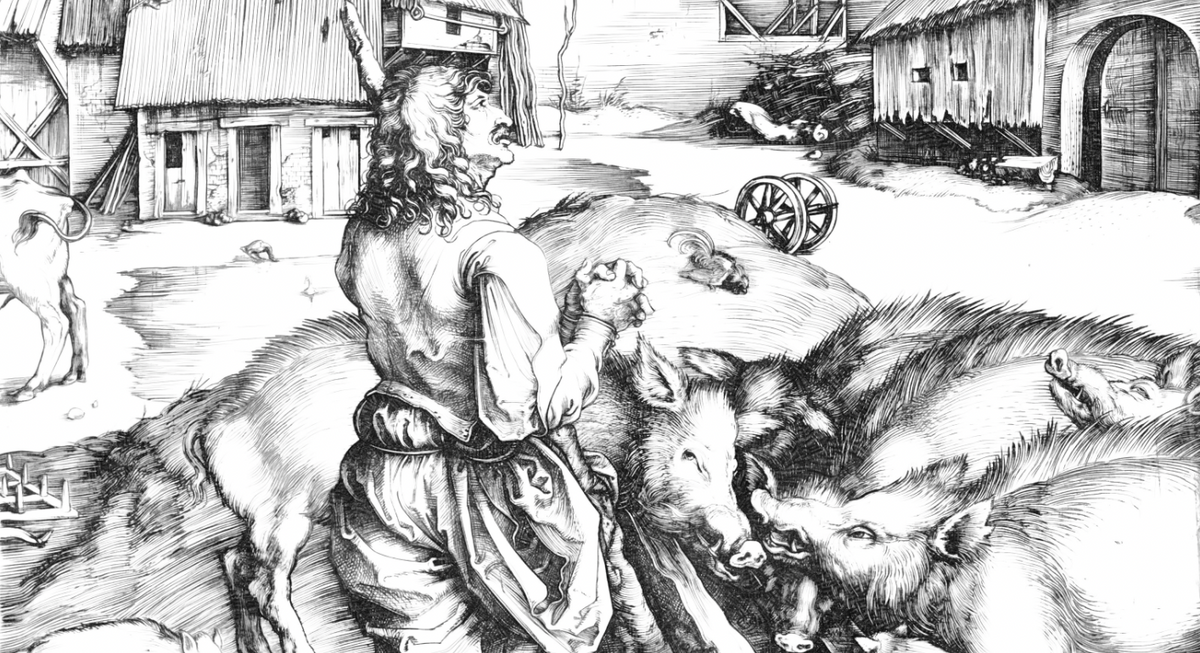
The Parable of the Prodigal Son (also known as the parable of the Two Brothers, Lost Son, Loving Father, or of the Forgiving Father) is one of the parables of Jesus in the Bible, appearing in Luke 15:11–32. Jesus shares the parable with his disciples, the Pharisees and others.
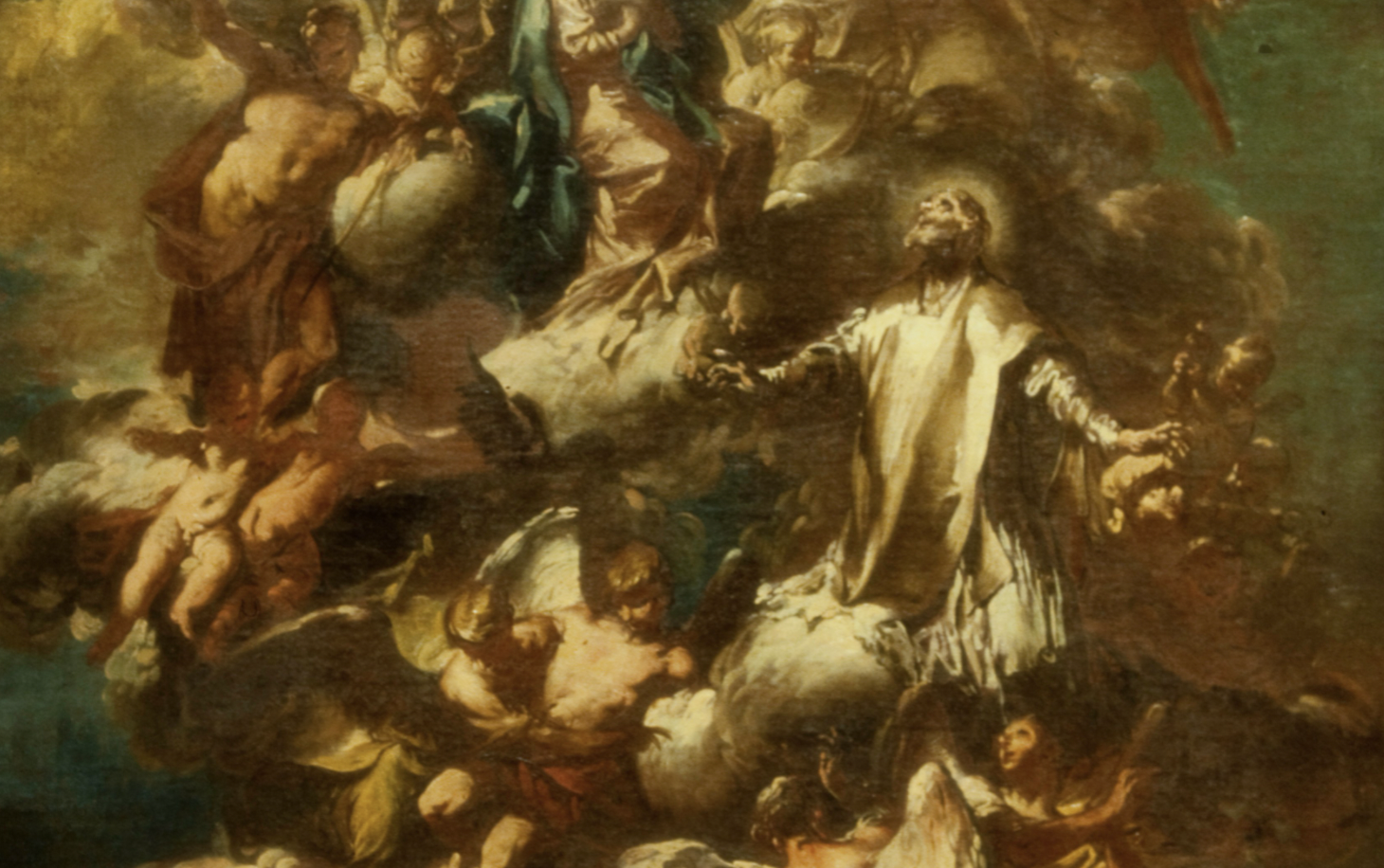
St. Philip Neri was a Christian missionary and founder of the Congregation of the Oratory, a community of Catholic priests and lay brothers. Giovanni Domenico Ferretti (Giandomenico), also called Giandomenico d'Imola (15 June 1692 – 18 August 1768) was an Italian Rococo style painter from Florence.