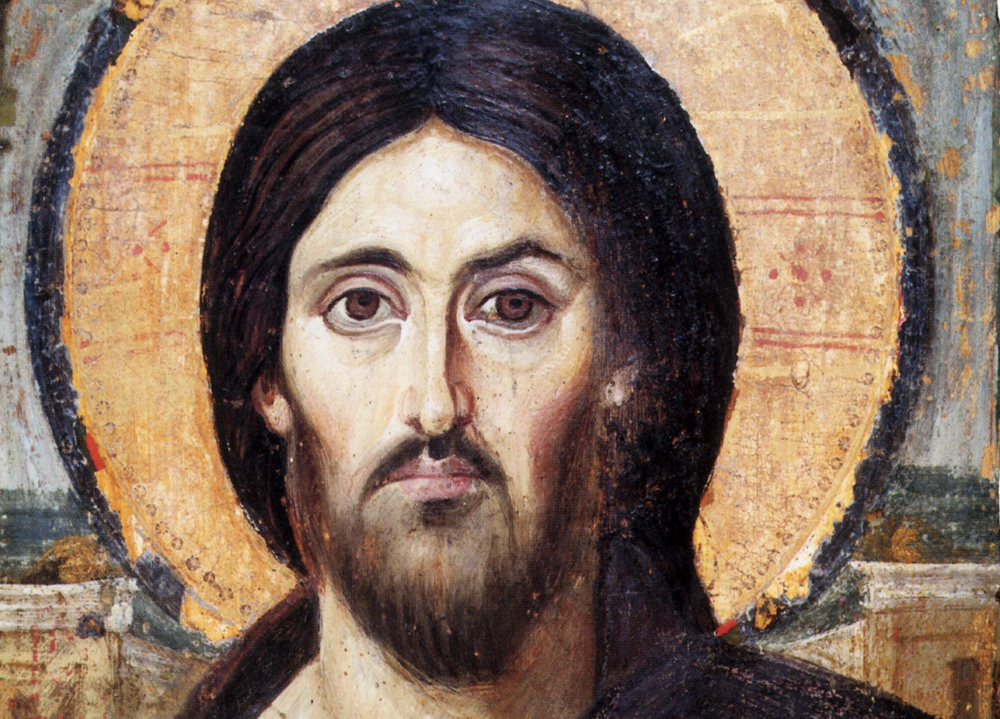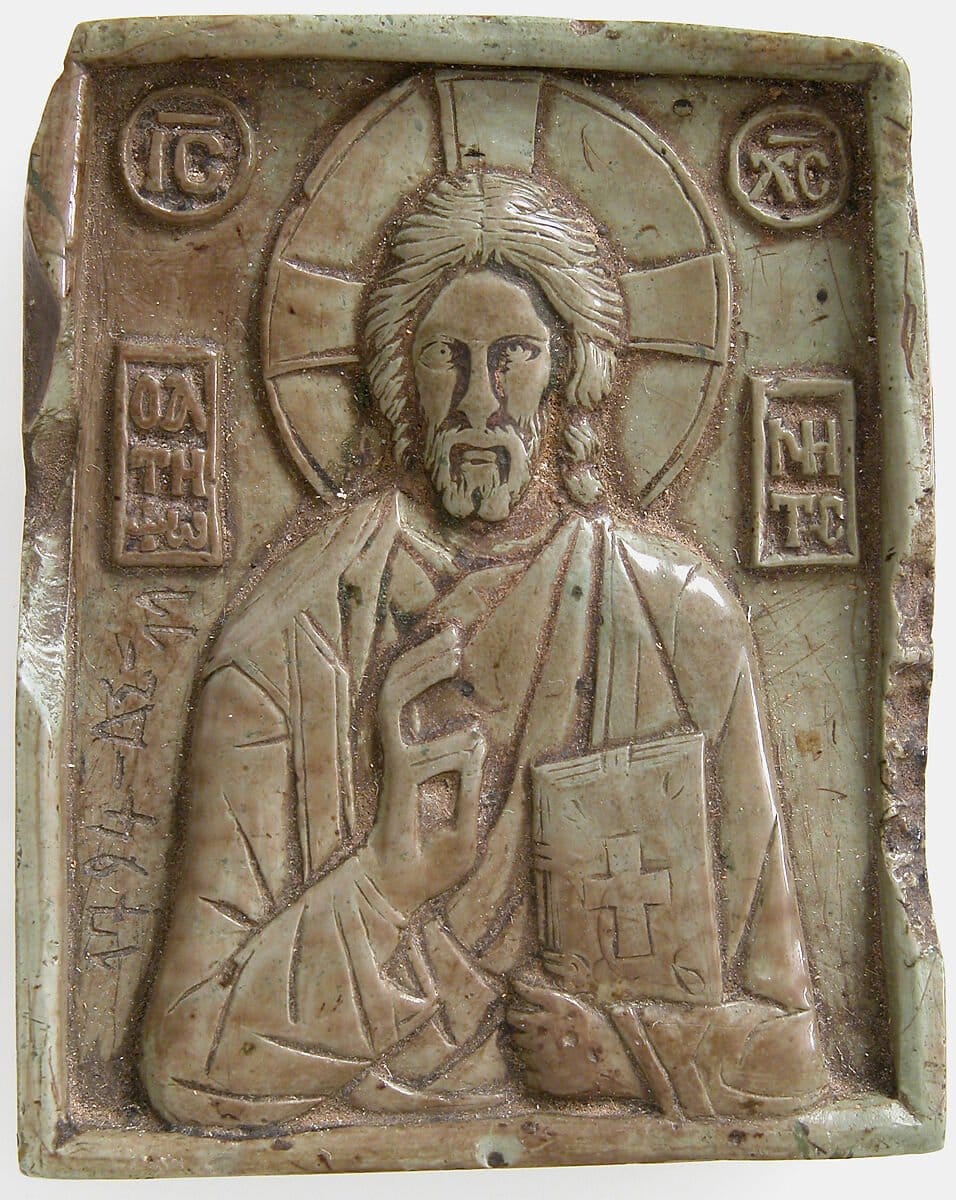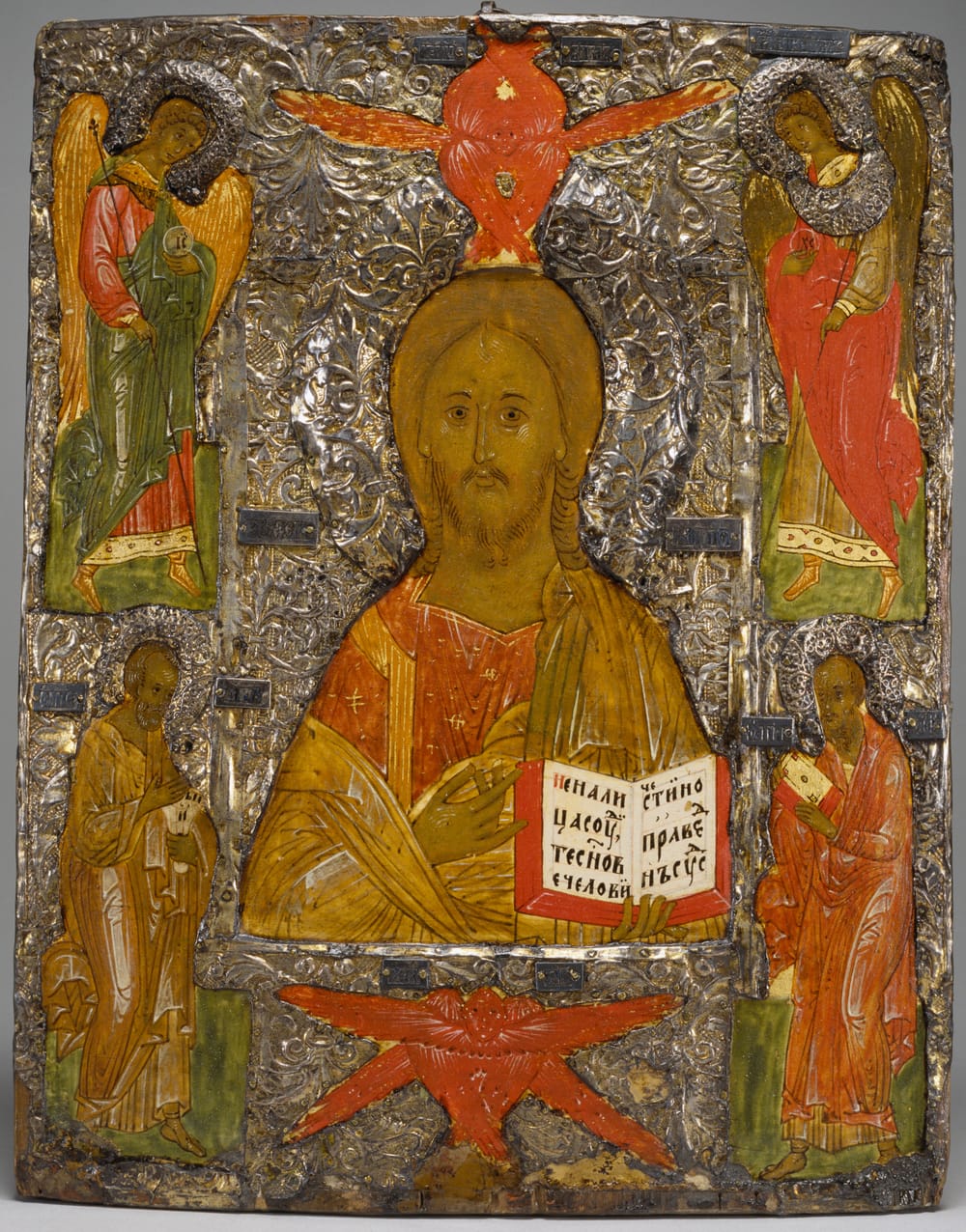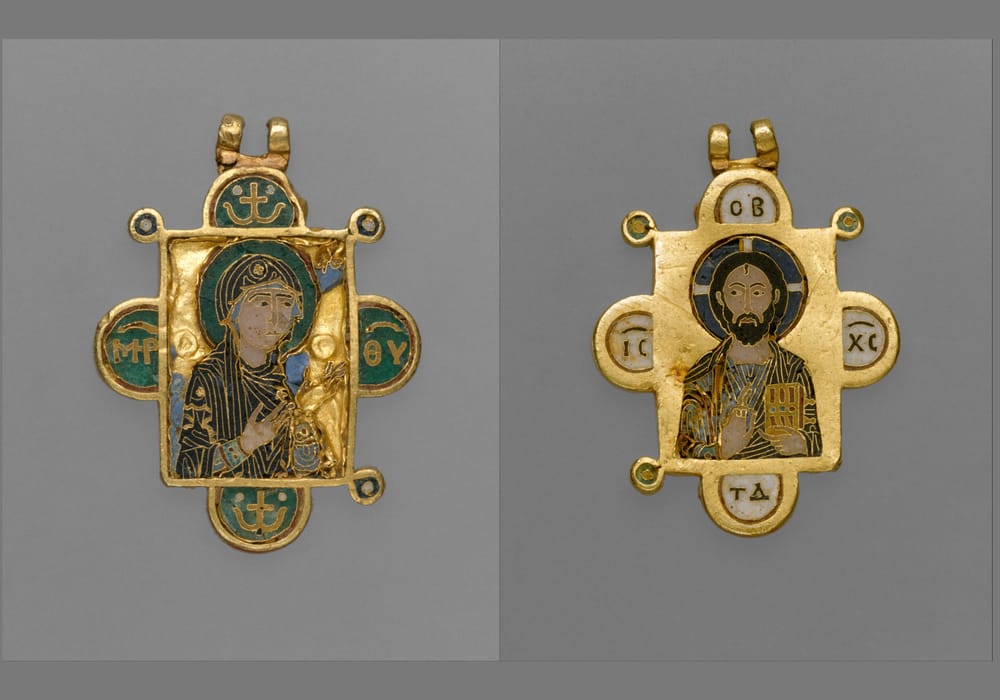
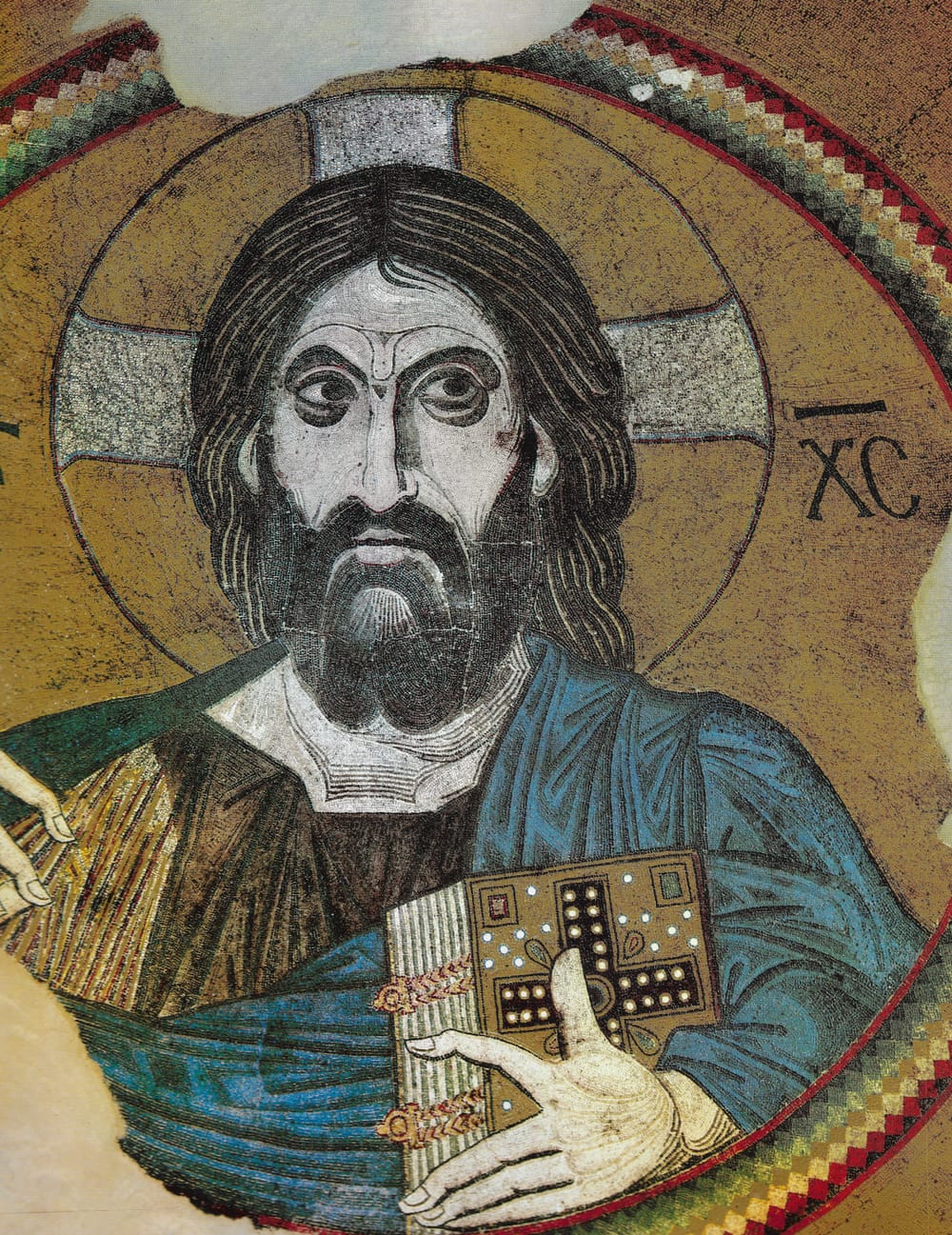
"Pantocrator" comes from the Greek for "ruler of all." It is the traditional Byzantine image of Christ, shown facing the viewer with one hand raised in blessing and the other holding the Gospel book. Versions of it appear in mosaics, icons and church domes across the Orthodox and Eastern Catholic world, and it remains one of the most recognizable images in Christian art.

Here are the examples in the collection. Click any title to see the full post, or use the download link under each image.
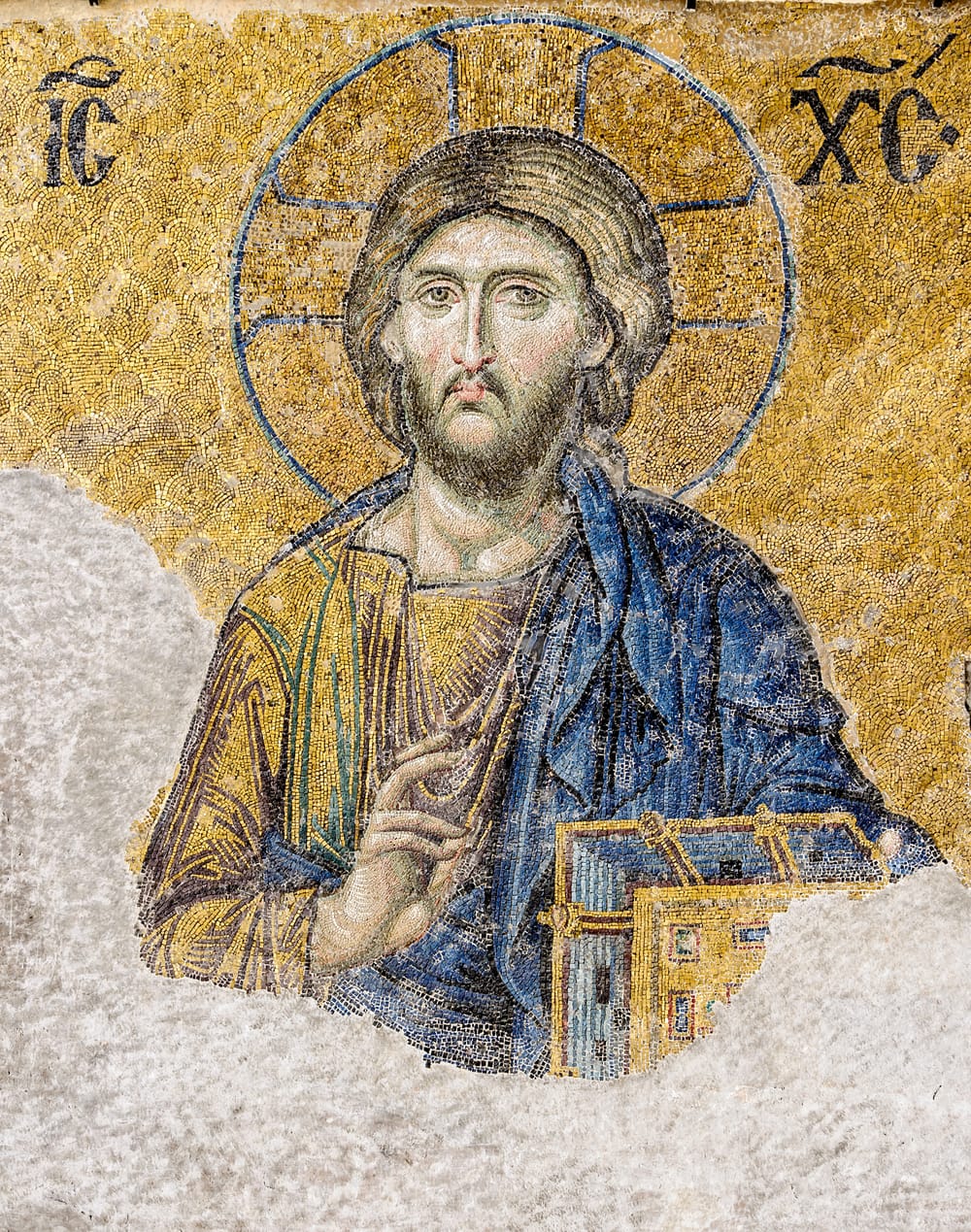
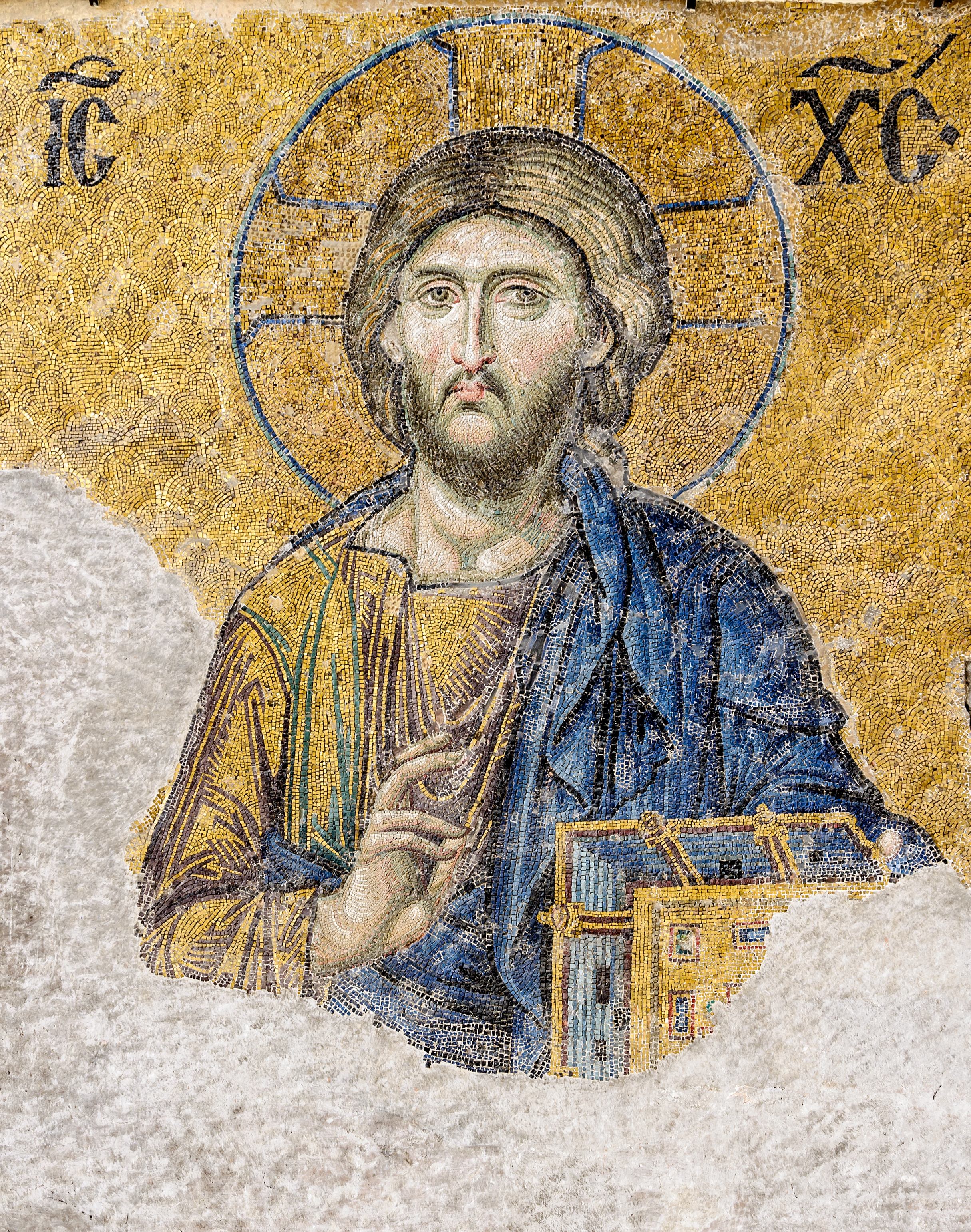
The Christ Pantocrator of the Deesis mosaic (13th-century) in Hagia Sophia (Istanbul, Turkey)
Christ Pantocrator in Daphni Monastery (11th Century)
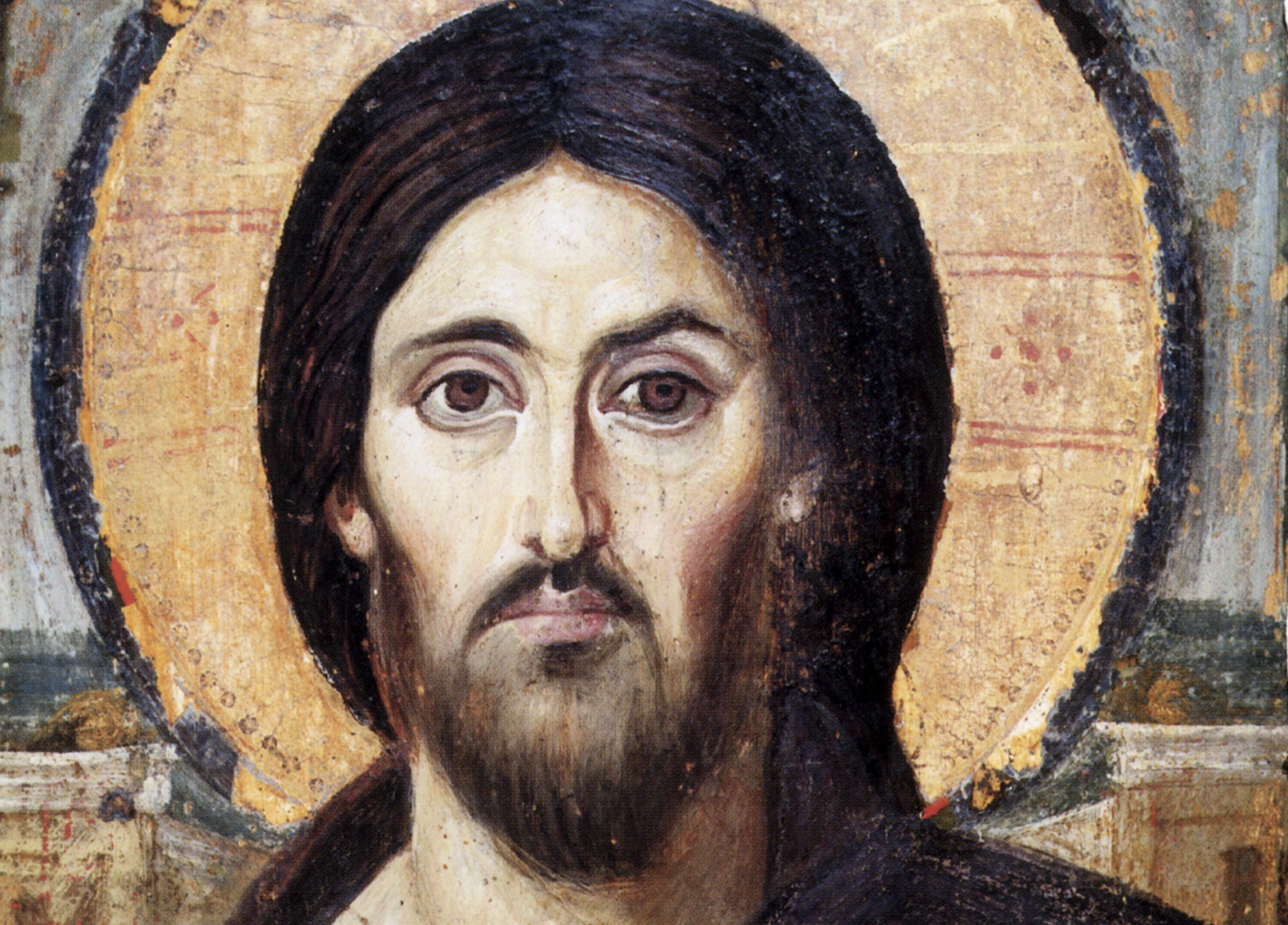
Christ the Saviour (Pantokrator) (550) by Unknown
Icon with Christ Pantokrator (1350 or later)
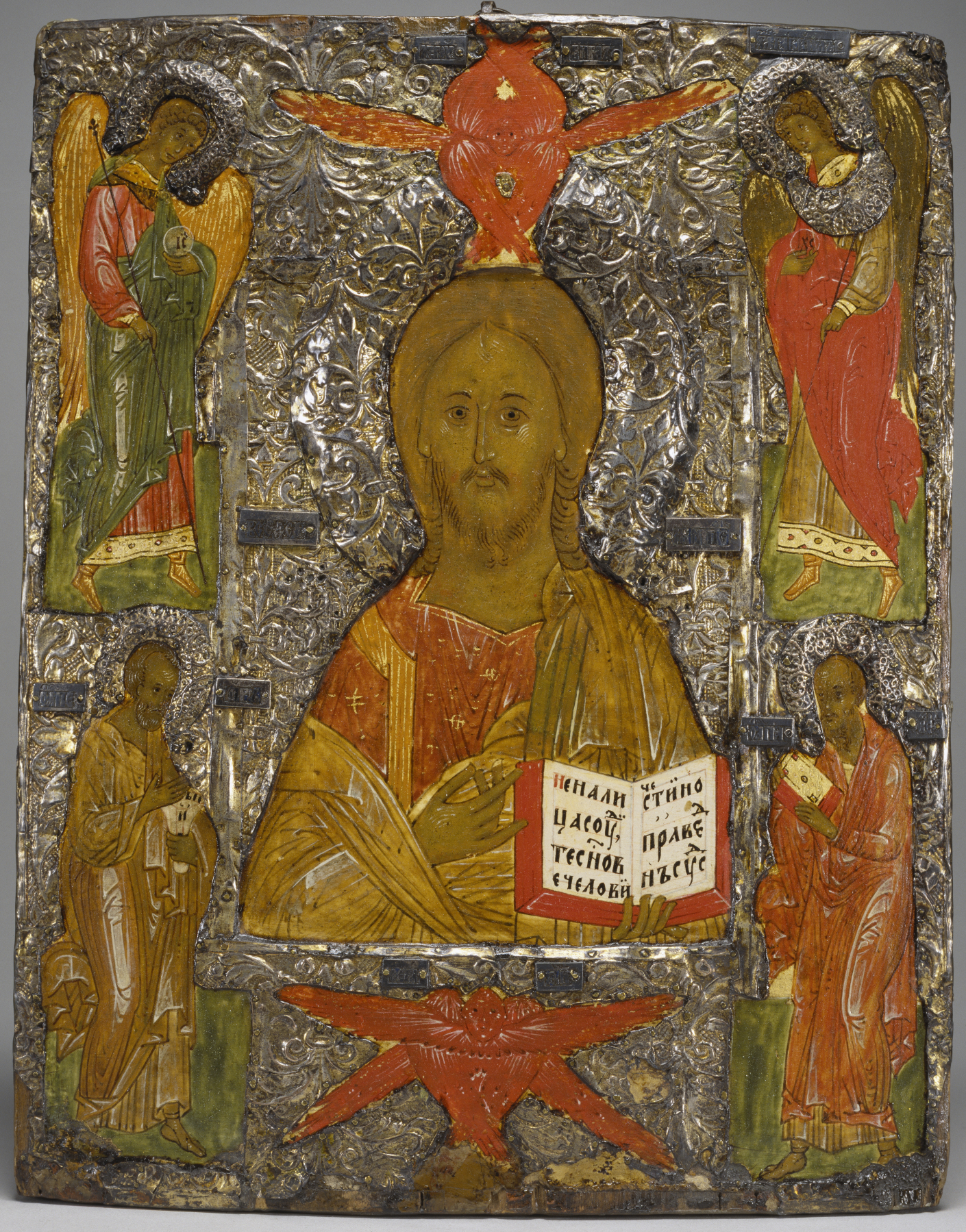
Christ Pantokrator (Russian 16th century)
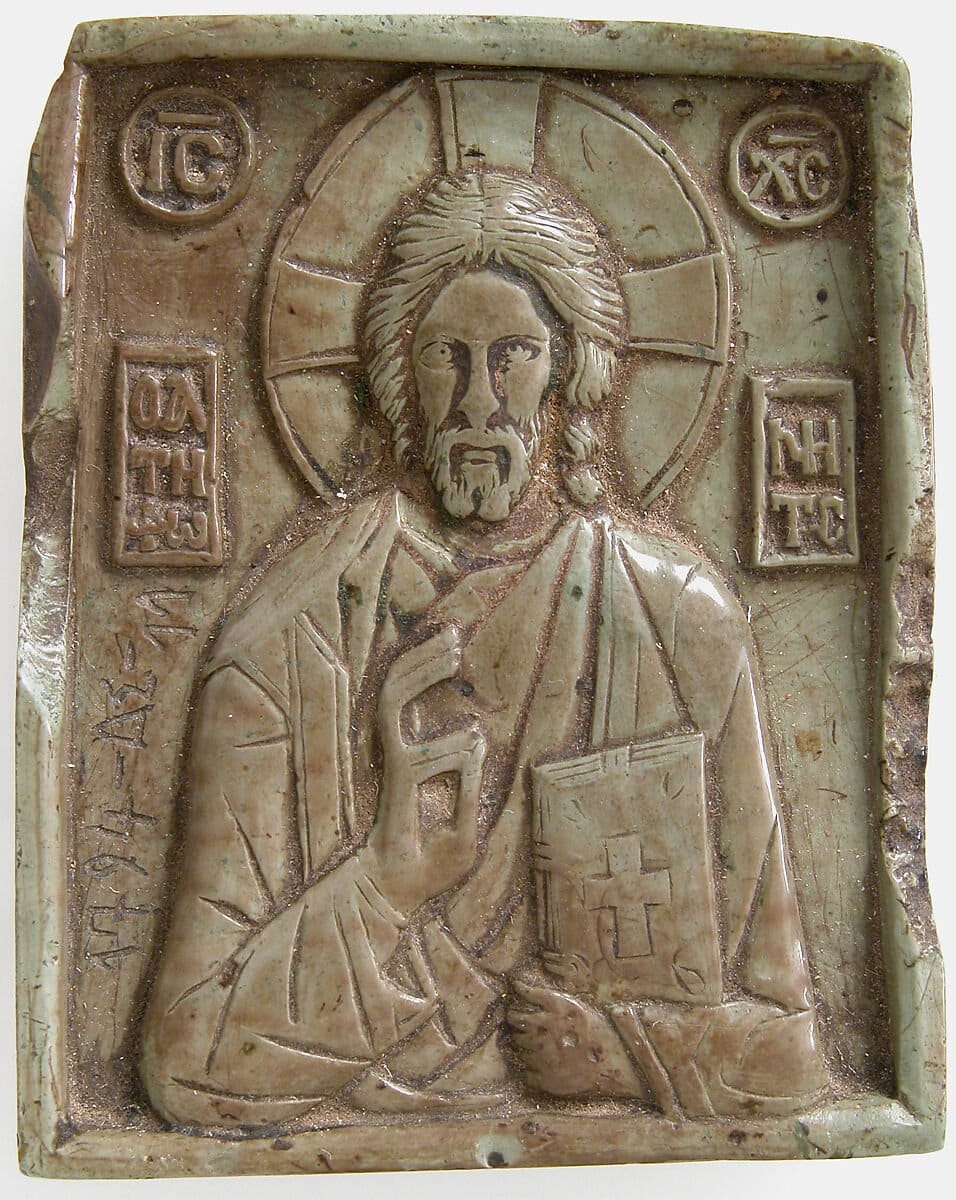
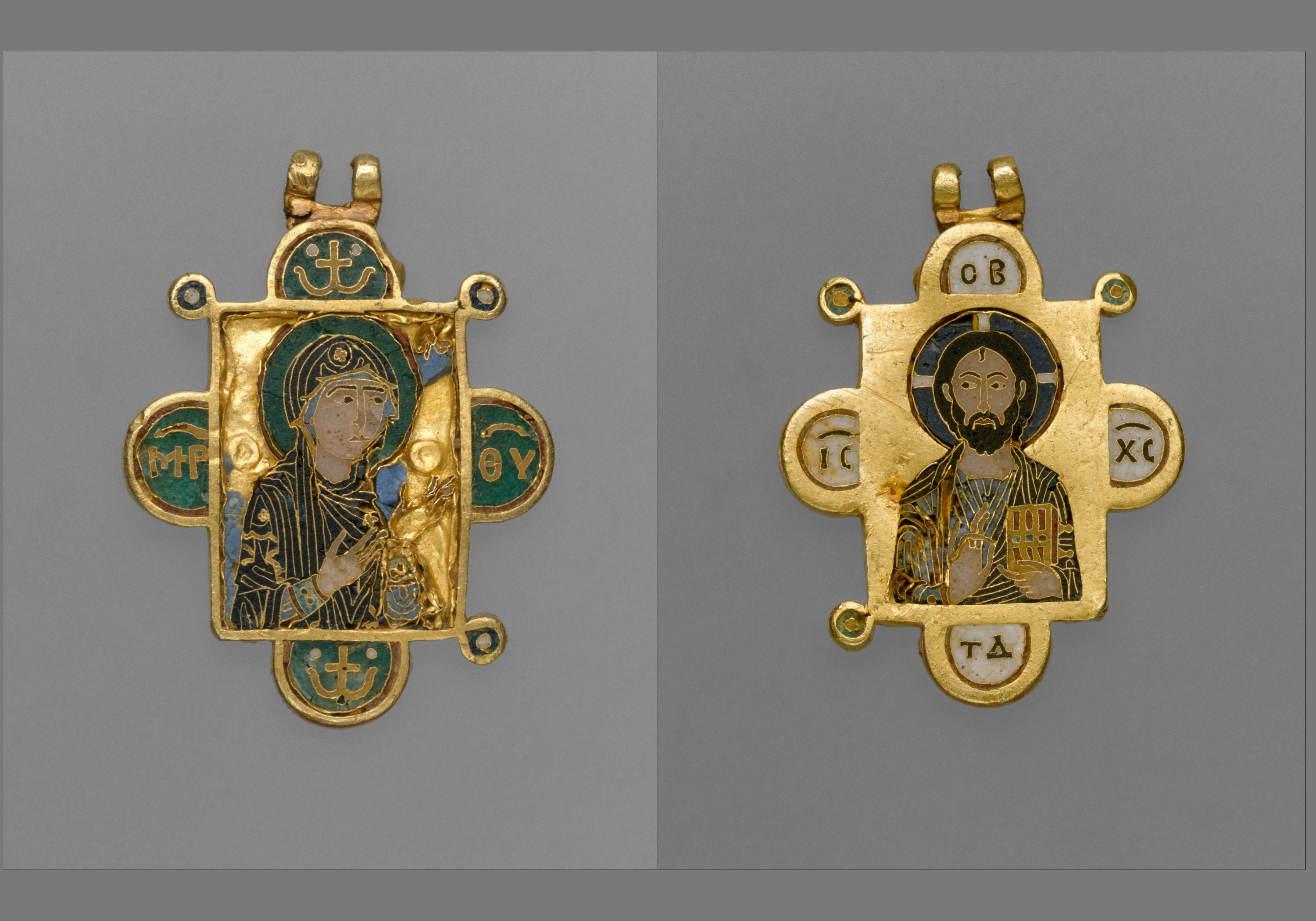
Double-Sided Pendant Icon with the Virgin and Christ Pantokrator (1100)
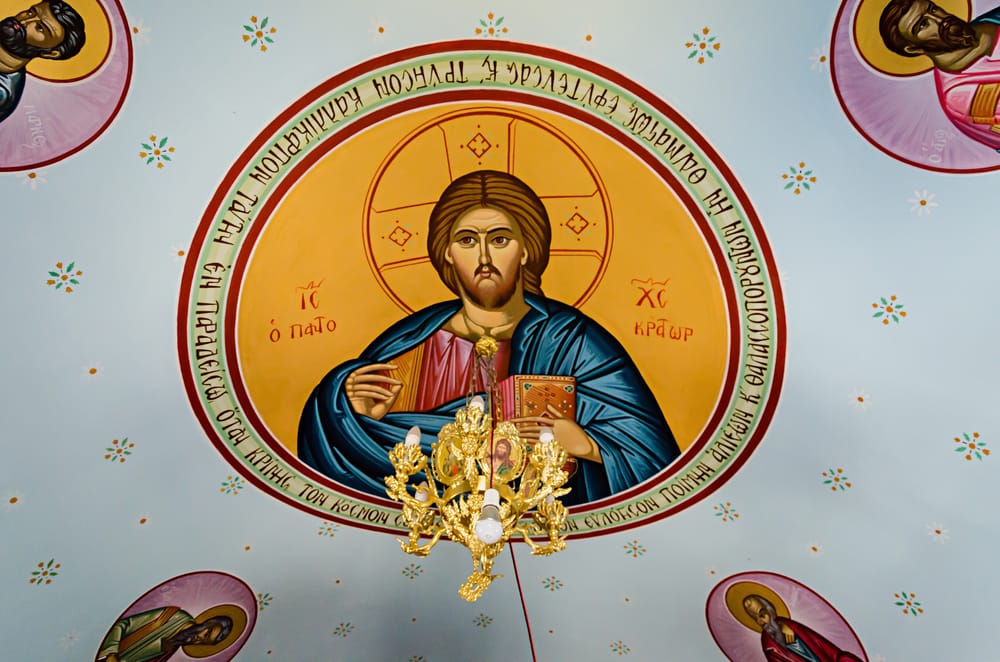
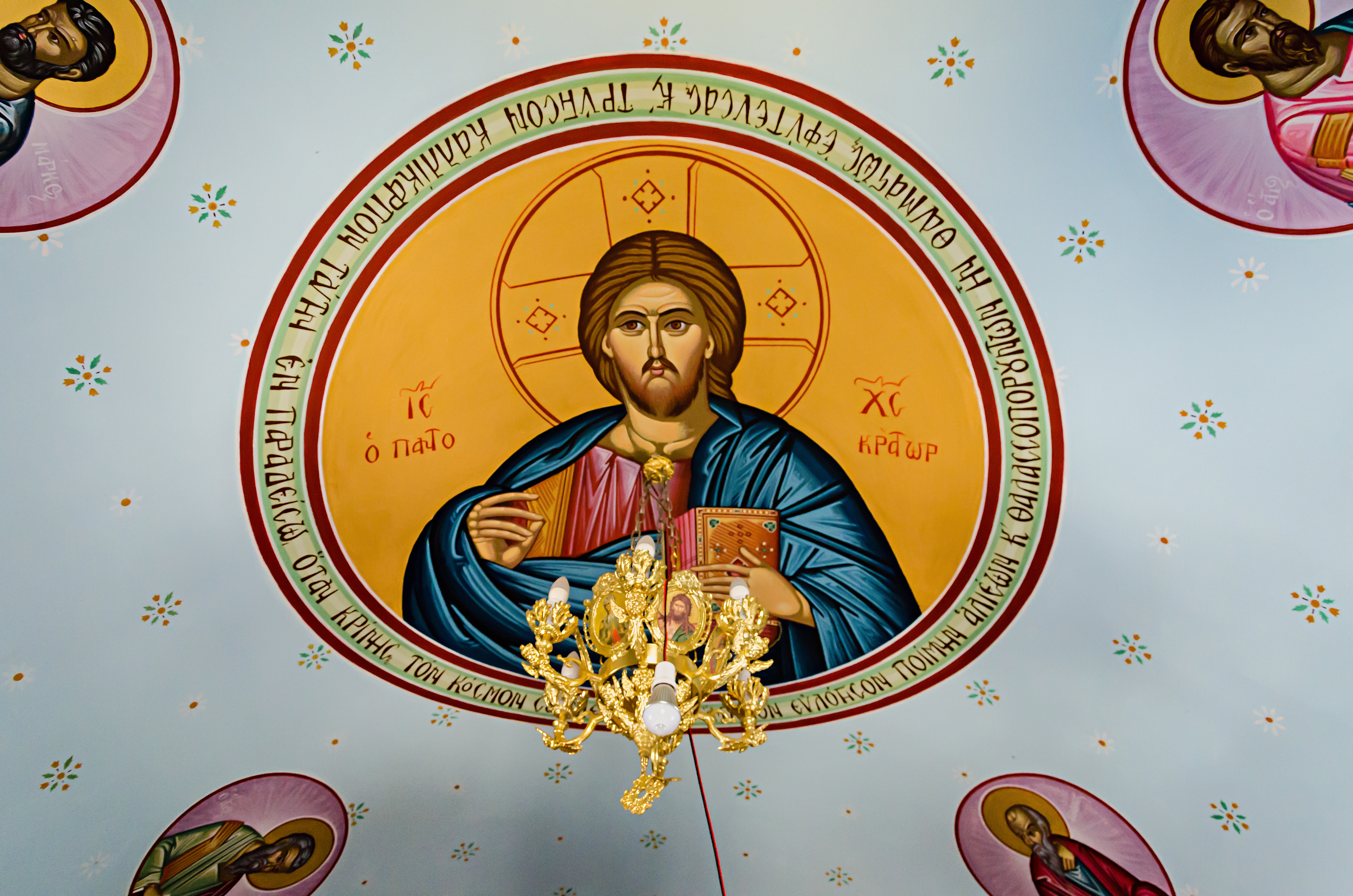
Christ Pantocrator and Four Evangelists Ceiling Icons (Rhodes, Greece)
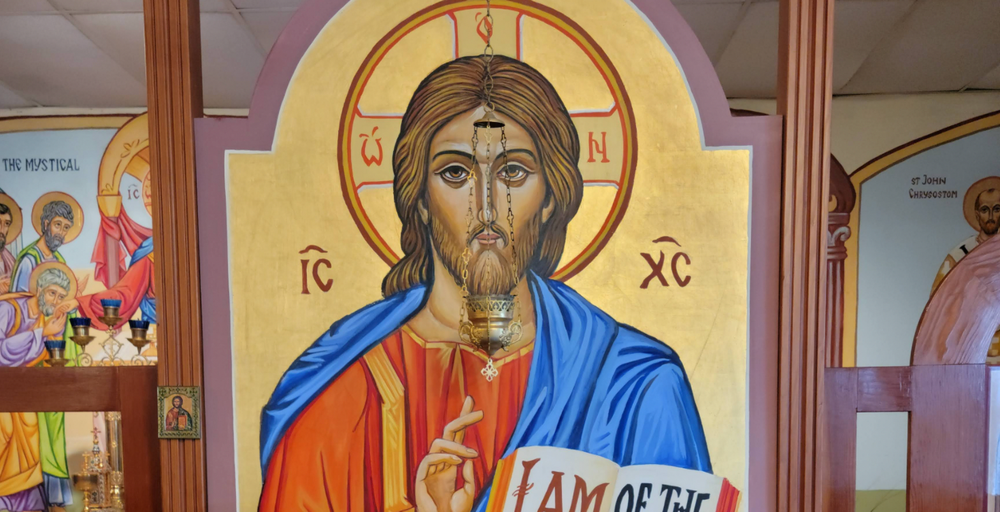
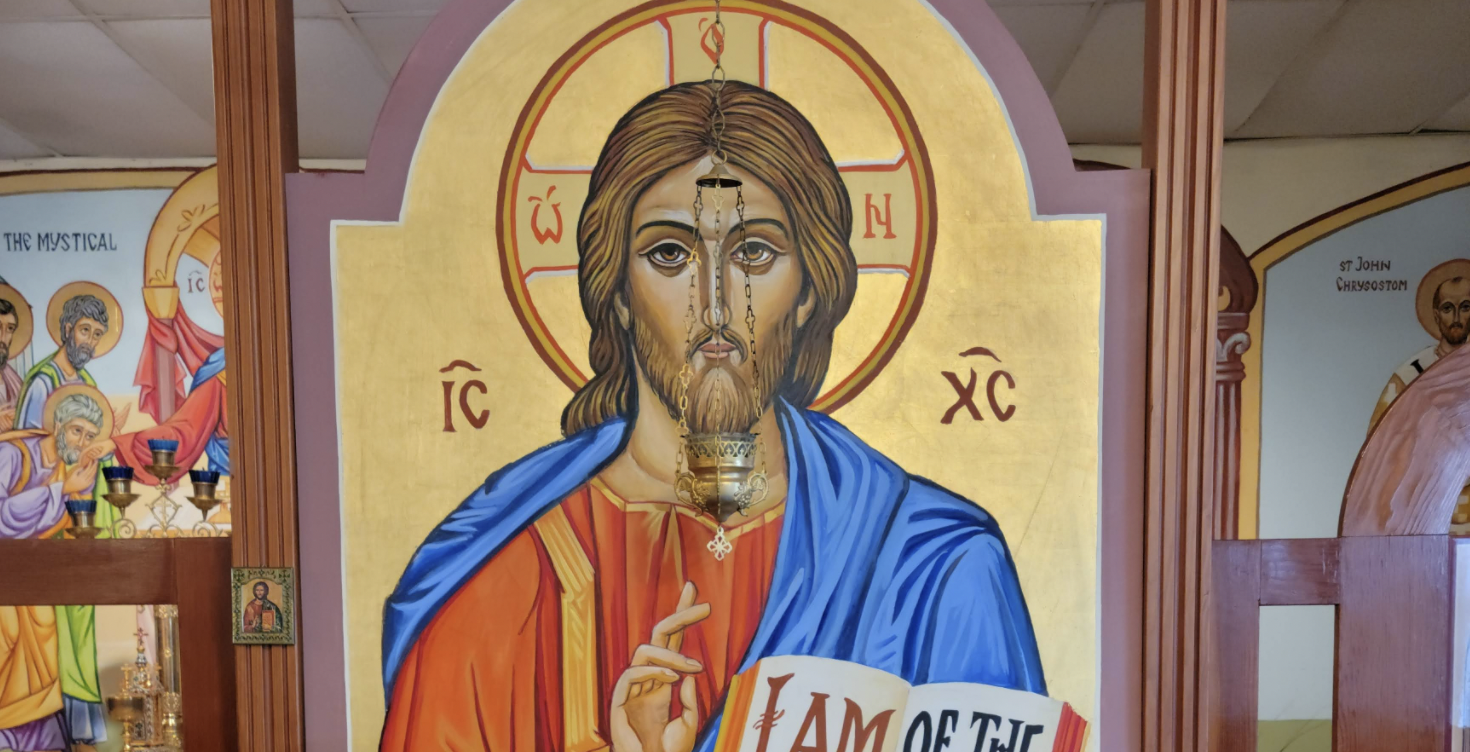
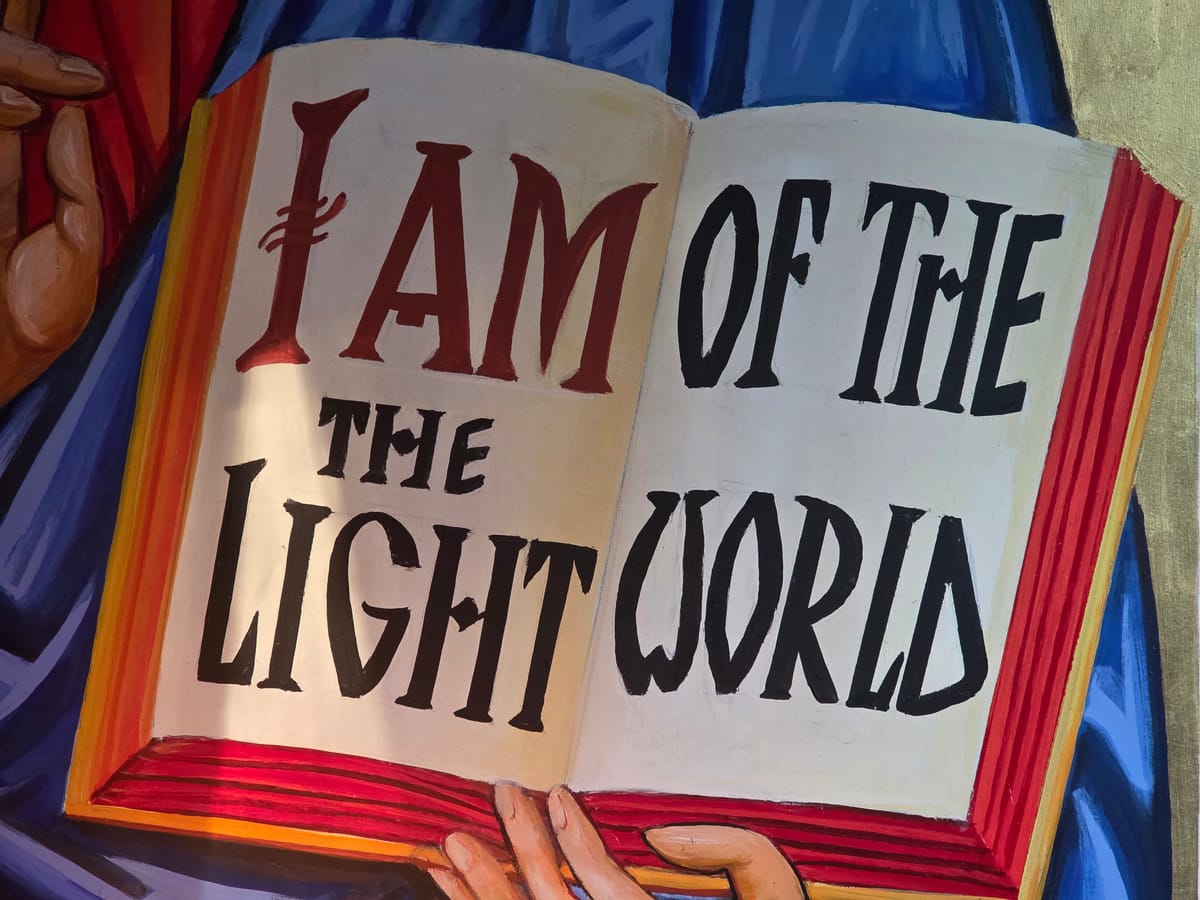
Christ Pantocrator Icon at Byzantine Church
Share this post